• Wyszukiwanie zaawansowane
  • Kategorie
  • Kategorie BISAC
  • Książki na zamówienie
  • Promocje
  • Granty
  • Książka na prezent
  • Opinie
  • Pomoc
  • Załóż konto
  • Zaloguj się

Parliament and Convention in the Personal Rule of James V of Scotland, 1528–1542 » książka


zaloguj się | załóż konto
Logo Krainaksiazek.pl

koszyk

konto

szukaj
topmenu
Księgarnia internetowa
Szukaj
Książki na zamówienie
Promocje
Granty
Książka na prezent
Moje konto
Pomoc
 
 
Wyszukiwanie zaawansowane
Pusty koszyk
Bezpłatna dostawa dla zamówień powyżej 20 złBezpłatna dostawa dla zamówień powyżej 20 zł

Kategorie główne

• Nauka
 [2946912]
• Literatura piękna
 [1852311]

  więcej...
• Turystyka
 [71421]
• Informatyka
 [150889]
• Komiksy
 [35717]
• Encyklopedie
 [23177]
• Dziecięca
 [617324]
• Hobby
 [138808]
• AudioBooki
 [1671]
• Literatura faktu
 [228371]
• Muzyka CD
 [400]
• Słowniki
 [2841]
• Inne
 [445428]
• Kalendarze
 [1545]
• Podręczniki
 [166819]
• Poradniki
 [480180]
• Religia
 [510412]
• Czasopisma
 [525]
• Sport
 [61271]
• Sztuka
 [242929]
• CD, DVD, Video
 [3371]
• Technologie
 [219258]
• Zdrowie
 [100961]
• Książkowe Klimaty
 [124]
• Zabawki
 [2341]
• Puzzle, gry
 [3766]
• Literatura w języku ukraińskim
 [255]
• Art. papiernicze i szkolne
 [7810]
Kategorie szczegółowe BISAC

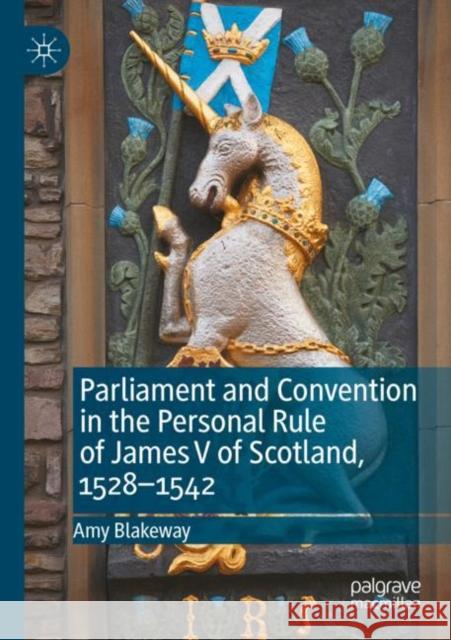
Parliament and Convention in the Personal Rule of James V of Scotland, 1528–1542

ISBN-13: 9783030893798 / Angielski / Miękka / 2023 / 361 str.
Amy Blakeway
Parliament and Convention in the Personal Rule of James V of Scotland, 1528–1542 Amy Blakeway 9783030893798 Palgrave MacMillan - książkaWidoczna okładka, to zdjęcie poglądowe, a rzeczywista szata graficzna może różnić się od prezentowanej.

Parliament and Convention in the Personal Rule of James V of Scotland, 1528–1542

ISBN-13: 9783030893798 / Angielski / Miękka / 2023 / 361 str.

Amy Blakeway
cena 483,04
(netto: 460,04 VAT:  5%)

Najniższa cena z 30 dni: 462,63
Termin realizacji zamówienia:
ok. 22 dni roboczych
Bez gwarancji dostawy przed świętami

Darmowa dostawa!
inne wydania

This book, based on a fresh understanding of Scottish governmental records rooted in extensive archival research, offers the first study of these important institutions in a period of revived royal authority. The regime which emerges from these records is one which understood the power of consultation, adroitly using a range of groups from full parliaments to conventions of specialists and experts selected to deal with the matter in hand. Policies were crafted through not one single meeting but several types of gathering, ranging from small groups when secrecy was of the essence or complex details required to be hammered out, to elaborate large gatherings when the regime employed a performative strategy to disseminate information or legitimise its policies. Still more impressively, much of this was managed in the King’s absence – James remained at a distance from many of these gatherings, relying on key officials such as the Chancellor or Clerk Register to relay counsel and the royal will. This emphasis on specialised, frequent consultation reflects concurrent developments in the council, whilst relocating debate surrounding the development of state and administrative structures in Scotland traditionally located in the late sixteenth-century into the 1530s. In tackling the development of parliament in Scotland and placing it in its proper context amongst many different forms of consultative meeting this book also speaks to subjects of European-wide concern: how far early modern Parliaments were used to impose or resist religious change, the pace of state formation, monarchical power and relations between monarchs and their subjects.


This book, based on a fresh understanding of Scottish governmental records rooted in extensive archival research, offers the first study of these important institutions in a period of revived royal authority. The regime which emerges from these records is one which understood the power of consultation, adroitly using a range of groups from full parliaments to conventions of specialists and experts selected to deal with the matter in hand. Policies were crafted through not one single meeting but several types of gathering, ranging from small groups when secrecy was of the essence or complex details required to be hammered out, to elaborate large gatherings when the regime employed a performative strategy to disseminate information or legitimise its policies. Still more impressively, much of this was managed in the King’s absence – James remained at a distance from many of these gatherings, relying on key officials such as the Chancellor or Clerk Register to relay counsel and the royal will. This emphasis on specialised, frequent consultation reflects concurrent developments in the council, whilst relocating debate surrounding the development of state and administrative structures in Scotland traditionally located in the late sixteenth-century into the 1530s. In tackling the development of parliament in Scotland and placing it in its proper context amongst many different forms of consultative meeting this book also speaks to subjects of European-wide concern: how far early modern Parliaments were used to impose or resist religious change, the pace of state formation, monarchical power and relations between monarchs and their subjects.

Kategorie:
Nauka, Historia
Kategorie BISAC:
History > Europe - Medieval
Political Science > History & Theory - General
Law > Legal History
Wydawca:
Palgrave MacMillan
Język:
Angielski
ISBN-13:
9783030893798
Rok wydania:
2023
Wydanie:
2022
Ilość stron:
361
Oprawa:
Miękka
Wolumenów:
01
Dodatkowe informacje:
Wydanie ilustrowane

Chapter 1: Introduction

Chapter 2: Council and Conventions

Chapter 3: Conventions of the Lords, War and Wedlock: Public or Private Consultation?

Chapter 4: Consultation and Access for the Third Estate

Chapter 5: Taxation and Finance

Chapter 6: Legislation, Treason and Parliament

Chapter 7: Conclusion

Amy Blakeway is Lecturer in Scottish History at the University of St Andrews, UK.  She is the author of Regency in Sixteenth-Century Scotland (2015) and has published articles in the English Historical Review, History, the Historical Journal, and the Economic History Review.


This book, based on a fresh understanding of Scottish governmental records rooted in extensive archival research, offers the first study of these important institutions in a period of revived royal authority. The regime which emerges from these records is one which understood the power of consultation, adroitly using a range of groups from full parliaments to conventions of specialists and experts selected to deal with the matter in hand. Policies were crafted through not one single meeting but several types of gathering, ranging from small groups when secrecy was of the essence or complex details required to be hammered out, to elaborate large gatherings when the regime employed a performative strategy to disseminate information or legitimise its policies. Still more impressively, much of this was managed in the King’s absence – James remained at a distance from many of these gatherings, relying on key officials such as the Chancellor or Clerk Register to relay counsel and the royal will. This emphasis on specialised, frequent consultation reflects concurrent developments in the council, whilst relocating debate surrounding the development of state and administrative structures in Scotland traditionally located in the late sixteenth-century into the 1530s. In tackling the development of parliament in Scotland and placing it in its proper context amongst many different forms of consultative meeting this book also speaks to subjects of European-wide concern: how far early modern Parliaments were used to impose or resist religious change, the pace of state formation, monarchical power and relations between monarchs and their subjects.

Amy Blakeway is Lecturer in Scottish History at the University of St Andrews, UK.  She is the author of Regency in Sixteenth-Century Scotland (2015) and has published articles in the English Historical Review, History, the Historical Journal, and the Economic History Review.


Udostępnij

Facebook - konto krainaksiazek.pl


Opinie o Krainaksiazek.pl na Opineo.pl

Partner Mybenefit

Krainaksiazek.pl w programie rzetelna firma Krainaksiaze.pl - płatności przez paypal

Czytaj nas na:

Facebook - krainaksiazek.pl
  • książki na zamówienie
  • granty
  • książka na prezent
  • kontakt
  • pomoc
  • opinie
  • regulamin
  • polityka prywatności

Zobacz:

  • Księgarnia czeska

  • Wydawnictwo Książkowe Klimaty

1997-2025 DolnySlask.com Agencja Internetowa

© 1997-2022 krainaksiazek.pl
     
KONTAKT | REGULAMIN | POLITYKA PRYWATNOŚCI | USTAWIENIA PRYWATNOŚCI
Zobacz: Księgarnia Czeska | Wydawnictwo Książkowe Klimaty | Mapa strony | Lista autorów
KrainaKsiazek.PL - Księgarnia Internetowa

Polityka prywatnosci - link
Krainaksiazek.pl - płatnośc Przelewy24
Przechowalnia Przechowalnia




