• Wyszukiwanie zaawansowane
  • Kategorie
  • Kategorie BISAC
  • Książki na zamówienie
  • Promocje
  • Granty
  • Książka na prezent
  • Opinie
  • Pomoc
  • Załóż konto
  • Zaloguj się

Oxidative Injury in Dermatopathology » książka


zaloguj się | załóż konto
Logo Krainaksiazek.pl

koszyk

konto

szukaj
topmenu
Księgarnia internetowa
Szukaj
Książki na zamówienie
Promocje
Granty
Książka na prezent
Moje konto
Pomoc
 
 
Wyszukiwanie zaawansowane
Pusty koszyk
Bezpłatna dostawa dla zamówień powyżej 20 złBezpłatna dostawa dla zamówień powyżej 20 zł

Kategorie główne

• Nauka
 [2949965]
• Literatura piękna
 [1857847]

  więcej...
• Turystyka
 [70818]
• Informatyka
 [151303]
• Komiksy
 [35733]
• Encyklopedie
 [23180]
• Dziecięca
 [617748]
• Hobby
 [139972]
• AudioBooki
 [1650]
• Literatura faktu
 [228361]
• Muzyka CD
 [398]
• Słowniki
 [2862]
• Inne
 [444732]
• Kalendarze
 [1620]
• Podręczniki
 [167233]
• Poradniki
 [482388]
• Religia
 [509867]
• Czasopisma
 [533]
• Sport
 [61361]
• Sztuka
 [243125]
• CD, DVD, Video
 [3451]
• Technologie
 [219309]
• Zdrowie
 [101347]
• Książkowe Klimaty
 [123]
• Zabawki
 [2362]
• Puzzle, gry
 [3791]
• Literatura w języku ukraińskim
 [253]
• Art. papiernicze i szkolne
 [7933]
Kategorie szczegółowe BISAC

Oxidative Injury in Dermatopathology

ISBN-13: 9783642768255 / Angielski / Miękka / 2011 / 360 str.
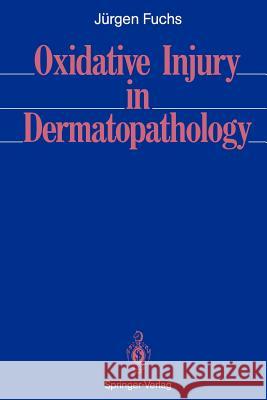
J. Rgen Fuchs
Oxidative Injury in Dermatopathology J. Rgen Fuchs 9783642768255 Springer - książkaWidoczna okładka, to zdjęcie poglądowe, a rzeczywista szata graficzna może różnić się od prezentowanej.

Oxidative Injury in Dermatopathology

ISBN-13: 9783642768255 / Angielski / Miękka / 2011 / 360 str.

J. Rgen Fuchs
cena 403,47 zł
(netto: 384,26 VAT:  5%)

Najniższa cena z 30 dni: 385,52 zł
Termin realizacji zamówienia:
ok. 22 dni roboczych
Bez gwarancji dostawy przed świętami

Darmowa dostawa!

Dermatology is a complex and puzzling world of itching bumps, pim ples, and rashes. The multitude of clinically distinct skin diseases, their frequently unresolved pathogenesis, and the exponentially in creasing amount of scientific information add to the confusion about skin diseases. The great prevalence of skin diseases makes them an urgent priority for intensive research effort, and although many scientists and academic clinicians are vigorously trying to uncover we are only at the very brink of understanding the etiol their secrets, ogy of most dermatoses. The principle mechanisms of general organ pathology (physical, chemical, microbial, ischemic, degenerative, and neoplastic disturb ances) are believed to be relatively well understood. In contrast to skin pathomorphology, however little is known regarding the bio chemistry and physiology of dermatoses. The difficulty in under standing skin diseases may be overcome partially by finding biome dical simplifications, and the concept of "oxidative injury in dermatopathology" is just such a simplification. It should, of course, always be kept in mind that no single mechanism alone can explain the pathogenesis of a disease and that there may be a danger of over looking other important biological determinants."


Kategorie:
Nauka, Medycyna
Kategorie BISAC:
Medical > Dermatologia
Medical > Farmakologia
Wydawca:
Springer
Język:
Angielski
ISBN-13:
9783642768255
Rok wydania:
2011
Wydanie:
Softcover Repri
Ilość stron:
360
Waga:
0.57 kg
Wymiary:
23.5 x 15.5
Oprawa:
Miękka
Wolumenów:
01

1 History of a Concept.- 2 The Skin and Oxidative Stress.- A. Introduction.- I. Skin and Environmental Stress.- II. Oxidative Stress.- III. Skin as a Target Organ of Oxidative Injury.- B. Biological Oxidants.- I. Superoxide Anion Radical.- II. Hydrogen Peroxide.- III. Hydroxyl Radical.- IV. Singlet Oxygen.- V. Transition Metals.- VI. Radical Chelates.- VII. Hydroperoxides and Lipid Radicals.- VIII. Thiyl Radicals.- C. Production Sites of Reactive Oxidants in Skin.- I. Plasma Membrane.- II. Mitochondria.- III. Microsomes.- IV. Peroxisomes.- V. Cytosol.- D. Targets of Reactive Oxidants in Skin.- I. Lipids.- 1. Skin Lipid Composition.- 2. Lipid Peroxidation in Skin.- II. Proteins.- 1. Collagen.- 2. Proteases and Antiproteases.- 3. Amyloid.- 4. Amino Acid Racemization.- III. Carbohydrates.- IV. Nucleic Acids.- E. The Antioxidant System of the Skin.- I. Superoxide Dismutase.- II. Catalase.- III. Peroxidases.- IV. The Enzymic Glutathione System.- V. Thioredoxin Reductase System.- VI. Lipoamide System.- VII. NADPH Ubiquinone Reductase.- VIII. Nonenzymic Protein Antioxidants.- IX. Hydrophilic Antioxidants.- 1. Thiols.- 2. Ascorbate.- 3. Urate.- X. Lipophilic Antioxidants.- 1. Tocopherol.- 2. Vitamin A and Carotenoids.- 3. Ubiquinols/Ubiquinones.- 4. Bilirubin.- XI. Antioxidant Capacity of Skin.- 1. Regulation of the Skin Antioxidant Potential.- F. Biological Models for Studying Oxygen Toxicity.- I. Exercise Training.- II. Hyperbaric Oxygen Treatment.- 3 Reactive Oxidants and Antioxidants in Skin Pathophysiology.- A. Electromagnetic Radiation.- I. Ionizing Radiation.- 1. Formation of Reactive Species.- 2. Skin Damage.- 3. Ionizing Radiation and Lipid Peroxidation.- 4. Oxygen as a Radiation Sensitizer.- 5. Skin Radioprotection by Antioxidants.- II. Nonionizing Radiation.- 1. Formation of Reactive Oxidants by Ultraviolet Light.- 2. Ultraviolet-Light-Induced Skin Damage.- 3. Photoprotection by Antioxidants.- 4. Ultraviolet Light Effects on Skin Antioxidants.- 5. Infrared Radiation.- 6. Ultrasound.- III. Photosensitization.- 1. Endogenous Photosensitizers.- 2. Exogenous Photosensitizers.- IV. Photoaging.- V. Photocarcinogenesis.- 1. Photocarcinogenesis and Lipid Peroxidation.- 2. Photocarcinogenesis and Antioxidants.- VI. Photoimmunology.- VII. Skin Diseases with Abnormal Reactions to Light.- 1. Lupus Erythematosus.- 2. Diseases with Increased Cellular Susceptibility.- B. Mechanical and Thermal Skin Trauma.- I. Wound Healing.- II. Skin Burns.- C. Skin Ischemia.- I. Acute Skin Response to Ischemia.- II. Hematoma and Venous Ulcers.- III. Skin Ischemia after Burn/Frostbite.- D. Microbial Skin Diseases.- I. Autotoxicity.- E. Skin Aging.- I. Collagen.- II. Elastin.- III. Glycosaminoglycans.- IV. Lipid Peroxidation.- V. Fluorescent Pigments.- VI. Amyloid.- VII. Antioxidants.- F. Skin Immunology.- G. Skin Inflammation.- I. Phagocytes.- 1. Neutrophil Granulocytes.- 2. Eosinophil Granulocytes.- 3. Macrophages.- 4. Reactive Oxidants and Protease Inhibitors.- II. Immune Complexes and Endothelial Injury.- III. Clastogenic Products.- IV. Lipid Peroxidation Products.- V. Prostanoid Metabolism.- VI. Reactive Oxidants as Modulators of Inflammation.- H. Oxidative Injury in Skin Diseases.- I. Skin Diseases with Vasculitis.- 1. Neutrophilic Vasculitis.- 2. Lymphocytic Vasculitis.- II. Mesenchymal Autoimmune Disorders.- 1. Systemic Lupus Erythematosus.- 2. Progressive Systemic Sclerosis.- III. Skin Diseases with Tissue Neutrophilia.- 1. Psoriasis Vulgaris.- 2. Sweet’s Syndrome.- 3. Dermatitis Herpetiformis Duhring.- IV. Skin Diseases with Tissue Eosinophilia.- 1. Bullous Pemphigoid.- 2. Pemphigus Herpetiformis.- V. Skin Diseases with Tissue Lymphocytosis.- 1. Atopic Dermatitis.- VI. Skin Diseases with Deficiency in Nutritional Antioxidants.- 1. Kwashiorkor Dermatitis.- I. Skin Carcinogenesis.- I. Reactive Oxidants in Carcinogenesis.- II. Reactive Oxygen Species in Tumor Promotion.- III. Peroxides as Tumor Promotors.- IV. Phorbol Ester Type Tumor Promotors.- V. Modulation of Pro- and Antioxidant Skin Enzymes by Tumor Promotors.- VI. Antioxidants as Antipromotors and Antiinitiators.- VII. Endogenous Antioxidants in Skin Neoplasms.- 4 Dermatopharmacology.- A. Chemotherapy.- I. Tocopherol.- II. Superoxide Dismutase.- III. Retinoids.- IV. Carotenoids.- V. Anthralin.- VI. Organic Gold Compounds.- VII. Glucocorticosteroids and Nonsteroidal Antiphlogistic Drugs.- VIII. Tetracyclines.- IX. Metronidazole.- X. Colchicine.- XI. Dapsone.- XII. Clofazimine.- XIII. Thalidomide.- XIV. Iodide.- XV. Chloroquine.- XVI. Flavonoids.- XVII. Zinc.- XVIII. Benzoyl Peroxide.- XIX. Tetrachlorodecaoxide.- XX. Dimethylsulfoxide.- XXI. Hyperbaric Oxygen.- B. Photochemotherapy.- I. 8-Methoxypsoralen.- II. Hematoporphyrin.- III. Goeckermann Therapy.- IV. Ingram Therapy.- 5 Dermatotoxicology.- A. Irritant Contact Dermatitis and Skin Necrosis.- I. Lipid Peroxidation Products.- II. Anticancer Agents.- III. Charge Transfer Mechanism.- IV. Chemical Warfare Agents.- B. Allergic Contact Dermatitis.- C. Chemical-Induced Skin Sclerosis.- I. Paraquat-Induced Lung Fibrosis.- II. Skin Sclerosis.- III. Chemical-Induced Scleroderma.- 1. Quartz.- 2. Bleomycin.- 3. Vitamin K1.- 4. Toxic Oil Syndrome.- 5. Biogenic Amines.- 6. Halogenated Aliphatic Hydrocarbons.- D. Chemical Leukoderma.- E. Chemical-Induced Comedogenesis.- Synopsis.- References.


Udostępnij

Facebook - konto krainaksiazek.pl


Opinie o Krainaksiazek.pl na Opineo.pl

Partner Mybenefit

Krainaksiazek.pl w programie rzetelna firma Krainaksiaze.pl - płatności przez paypal

Czytaj nas na:

Facebook - krainaksiazek.pl
  • książki na zamówienie
  • granty
  • książka na prezent
  • kontakt
  • pomoc
  • opinie
  • regulamin
  • polityka prywatności

Zobacz:

  • Księgarnia czeska

  • Wydawnictwo Książkowe Klimaty

1997-2025 DolnySlask.com Agencja Internetowa

© 1997-2022 krainaksiazek.pl
     
KONTAKT | REGULAMIN | POLITYKA PRYWATNOŚCI | USTAWIENIA PRYWATNOŚCI
Zobacz: Księgarnia Czeska | Wydawnictwo Książkowe Klimaty | Mapa strony | Lista autorów
KrainaKsiazek.PL - Księgarnia Internetowa

Polityka prywatnosci - link
Krainaksiazek.pl - płatnośc Przelewy24
Przechowalnia Przechowalnia





