OWNERSHIP AND OWNERSHIP MODES » książka





OWNERSHIP AND OWNERSHIP MODES
ISBN-13: 9786209547430 / Angielski / Miękka / 2026 / 260 str.
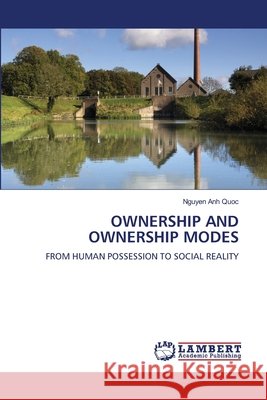
The book approaches possession not as a purely human and material relationship, but as an existential problem directly linked to the body, time, labor, memory, and the ability to master life. The history of property regimes, from slave ownership, feudal subordination, free form of wage labor, to data ownership in the technological age, reads as a history of the different ways in which people possessed each other. At each stage, the central question is not who owns what, but who has the right to decide whose body, rhythm of life, and future. The book shows that possession does not disappear, but transforms into sophisticated forms: asymmetric contracts, productivity norms, ranking algorithms, and data control. From there, the author proposes a realistic social perspective in which self-ownership is placed as the foundation, the ownership of others is limited, collective ownership is organized to protect living conditions, and all forms of ownership are associated with intersubjective and intergenerational responsibility. The book does not offer a ready-made formula but opens up a space for dialogue to rethink how humans can live differently in the age of data and AI.




Czytaj nas na:
KrainaKsiazek.PL - Księgarnia Internetowa


