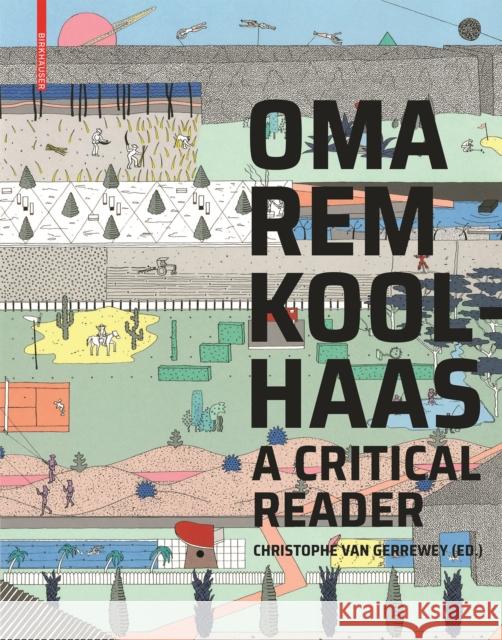
The anthology shows that the critiques are sometimes more interesting to read than the texts written by Rem Koolhaas himself. For example, in "The Generic City" section of S,M,L,XL, the architect decries the idea that all cities look like airports. The anthology shows how critics responded to that assertion. Above all, the book shows that criticism between 1975 and 1995 was more tangible than it is today. Appearing on the cover of a magazine was a real accolade, and that's why I included some of those covers in the first few pages of the book. I also wanted to remind readers that the opinion of intellectuals does count for something and does contribute positively to the debate in our society, at a time when Twitter sometimes seems to dominate the debate. One of architecture's merits is that it prompts people to think about and take a moral stance on how society is developing. In that sense, Rem Koolhaas's radical approach gave intellectuals constant food for thought, whether they were for him or against him.