• Wyszukiwanie zaawansowane
  • Kategorie
  • Kategorie BISAC
  • Książki na zamówienie
  • Promocje
  • Granty
  • Książka na prezent
  • Opinie
  • Pomoc
  • Załóż konto
  • Zaloguj się

Neglected Plant Foods Of South Asia » książka

zaloguj się | załóż konto
Logo Krainaksiazek.pl

koszyk

konto

szukaj
topmenu
Księgarnia internetowa
Szukaj
Książki na zamówienie
Promocje
Granty
Książka na prezent
Moje konto
Pomoc
 
 
Wyszukiwanie zaawansowane
Pusty koszyk
Bezpłatna dostawa dla zamówień powyżej 20 złBezpłatna dostawa dla zamówień powyżej 20 zł

Kategorie główne

• Nauka
 [2939893]
• Literatura piękna
 [1808953]

  więcej...
• Turystyka
 [70366]
• Informatyka
 [150555]
• Komiksy
 [35137]
• Encyklopedie
 [23160]
• Dziecięca
 [608786]
• Hobby
 [136447]
• AudioBooki
 [1631]
• Literatura faktu
 [225099]
• Muzyka CD
 [360]
• Słowniki
 [2914]
• Inne
 [442115]
• Kalendarze
 [1068]
• Podręczniki
 [166599]
• Poradniki
 [468390]
• Religia
 [506548]
• Czasopisma
 [506]
• Sport
 [61109]
• Sztuka
 [241608]
• CD, DVD, Video
 [3308]
• Technologie
 [218981]
• Zdrowie
 [98614]
• Książkowe Klimaty
 [124]
• Zabawki
 [2174]
• Puzzle, gry
 [3275]
• Literatura w języku ukraińskim
 [260]
• Art. papiernicze i szkolne
 [7376]
Kategorie szczegółowe BISAC

Neglected Plant Foods Of South Asia

ISBN-13: 9783031370762 / Angielski / Twarda / 2023
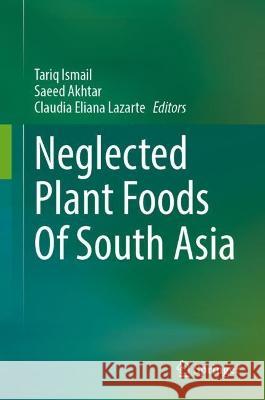
Neglected Plant Foods Of South Asia  9783031370762 Springer International Publishing - książkaWidoczna okładka, to zdjęcie poglądowe, a rzeczywista szata graficzna może różnić się od prezentowanej.

Neglected Plant Foods Of South Asia

ISBN-13: 9783031370762 / Angielski / Twarda / 2023

cena 805,10
(netto: 766,76 VAT:  5%)

Najniższa cena z 30 dni: 771,08
Termin realizacji zamówienia:
ok. 22 dni roboczych.

Darmowa dostawa!

According to the global hunger index, South Asia has worldwide highest rate of undernourished people. Such a burden of food insecurity and various forms of malnutrition are directly associated with the existing food production system that ignores biodiversity, food affordability, and sustainability. During the last five decades, food production system has witnessed a global shift from ethnic to mainstream staple cereals production and promotion. Such an approach has badly affected the regional genetic pool of a diverse range of nourishing, economical, and sustainable edible plant species which are now referred to as neglected or underutilized food crops.  

Neglected Plant Foods of South Asia collects and preserves existing knowledge of underutilized, minor, wild, neglected and traditional food plants of South Asia, and their utilization for the production of value-added food products. Aiming at introducing plant – based food solutions to address the increasing burden of food insecurity among marginalized communities of South Asia, this manuscript covers a plethora of nutrient-dense plant species including fruits, vegetables, roots, tubers, cereals, pseudo-cereals, and pulses. In addition to having an overview of each plant's origin, cultivation practices and production statistics, researchers will find comprehensive information on nutritional composition, food manufacturing properties, value-addition and traditional uses of neglected plant foods. Recent updates on strategies to combat toxicological risks associated with the consumption of neglected food plants have also been included. With this volume, researchers will have complete information on neglected, underutilized traditional edible plants of South Asia, and their potential to increase food security under the emerging challenges of climate change. 

Kategorie:
Technologie
Kategorie BISAC:
Technology & Engineering > Food Science - Chemistry & Biotechnology
Technology & Engineering > Food Science - Food Safety & Security
Science > Mikrobiologia
Wydawca:
Springer International Publishing
Język:
Angielski
ISBN-13:
9783031370762
Rok wydania:
2023
Waga:
0.90 kg
Wymiary:
23.5 x 15.5
Oprawa:
Twarda
Dodatkowe informacje:
Wydanie ilustrowane

Chapter 1:        Agricultural biodiversity and food security: Opportunities and challenges


Chapter 2:        Role of neglected plant foods in achieving dietary diversity and zero hunger


Chapter 3:        Inclusion criteria of underutilized food plants in household food security planning


Chapter 4:        Underutilized Plant Foods of India

4.1. Abstract

4.2. Introduction

4.3. Neglected food plants of India

4.3.1. Cereals and pseudo cereals

4.3.2. Roots and tubers

4.3.3. Pulses and nuts

4.3.4. Horticultural produce

4.3.5. Others

4.4. Traditional uses of neglected food plants

4.5. Industrial valorization of neglected food plants

4.6. Nutritional significance and opportunities

4.7. National policies toward preserving biodiversity and promoting neglected food plants production

4.8. Toxicological challenges and possible solutions

4.9. Conclusion


Chapter 5:        Underutilized Plant Foods of Pakistan

5.1. Abstract

5.2. Introduction

5.3. Neglected food plants of Pakistan

5.3.1. Cereals and pseudo cereals

5.3.2. Roots and tubers

5.3.3. Pulses and nuts

5.3.4. Horticultural produce

5.3.5. Others

5.4. Traditional uses of neglected food plants

5.5. Industrial valorization of neglected food plants

5.6. Nutritional significance and opportunities

5.7. National policies toward preserving biodiversity and promoting neglected food plants production

5.8. Toxicological challenges and possible solutions

5.9. Conclusion


Chapter 6:        Underutilized Plant Foods of Bangladesh

6.1. Abstract

6.2. Introduction

6.3. Neglected food plants of Bangladesh

6.3.1. Cereals and pseudo cereals

6.3.2. Roots and tubers

6.3.3. Pulses and nuts

6.3.4. Horticultural produce

6.3.5. Others

6.4. Traditional uses of neglected food plants

6.5. Industrial valorization of neglected food plants

6.6. Nutritional significance and opportunities

6.7. National policies toward preserving biodiversity and promoting neglected food plants production

6.8. Toxicological challenges and possible solutions

6.9. Conclusion


Chapter 7: Underutilized Plant Foods of Sri Lanka

7.1. Abstract

7.2. Introduction

7.3. Neglected food plants of Sri Lanka

7.3.1. Cereals and pseudo cereals

7.3.2. Roots and tubers

7.3.3. Pulses and nuts

7.3.4. Horticultural produce

7.3.5. Others

7.4. Traditional uses of neglected food plants

7.5. Industrial valorization of neglected food plants

7.6. Nutritional significance and opportunities

7.7. National policies toward preserving biodiversity and promoting neglected food plants production

7.8. Toxicological challenges and possible solutions

7.9. Conclusion


Chapter 8:        Underutilized Plant Foods of Nepal

8.1. Abstract

8.2. Introduction

8.3. Neglected food plants of Nepal

8.3.1. Cereals and pseudo cereals

8.3.2. Roots and tubers

8.3.3. Pulses and nuts

8.3.4. Horticultural produce

8.3.5. Others

8.4. Traditional uses of neglected food plants

8.5. Industrial valorization of neglected food plants

8.6. Nutritional significance and opportunities

8.7. National policies toward preserving biodiversity and promoting neglected food plants production

8.8. Toxicological challenges and possible solutions

8.9. Conclusion


Chapter 9:        Grain millet: Potential to fill nutrition gaps in the context of food security and climate change


Chapter 10:      Amaranth (Amaranthus spp.): Food properties and potential health benefits


Chapter 11:      Moringa (Moringa oleifera):  Multi-functional role in management of malnutrition and health promotion 


Chapter 12:      Date palm (Phoenix dactylifera): Neglected fruit of the future


Chapter 13:      Quinoa (Chenopodium quinoa): Potential of the “golden grain” for food and nutritional security in South Asia


Chapter 14:      Sweet potato (Ipomoea batatats): An intervention food in management of food and nutritional security in South Asia


Chapter 15:      Yam (Dioscorea spp.): An overview of food potential and industrial applications


Chapter 16:      Taro (Colocasia spp.): Applications in food production and improving nutrition in South Asia


Chapter 17:      Jackfruit (Artocarpus heterophyllus): An overview of nutritional and functional food properties


Chapter 18:      Pumpkin (Cucurbita spp.): An overview of crop potential to mitigate food and nutrition security in South Asia


Chapter 19:      Fenugreek (Trigonella foenum-graecum): An overview of food uses and health benefits


Dr. Tariq Ismail is Associate Professor at Department of Food Science & Technology, Bahauddin Zakariya University, Multan, Pakistan 

Prof. Dr. Saeed Akhtar, Founding Dean of the Faculty of Food Science & Nutrition is one amongst the eminent Scientists of Pakistan in the field of Food Sciences & Nutrition 

Dr. Claudia Eliana Lazarte is Associate Senior Lecturer at Department of Food Technology, Engineering and Nutrition, Lund University, Sweden


According to the global hunger index, South Asia has worldwide highest rate of undernourished people. Such a burden of food insecurity and various forms of malnutrition are directly associated with the existing food production system that ignores biodiversity, food affordability, and sustainability. During the last five decades, food production system has witnessed a global shift from ethnic to mainstream staple cereals production and promotion. Such an approach has badly affected the regional genetic pool of a diverse range of nourishing, economical, and sustainable edible plant species which are now referred to as neglected or underutilized food crops.


Neglected Plant Foods of South Asia collects and preserves existing knowledge of underutilized, minor, wild, neglected and traditional food plants of South Asia, and their utilization for the production of value-added food products. Aiming at introducing plant – based food solutions to address the increasing burden of food insecurity among marginalized communities of South Asia, this manuscript covers a plethora of nutrient-dense plant species including fruits, vegetables, roots, tubers, cereals, pseudo-cereals, and pulses. In addition to having an overview of each plant's origin, cultivation practices and production statistics, researchers will find comprehensive information on nutritional composition, food manufacturing properties, value-addition and traditional uses of neglected plant foods. Recent updates on strategies to combat toxicological risks associated with the consumption of neglected food plants have also been included. With this volume, researchers will have complete information on neglected, underutilized traditional edible plants of South Asia, and their potential to increase food security under the emerging challenges of climate change.




Udostępnij

Facebook - konto krainaksiazek.pl


Opinie o Krainaksiazek.pl na Opineo.pl

Partner Mybenefit

Krainaksiazek.pl w programie rzetelna firma Krainaksiaze.pl - płatności przez paypal

Czytaj nas na:

Facebook - krainaksiazek.pl
  • książki na zamówienie
  • granty
  • książka na prezent
  • kontakt
  • pomoc
  • opinie
  • regulamin
  • polityka prywatności

Zobacz:

  • Księgarnia czeska

  • Wydawnictwo Książkowe Klimaty

1997-2026 DolnySlask.com Agencja Internetowa

© 1997-2022 krainaksiazek.pl
     
KONTAKT | REGULAMIN | POLITYKA PRYWATNOŚCI | USTAWIENIA PRYWATNOŚCI
Zobacz: Księgarnia Czeska | Wydawnictwo Książkowe Klimaty | Mapa strony | Lista autorów
KrainaKsiazek.PL - Księgarnia Internetowa

Polityka prywatnosci - link
Krainaksiazek.pl - płatnośc Przelewy24
Przechowalnia Przechowalnia





