Mycoremediation: Fungal Bioremediation » książka





Mycoremediation: Fungal Bioremediation
ISBN-13: 9780471755012 / Angielski / Twarda / 2006 / 616 str.
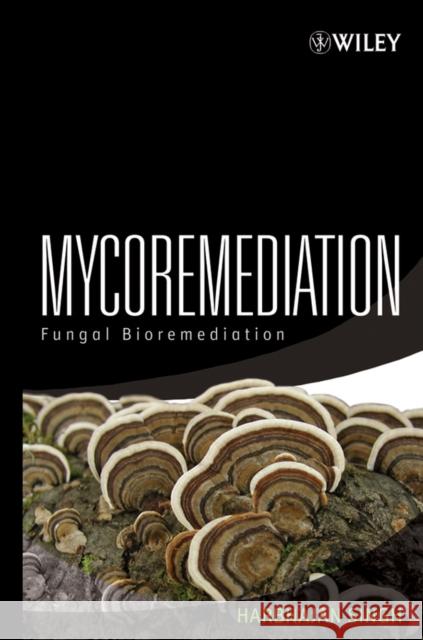
Mycoremediation: Fungal Bioremediation
ISBN-13: 9780471755012 / Angielski / Twarda / 2006 / 616 str.
(netto: 805,08 VAT: 5%)
Najniższa cena z 30 dni: 836,71
ok. 22 dni roboczych.
Darmowa dostawa!
The first encyclopedic examination of the application of fungi in bioremediation, this book gives an overview of the science today and covers all aspects of this multidisciplinary field. It provides a solid foundation in the fundamentals and progresses to practical applications. It features step-by-step guidance for a myriad of effective techniques to identify, select, and apply fungi towards the remediation of contaminated sites.
Wydanie ilustrowane
"Useful for students, newcomers to the field, and teachers." (
Mycological Research, July 2009)
"If you want to know about the latest in mycoengineering technologies, or what your mycoreactor should look like, this is the reference you′ve been looking for. Those interested in the theoretical underpinnings of mycoremediation, fungal metabolism or modeling approaches to fungal physiology will also learn much from this monumental work." (Inoculum, May 2008)
"The book is unique in its form, since it is the first encyclopedic examination of this topic ... .This book is recommended for scientists, engineers, regulatory experts and students working in the field of bioremediation and should be present in all libraries of universities and offices involved in waste management." (International Biodeterioration and Biodegradation, January 2008)
"A well written, extremely well referenced, comprehensive treatment of a formerly ... undeveloped topic." (Journal of Hazardous Materials, June 1, 2007)
"For the first time, readers have a single, cohesive presentation of the current state of the science that will serve as a springboard for future research and new innovations." (Journal of the American Water Resources Association, April 2007)
Preface.
1. Introduction.
1.1 Fungal Biodegradation and Biodeterioration.
1.2 How a Fungus Escapes Water to Grow in Air?
1.3 Fungal Morphology, Analysis and Growth Measurement.
1.4 Mass Transfer, Growth Kinetics, and Bioreactors.
1.5 Methods for Detection of Degradative Fungi.
1.6 Fungi as Environmental Indicators.
1.7 Fungal Attack on Coal.
1.8 Thermophilic, Alpine, and Lichen–Forming Fungi.
1.9 Mycoremediation: Fungal Bioremediation.
1.10 Ecology of Mycoremediation.
1.11 Genetic Engineering of Mycoremediation References.
2. Fungal Treatment of Industrial Wastewaters.
2.1 Introduction.
2.2 Alternative Industrial Wastewater Bioreactors.
2.3 Fungal Treatment of Industrial Wastewaters.
2.4 Biotechnology.
2.5 Conclusions and Future Perspectives References.
3. Fungal Treatment of Distillery and Brewery Wastes.
3.1 Introduction.
3.2 Composition and Characteristics of Stillage.
3.3 Alternative Industrial Stillage Treatment Reactors.
3.4 Fungal Treatment of Distillery and Brewery Wastes.
3.5 Fungal Fermentation and Decolorization.
3.6 Molasses Toxicity to Fungi.
3.7 Factors Affecting Fungal Fermentation and Decolorization.
3.8 Mechanisms of Melanoidin Degradation.
3.9 Fungal Bioreactors for Distillery and Brewery Wastes.
3.10 Modeling.
3.11 Economic Importance.
3.12 Biotechnology.
3.13 Conclusions and Future Perspectives References.
4. Fungal Metabolism of Petroleum Hydrocarbons.
4.1 Introduction.
4.2 Fate of Oil in the Environment.
4.3 Composition of Petroleum Hydrocarbons.
4.4 Methods of Analysis of Petroleum Hydrocarbons.
4.5 Alternative Treatment Technologies.
4.6 Hydrocarbon–Utilizing Yeasts and Fungi.
4.7 Fungal Methods for Assessment.
4.8 Hydrocarbon Metabolism by Yeasts and Fungi.
4.9 Taxonomic Relationship of Hydrocarbon–Utilizing Yeasts and Fungi.
4.10 Factors Affecting Metabolism of Petroleum Hydrocarbons.
4.11 Fungal Mechanisms of Metabolism of Petroleum Hydrocarbons.
4.12 Oxidation of Petroleum Hydrocarbons by Fungal Enzymes.
4.13 Cytochrome P450 Enzyme Systems.
4.14 Economic Importance.
4.15 Biotechnology and Bioengineering.
4.16 Conclusions and Future Perspectives References.
5. Fungal Degradation of Polychlorinated Biphenyls and Dioxins.
5.1 Introduction.
5.2 Nomenclature.
5.3 Bioaccumulation and Toxicity.
5.4 Alternative PCB Remediation Technologies.
5.5 Analysis of Polychlorinated Biphenyls.
5.6 Bioavailability of Polychlorinated Biphenyls.
5.7 Fungal Degradation of Polychlorinated Biphenyls.
5.8 Fungal Degradation of Dioxins.
5.9 Genetic Manipulation.
5.10 Conclusions and Future Perspectives References.
6. Fungal Degradation of Pesticides.
6.1 Introduction.
6.2 Classification.
6.3 Biosensors for Detection of Pesticides.
6.4 Fungal Degradation of Insecticides.
6.5 Fungal Degradation of Herbicides.
6.6 Fungal Degradation of Fungicides.
6.7 Biotransformation of Pesticides by Fungal Enzymes.
6.8 Genetic Manipulation.
6.9 Conclusions and Future Perspectives References.
7. Fungal Metabolism of Phenols, Chlorophenols and Pentachlorophenol.
7.1 Introduction.
7.2 Alternative Treatment Technologies.
7.3 Fungal Biosensors for Determination of Various Types of Phenols.
7.4 Methods of Analysis of Various Types of Phenols.
7.5 Fungal Bioreactors for Removal of Various Types of Phenols.
7.6 Fungal Metabolism of Phenols, Chlorophenols and Pentachlorophenol.
7.7 Factors Affecting Fungal Metabolism of Various Types of Phenols.
7.8 Physiological Alterations of Fungi by Phenols.
7.9 Taxonomic Relationship of Phenol–Utilizing Yeasts and Fungi.
7.10 Mechanisms of Metabolism, Metabolic Pathways, and Metabolites.
7.11 Degradation of Phenols by Fungal Enzymes.
7.12 Fungal Transformation of Pentachlorophenol in Soils.
7.13 Cytochrome P450 Systems in Degradation of Phenols.
7.14 Conclusions and Future Perspectives References.
8. Fungal Metabolism of Polycyclic Aromatic Hydrocarbons.
8.1 Introduction.
8.2 Occurrence of PAHs in the Environment.
8.3 Alternative PAH Metabolism.
8.4 Fungal Metabolism of PAHs.
8.5 Mutagenicity of Fungal Metabolites of PAHs.
8.6 Fungal Bioreactors for Removal of PAHs.
8.7 PAH Degradation by Fungal Enzymes.
8.8 Cytochrome P450 in Degradation of PAHs.
8.9 Fungal Degradation of PAHs in Soils.
8.10 Fungal Metabolism of Complex PAH Mixtures.
8.11 PAH Degradation by Fungal–Bacterial Co–cultures.
8.12 Biotechnology and Bioengineering.
8.13 Conclusions and Future Perspectives References.
9. Fungal Lignin Degradation and Decolorization of Pulp and Paper Mill Effluents.
9.1 Introduction.
9.2 Distribution and Structure of Lignin.
9.3 Lignin–Degrading Microorganisms.
9.4 Fungal Lignin–Degrading Enzymes.
9.5 Mechanisms of Fungal Lignin Degradation and Metabolic Products.
9.6 Fungal Decolorization of Pulp and Paper Mill Effluents.
9.7 Fungal Bioreactors for Decolorization of Pulp and Paper Mill Effluents.
9.8 Factors Affecting Decolorization of Pulp and Paper Mill Effluents.
9.9 Effect of Fungal Treatment on Chlorophenols and Chloroaldehydes in Effluents.
9.10 Decolorization of Effluents by Fungal Enzymes.
9.11 Wetlands Treatment.
9.12 Conclusions and Future Perspectives References.
10. Fungal Decolorization and Degradation of Dyes.
10.1 Introduction.
10.2 Classification, Structure, and Color Measurements.
10.3 Legislation and Regulations.
10.4 Alternative Decolorization Treatment Technologies.
10.5 Fungal Decolorization and Degradation of Dyes.
10.6 Yeast Decolorization and Degradation of Dyes.
10.7 White–Rot Fungal Decolorization and Degradation of Dyes.
10.8 Mechanisms of Fungal Decolorization and Degradation of Dyes.
10.9 Metabolic Products and Pathways.
10.10 Factors Affecting Fungal Decolorization and Degradation of Dyes.
10.11 Fungal Dye Decolorization and Degradation Bioreactors.
10.12 Decolorization and Degradation of Dyes by Fungal enzymes.
10.13 Decolorization of Artificial Textile Effluent.
10.14 Sequential Dye Decolorization.
10.15 Conclusions and Future Perspectives References.
11. Fungal Biosorption of Heavy Metals.
11.1 Introduction.
11.2 Biosorption and Bioaccumulation of Heavy Metals.
11.3 Evaluation of Sorption Performance.
11.4 Mechanisms of Fungal Biosorption of Heavy Metals.
11.5 Fungal Biosorption Reactors for Heavy Metals.
11.6 Applications of Fungal Biosorption of Heavy Metals.
11.7 Fungal Biosorption of Herbicides and Phenols.
11.8 Fungal Biosorption of Dyes.
11.9 Fungal Binary and Ternary Biosorption Systems.
11.10 Biosorption of Heavy Metal Anions.
11.11 Metal Ion Resistance.
11.12 Conclusions and Future Perspectives References.
12. Mycorrhizal Fungi in Rhizosphere Remediation.
12.1 Introduction.
12.2 Classification of Mycorrhizal Fungi.
12.3 Functions of Mycorrhizal Mycelium.
12.4 Methods for Studying Mycorrhizal Fungi.
12.5 Molecular Mechanisms of Mycorrhizal Symbiosis.
12.6 Metabolism of Mycorrhizal Fungi.
12.7 Uptake of Toxic Metals.
12.8 Petroleum Hydrocarbon Degradation.
12.9 Lignin and Phenolic Degradation.
12.10 PAH and TNT Degradation.
12.11 PCB Degradation.
12.12 Herbicide Degradation.
12.13 Comparison of Mycorrhizal and White–Rot Fungi.
12.14 Conclusions and Future Perspectives References.
Index.
HARBHAJAN SINGH has a PhD in environmental engineering and is also a Registered Environmental Professional (REP) by the National Registry of Environmental Professionals. He currently works as an Environmental Engineer at the United States Environmental Protection Agency in Atlanta, Georgia. He has extensive experience on various aspects of mycoremediation, including fungal metabolism, ecology, biotechnology, and bioreactors and is a member of the International Biodeterioration & Biodegradation Society, International Water Association, and Mycological Society of America.
Encyclopedic application of the state of the science in mycoremediation
This pioneering work, the first encyclopedic examination of the application of fungi in bioremediation, coincides with the rise of a new era in fungal technologies. For the first time, readers have a single, cohesive presentation of the current state of the science that will serve as a springboard for future research and new innovations. All aspects of this multidisciplinary field are covered, including degradative fungi, taxonomy, biochemistry, enzymology, reactor engineering, genetic engineering, and the ecology of biodegradation. Not only does the book provide a solid foundation in the theoretical underpinnings of mycoremediation, but it also features step–by–step guidance for a myriad of effective techniques to identify, select, and apply fungi towards the remediation of contaminated sites.
The book has a logical organization that first establishes a foundation in the fundamentals and then moves on to practical applications. Highlights of coverage include:
- Introduction to fungal morphology, including analysis of morphology and growth measurement
- Fungal treatment of industrial wastewaters and brewery and distillery wastes
- Metabolic pathways and mechanisms of mycotransformation of petroleum hydrocarbons, polychlorinated biphenyls and dioxins, pesticides, phenols, polycyclic aromatic hydrocarbons, and dyes
- Role of fungal enzymes in the degradation of polychlorinated biphenyls, pesticides, phenols, polycyclic aromatic hydrocarbons, lignin, effluents, and dyes
- Applications of living and nonliving fungal biomass in metal biosorption
- Use of mycorrhizal fungi in the uptake of toxic metals and degradation of xenobiotic organic compounds
Some 2,000 references enable readers to continue researching any individual topic in greater depth. Scientists, engineers, and students in the field of bioremediation should keep this book close at hand for its thorough discussion of what is known, how it is done, and what can be done in the field of mycoremediation.




Czytaj nas na:
1997-2026 DolnySlask.com Agencja Internetowa
KrainaKsiazek.PL - Księgarnia Internetowa


