• Wyszukiwanie zaawansowane
  • Kategorie
  • Kategorie BISAC
  • Książki na zamówienie
  • Promocje
  • Granty
  • Książka na prezent
  • Opinie
  • Pomoc
  • Załóż konto
  • Zaloguj się

Motivational Design for Learning and Performance: The Arcs Model Approach » książka


zaloguj się | załóż konto
Logo Krainaksiazek.pl

koszyk

konto

szukaj
topmenu
Księgarnia internetowa
Szukaj
Książki na zamówienie
Promocje
Granty
Książka na prezent
Moje konto
Pomoc
 
 
Wyszukiwanie zaawansowane
Pusty koszyk
Bezpłatna dostawa dla zamówień powyżej 20 złBezpłatna dostawa dla zamówień powyżej 20 zł

Kategorie główne

• Nauka
 [2946912]
• Literatura piękna
 [1852311]

  więcej...
• Turystyka
 [71421]
• Informatyka
 [150889]
• Komiksy
 [35717]
• Encyklopedie
 [23177]
• Dziecięca
 [617324]
• Hobby
 [138808]
• AudioBooki
 [1671]
• Literatura faktu
 [228371]
• Muzyka CD
 [400]
• Słowniki
 [2841]
• Inne
 [445428]
• Kalendarze
 [1545]
• Podręczniki
 [166819]
• Poradniki
 [480180]
• Religia
 [510412]
• Czasopisma
 [525]
• Sport
 [61271]
• Sztuka
 [242929]
• CD, DVD, Video
 [3371]
• Technologie
 [219258]
• Zdrowie
 [100961]
• Książkowe Klimaty
 [124]
• Zabawki
 [2341]
• Puzzle, gry
 [3766]
• Literatura w języku ukraińskim
 [255]
• Art. papiernicze i szkolne
 [7810]
Kategorie szczegółowe BISAC

Motivational Design for Learning and Performance: The Arcs Model Approach

ISBN-13: 9781441965790 / Angielski / Miękka / 2010 / 345 str.
John M. Keller
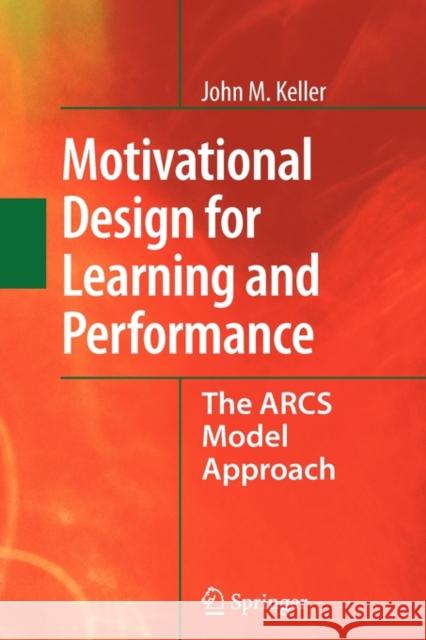
Motivational Design for Learning and Performance: The Arcs Model Approach Keller, John M. 9781441965790 Springer - książkaWidoczna okładka, to zdjęcie poglądowe, a rzeczywista szata graficzna może różnić się od prezentowanej.

Motivational Design for Learning and Performance: The Arcs Model Approach

ISBN-13: 9781441965790 / Angielski / Miękka / 2010 / 345 str.

John M. Keller
cena 726,29
(netto: 691,70 VAT:  5%)

Najniższa cena z 30 dni: 693,97
Termin realizacji zamówienia:
ok. 22 dni roboczych
Bez gwarancji dostawy przed świętami

Darmowa dostawa!
inne wydania

It is impossible to control another person's motivation. But much of the instructor's job involves stimulating learner motivation, and learning environments should ideally be designed toward this goal. Motivational Design for Learning and Performance introduces readers to the core concepts of motivation and motivational design and applies this knowledge to the design process in a systematic step-by-step format. The ARCS model--theoretically robust, rooted in best practices, and adaptable to a variety of practical uses--forms the basis of this problem-solving approach. Separate chapters cover each component of the model--attention, relevance, confidence, and satisfaction--and offer strategies for promoting each one in learners. From there, the motivational design process is explained in detail, supplemented by real-world examples and ready-to-use worksheets. The methods are applied to traditional and alternative settings, including gifted classes, elementary grades, self-directed learning, and corporate training. And the book is geared toward the non-specialist reader, making it accessible to those without a psychology or teaching background. With this guide, the reader learns how to:

  • Identify motivation problems and goals
  • Decide whether the environment or the learners need changing
  • Generate attention, relevance, confidence, and satisfaction in learners
  • Integrate motivational design and instructional design
  • Select, develop, and evaluate motivational materials
  • Plus a wealth of tables, worksheets, measures, and other valuable tools aid in the design process
Comprehensive and enlightening, Motivational Design for Learning and Performance furnishes an eminently practical body of knowledge to researchers and professionals in performance technology and instructional design as well as educational psychologists, teachers and trainers.

Kategorie:
Nauka, Psychologia
Kategorie BISAC:
Education > Educational Psychology
Education > Teaching - General
Wydawca:
Springer
Język:
Angielski
ISBN-13:
9781441965790
Rok wydania:
2010
Wydanie:
2010
Ilość stron:
345
Waga:
0.53 kg
Wymiary:
23.39 x 15.6 x 1.98
Oprawa:
Miękka
Wolumenów:
01

Dedication Preface Acknowledgements Chapter 1. The Study of Motivation Forethought Introduction What is Motivation? ARCS-V: An Expansion of the Traditional ARCS Model Conceptual Challenges in the Study of Motivation Summary Chapter 2. What is Motivational Design? Forethought Introduction Characteristics of Design Motivational Design Models Process versus Models: Benefits of a Holistic, Systems Approach Design Challenges With Regard to Motivation The Limitations of Motivational Design Summary Chapter 3. The ARCS Model of Motivational Design Forethoughts Introduction Categories of the ARCS Model Subcategories and Major Supporting Strategies The Systematic Process of Motivational Design Integration of Motivational Design and Instructional Design Summary Chapter 4. Generating and Sustaining Attention Forethought Introduction Psychological Basis for Attention Strategies for Attention and Curiosity Summary Chapter 5. Establishing and Supporting Relevance Forethought Introduction What is Meant by Relevance? Psychological Basis for Relevance Strategies for Relevance Summary Chapter 6. Building Confidence Forethoughts Introduction Psychological Basis for Confidence Strategies for Building Confidence Summary Chapter 7. Managing Outcomes for Satisfaction Forethought Introduction Psychological Basis for Satisfaction Strategies to Promote Feelings of Satisfaction Summary Chapter 8. Identifying Motivational Problems Forethought Introduction: Beginning the Design Process Step 1: Obtain Course Information Step 2: Obtain Audience Information Step 3: Analyze Audience Step 4: Analyze Existing Materials Summary Chapter 9. Identifying Motivational Goals and Tactics Forethoughts Introduction Step 5: List Objectives and Assessments Step 6: List Potential Tactics Step 7: Select and Design Tactics Summary Chapter 10. Integrating Motivational and Instructional Strategies Forethought Introduction Step 8: Integrate With Instructional Design Step 9: Select and Develop Materials Step 10: Evaluation and Revision Summary Chapter 11: Tools to Support Motivational Design Forethought Introduction Motivational Design Matrix: A Simplified Approach Motivational Idea Worksheet ARCS-Based Measures of Motivation Motivational Tactics Checklist Motivational Delivery Checklist Summary Chapter 12: Motivational Design Research and Development Forethoughts Introduction Motivational Messages Instructor-Facilitated Learning Environments Self-Directed Learning Environments Motivational Design of Job Aids & Manuals Summary

John Keller, Ph.D. in Instructional Systems Technology and Organizational Behavior from Indiana University, is a Professor of Educational Psychology and Learning Systems at Florida State University. Prior to coming to FSU in January, 1985, he was a member of the faculty at Syracuse University which he joined in 1974 after finishing his doctoral program. Prior to going to graduate school, he taught English and multimedia in secondary school in Southern California after serving in the U.S. Marine Corps and earning his B.A. in philosophy at the University of California at Riverside. Since earning his Ph.D., he has gained extensive experience working with corporate, governmental, and educational organizations in the United States and abroad. He has made major contributions to the development of approaches to designing motivational systems and he has contributed to the design of performance improvement and systematic training design processes for several school districts, major corporations, and government agencies. In addition, he has extensive international experience, especially but not exclusively in Europe, South America, Northeast Asia, and Southeast Asia. He has delivered addresses, participated in conferences, and completed consultancies in more than 20 countries, and he recently completed a teaching assignment at the University of Salzburg, Austria. He is best known for the motivational design process he created that is called the "ARCS model." His current interests include the study of methods for improving learner motivation in undergraduate courses, motivation in mathematics education, and motivation in relation to technology integration in online and face-to-face instruction.

It is impossible to control another person’s motivation. But much of the instructor’s job involves stimulating learner motivation, and learning environments should ideally be designed toward this goal. Motivational Design for Learning and Performance introduces readers to the core concepts of motivation and motivational design and applies this knowledge to the design process in a systematic step-by-step format.

The ARCS model—theoretically robust, rooted in best practices, and adaptable to a variety of practical uses—forms the basis of this problem-solving approach. Separate chapters cover each component of the model—attention, relevance, confidence, and satisfaction—and offer strategies for promoting each one in learners. From there, the motivational design process is explained in detail, supplemented by real-world examples and ready-to-use worksheets. The methods are applied to traditional and alternative settings, including gifted classes, elementary grades, self-directed learning, and corporate training. And the book is geared toward the non-specialist reader, making it accessible to those without a psychology or teaching background.

With this guide, the reader learns how to:

  • Identify motivation problems and goals
  • Decide whether the environment or the learners need changing
  • Generate attention, relevance, confidence, and satisfaction in learners
  • Integrate motivational design and instructional design
  • Select, develop, and evaluate motivational materials
  • Plus a wealth of tables, worksheets, measures, and other valuable tools aid in the design process


Comprehensive and enlightening, Motivational Design for Learning and Performance furnishes an eminently practical body of knowledge to researchers and professionals in performance technology and instructional design as well as educational psychologists, teachers and trainers.

Keller, John M. John M. Keller is the author of four acclaimed boo... więcej >


Udostępnij

Facebook - konto krainaksiazek.pl


Opinie o Krainaksiazek.pl na Opineo.pl

Partner Mybenefit

Krainaksiazek.pl w programie rzetelna firma Krainaksiaze.pl - płatności przez paypal

Czytaj nas na:

Facebook - krainaksiazek.pl
  • książki na zamówienie
  • granty
  • książka na prezent
  • kontakt
  • pomoc
  • opinie
  • regulamin
  • polityka prywatności

Zobacz:

  • Księgarnia czeska

  • Wydawnictwo Książkowe Klimaty

1997-2025 DolnySlask.com Agencja Internetowa

© 1997-2022 krainaksiazek.pl
     
KONTAKT | REGULAMIN | POLITYKA PRYWATNOŚCI | USTAWIENIA PRYWATNOŚCI
Zobacz: Księgarnia Czeska | Wydawnictwo Książkowe Klimaty | Mapa strony | Lista autorów
KrainaKsiazek.PL - Księgarnia Internetowa

Polityka prywatnosci - link
Krainaksiazek.pl - płatnośc Przelewy24
Przechowalnia Przechowalnia





