More Examples, Less Theory: Historical Studies of Writing Psychology » książka

topmenu




More Examples, Less Theory: Historical Studies of Writing Psychology
ISBN-13: 9781108498418 / Angielski / Twarda / 2019 / 292 str.
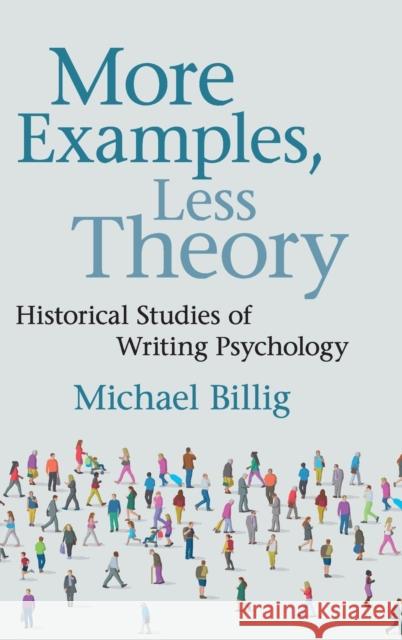
More Examples, Less Theory: Historical Studies of Writing Psychology
ISBN-13: 9781108498418 / Angielski / Twarda / 2019 / 292 str.
cena 596,14
(netto: 567,75 VAT: 5%)
Najniższa cena z 30 dni: 454,89
(netto: 567,75 VAT: 5%)
Najniższa cena z 30 dni: 454,89
Termin realizacji zamówienia:
ok. 16-18 dni roboczych.
ok. 16-18 dni roboczych.
Darmowa dostawa!
By examining key psychologists from the past, this book shows why examples are so important and theory is over-valued.




Czytaj nas na:
Zobacz: Księgarnia Czeska | Wydawnictwo Książkowe Klimaty | Mapa strony | Lista autorów
KrainaKsiazek.PL - Księgarnia Internetowa

KrainaKsiazek.PL - Księgarnia Internetowa

