• Wyszukiwanie zaawansowane
  • Kategorie
  • Kategorie BISAC
  • Książki na zamówienie
  • Promocje
  • Granty
  • Książka na prezent
  • Opinie
  • Pomoc
  • Załóż konto
  • Zaloguj się

Meat Less: The Next Food Revolution » książka


zaloguj się | załóż konto
Logo Krainaksiazek.pl

koszyk

konto

szukaj
topmenu
Księgarnia internetowa
Szukaj
Książki na zamówienie
Promocje
Granty
Książka na prezent
Moje konto
Pomoc
 
 
Wyszukiwanie zaawansowane
Pusty koszyk
Bezpłatna dostawa dla zamówień powyżej 20 złBezpłatna dostawa dla zamówień powyżej 20 zł

Kategorie główne

• Nauka
 [2946912]
• Literatura piękna
 [1852311]

  więcej...
• Turystyka
 [71421]
• Informatyka
 [150889]
• Komiksy
 [35717]
• Encyklopedie
 [23177]
• Dziecięca
 [617324]
• Hobby
 [138808]
• AudioBooki
 [1671]
• Literatura faktu
 [228371]
• Muzyka CD
 [400]
• Słowniki
 [2841]
• Inne
 [445428]
• Kalendarze
 [1545]
• Podręczniki
 [166819]
• Poradniki
 [480180]
• Religia
 [510412]
• Czasopisma
 [525]
• Sport
 [61271]
• Sztuka
 [242929]
• CD, DVD, Video
 [3371]
• Technologie
 [219258]
• Zdrowie
 [100961]
• Książkowe Klimaty
 [124]
• Zabawki
 [2341]
• Puzzle, gry
 [3766]
• Literatura w języku ukraińskim
 [255]
• Art. papiernicze i szkolne
 [7810]
Kategorie szczegółowe BISAC

Meat Less: The Next Food Revolution

ISBN-13: 9783031239632 / Angielski
David Julian McClements
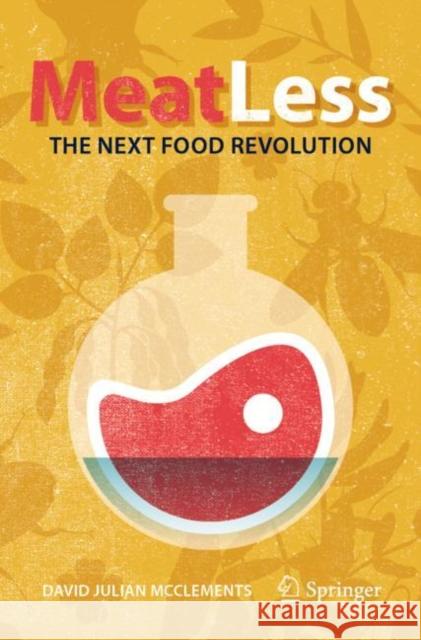
Meat Less: The Next Food Revolution David Julian McClements 9783031239632 Springer - książkaWidoczna okładka, to zdjęcie poglądowe, a rzeczywista szata graficzna może różnić się od prezentowanej.

Meat Less: The Next Food Revolution

ISBN-13: 9783031239632 / Angielski

David Julian McClements
cena 100,60
(netto: 95,81 VAT:  5%)

Najniższa cena z 30 dni: 88,64
Termin realizacji zamówienia:
ok. 22 dni roboczych
Bez gwarancji dostawy przed świętami

Darmowa dostawa!

Reducing the amount of meat in our diet would have major environmental benefits, including reducing greenhouse gas emissions, pollution, deforestation, and biodiversity loss.  Moreover, it would have wide-ranging ethical benefits by decreasing the huge number of livestock animals confined and killed each year for food. For consumers, there may also be health benefits from a meat-less diet, provided it was carefully planned. Advances in modern science and technology, including plant-based, microbial, lab-grown, and insect meats, are revolutionizing the food industry and making it easier for consumers worldwide to maintain a meat-less diet.InMeat Less: The Next Food RevolutionI outline my own journey as a food scientist who became a vegetarian in solidarity with my daughter. In writing this book I take the viewpoint that there are no easy answers and that everyone must make the decision to eat meat or not based on their own values. The first chapters examine the impact of meat consumption on the environment, human health, and animal welfare, including the important questions of how much does eating meat really contribute to greenhouse gas emissions, pollution, and biodiversity loss, what are the ethical implications of raising and killing animals for food, and the impact of reducing meat consumption on human nutrition and health. I then discuss some of the new technologies that are being developed to create alternatives to meat, including plant-based meat, cultured (lab-grown) meat, microbial meat, and insect meat.  I present the science behind these new technologies and their potential for making a difference to climate change and human health. In the final chapter, I discuss why I remain a vegetarian and have decided to dedicate the rest of my scientific career to finding sustainable and healthy alternatives to meat, presenting my vision of the human diet in 2050.


Reducing the amount of meat in our diet would have major environmental benefits, including reducing greenhouse gas emissions, pollution, deforestation, and biodiversity loss.  Moreover, it would have wide-ranging ethical benefits by decreasing the huge number of livestock animals confined and killed each year for food. For consumers, there may also be health benefits from a meat-less diet, provided it was carefully planned. Advances in modern science and technology, including plant-based, microbial, lab-grown, and insect meats, are revolutionizing the food industry and making it easier for consumers worldwide to maintain a meat-less diet.In Meat Less: The Next Food Revolution I outline my own journey as a food scientist who became a vegetarian in solidarity with my daughter. In writing this book I take the viewpoint that there are no easy answers and that everyone must make the decision to eat meat or not based on their own values. The first chapters examine the impact of meat consumption on the environment, human health, and animal welfare, including the important questions of how much does eating meat really contribute to greenhouse gas emissions, pollution, and biodiversity loss, what are the ethical implications of raising and killing animals for food, and the impact of reducing meat consumption on human nutrition and health. I then discuss some of the new technologies that are being developed to create alternatives to meat, including plant-based meat, cultured (lab-grown) meat, microbial meat, and insect meat.  I present the science behind these new technologies and their potential for making a difference to climate change and human health. In the final chapter, I discuss why I remain a vegetarian and have decided to dedicate the rest of my scientific career to finding sustainable and healthy alternatives to meat, presenting my vision of the human diet in 2050.

Kategorie:
Nauka, Biologia i przyroda
Kategorie BISAC:
Science > Life Sciences - General
Wydawca:
Springer
Seria wydawnicza:
Copernicus Books
Język:
Angielski
ISBN-13:
9783031239632

(1) Should I Eat Meat?.- (2) Meat and the Environment: How Livestock are Taking a Big Bite Out of Our Planet.- (3) An Ethical Dilemma: To Meat or Not to Meat?.- (4) Meat and Nutrition: Will Eating Less Meat Make Me Healthier?.- (5) Staying Alive: Is a Meat-Free Diet Safer?.- (6) Plant-based Meat: Building Meat from Plants.- (7) Biotech Meat: Growing Meat from Cells.- (8) Bug Meat: Assembling Meat from Insects.- (9) The Past is the Future: Tofu and Tempeh Rejuvenated.- (10) Future Foods: Diet 2050.


David Julian McClements is a Distinguished Professor at the Department of Food Science at the University of Massachusetts.  Over the past three decades, he has applied physics, chemistry, and biology to improve the quality, health, and sustainability of foods. He has written numerous books, published over 1300 scientific articles, been granted several patents, and presented his work around the world.  He is currently the most highly cited author in the food and agricultural sciences.  He has received awards from numerous scientific organizations in recognition of his achievements. 

Reducing the amount of meat in our diet would have major environmental benefits, including reducing greenhouse gas emissions, pollution, deforestation, and biodiversity loss.  Moreover, it would have wide-ranging ethical benefits by decreasing the huge number of livestock animals confined and killed each year for food. For consumers, there may also be health benefits from a meat-less diet, provided it was carefully planned. Advances in modern science and technology, including plant-based, microbial, lab-grown, and insect meats, are revolutionizing the food industry and making it easier for consumers worldwide to maintain a meat-less diet.

In Meat Less: The Next Food Revolution I outline my own journey as a food scientist who became a vegetarian in solidarity with my daughter. In writing this book I take the viewpoint that there are no easy answers and that everyone must make the decision to eat meat or not based on their own values. The first chapters examine the impact of meat consumption on the environment, human health, and animal welfare, including the important questions of how much does eating meat really contribute to greenhouse gas emissions, pollution, and biodiversity loss, what are the ethical implications of raising and killing animals for food, and the impact of reducing meat consumption on human nutrition and health. I then discuss some of the new technologies that are being developed to create alternatives to meat, including plant-based meat, cultured (lab-grown) meat, microbial meat, and insect meat.  I present the science behind these new technologies and their potential for making a difference to climate change and human health. In the final chapter, I discuss why I remain a vegetarian and have decided to dedicate the rest of my scientific career to finding sustainable and healthy alternatives to meat, presenting my vision of the human diet in 2050.




Udostępnij

Facebook - konto krainaksiazek.pl


Opinie o Krainaksiazek.pl na Opineo.pl

Partner Mybenefit

Krainaksiazek.pl w programie rzetelna firma Krainaksiaze.pl - płatności przez paypal

Czytaj nas na:

Facebook - krainaksiazek.pl
  • książki na zamówienie
  • granty
  • książka na prezent
  • kontakt
  • pomoc
  • opinie
  • regulamin
  • polityka prywatności

Zobacz:

  • Księgarnia czeska

  • Wydawnictwo Książkowe Klimaty

1997-2025 DolnySlask.com Agencja Internetowa

© 1997-2022 krainaksiazek.pl
     
KONTAKT | REGULAMIN | POLITYKA PRYWATNOŚCI | USTAWIENIA PRYWATNOŚCI
Zobacz: Księgarnia Czeska | Wydawnictwo Książkowe Klimaty | Mapa strony | Lista autorów
KrainaKsiazek.PL - Księgarnia Internetowa

Polityka prywatnosci - link
Krainaksiazek.pl - płatnośc Przelewy24
Przechowalnia Przechowalnia



