• Wyszukiwanie zaawansowane
  • Kategorie
  • Kategorie BISAC
  • Książki na zamówienie
  • Promocje
  • Granty
  • Książka na prezent
  • Opinie
  • Pomoc
  • Załóż konto
  • Zaloguj się

Maximum Embodiment: Yoga, the Western Painting of Japan, 1912-1955 » książka


zaloguj się | załóż konto
Logo Krainaksiazek.pl

koszyk

konto

szukaj
topmenu
Księgarnia internetowa
Szukaj
Książki na zamówienie
Promocje
Granty
Książka na prezent
Moje konto
Pomoc
 
 
Wyszukiwanie zaawansowane
Pusty koszyk
Bezpłatna dostawa dla zamówień powyżej 20 złBezpłatna dostawa dla zamówień powyżej 20 zł

Kategorie główne

• Nauka
 [2948695]
• Literatura piękna
 [1824038]

  więcej...
• Turystyka
 [70868]
• Informatyka
 [151073]
• Komiksy
 [35227]
• Encyklopedie
 [23181]
• Dziecięca
 [621575]
• Hobby
 [138961]
• AudioBooki
 [1642]
• Literatura faktu
 [228651]
• Muzyka CD
 [371]
• Słowniki
 [2933]
• Inne
 [445341]
• Kalendarze
 [1243]
• Podręczniki
 [164416]
• Poradniki
 [479493]
• Religia
 [510449]
• Czasopisma
 [502]
• Sport
 [61384]
• Sztuka
 [243086]
• CD, DVD, Video
 [3417]
• Technologie
 [219673]
• Zdrowie
 [100865]
• Książkowe Klimaty
 [124]
• Zabawki
 [2168]
• Puzzle, gry
 [3372]
• Literatura w języku ukraińskim
 [260]
• Art. papiernicze i szkolne
 [7838]
Kategorie szczegółowe BISAC

Maximum Embodiment: Yoga, the Western Painting of Japan, 1912-1955

ISBN-13: 9780824835378 / Angielski / Twarda / 2012 / 250 str.
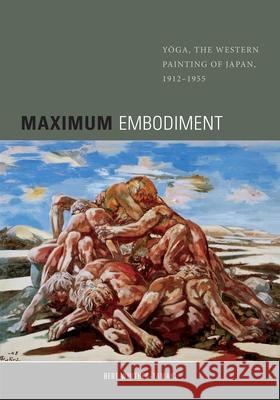
Bert Winther-Tamaki
Maximum Embodiment: Yoga, the Western Painting of Japan, 1912-1955 Winther-Tamaki, Bert 9780824835378 University of Hawaii Press - książkaWidoczna okładka, to zdjęcie poglądowe, a rzeczywista szata graficzna może różnić się od prezentowanej.

Maximum Embodiment: Yoga, the Western Painting of Japan, 1912-1955

ISBN-13: 9780824835378 / Angielski / Twarda / 2012 / 250 str.

Bert Winther-Tamaki
cena 126,78
(netto: 120,74 VAT:  5%)

Najniższa cena z 30 dni: 125,48
Termin realizacji zamówienia:
ok. 30 dni roboczych.

Darmowa dostawa!

Maximum Embodiment presents a compelling thesis articulating the historical character of Yoga, literally the "Western painting" of Japan. The term designates what was arguably the most important movement in modern Japanese art from the late nineteenth to the mid-twentieth centuries. Perhaps the most critical marker of Yoga was its association with the medium of oil-on-canvas, which differed greatly from the water-based pigments and inks of earlier Japanese painting. Yoga encompassed both establishment fine art and avant-gardist insurgencies, but in both cases, as the term suggests, it was typically focused on techniques, motifs, canons, or iconographies that were obtained in Europe and deployed by Japanese artists.Despite recent advances in Yoga studies, important questions remain unanswered: What specific visuality did the protagonists of Yoga seek from Europe and contribute to modern Japanese society? What qualities of representation were so dearly coveted as to stimulate dedication to the pursuit of Yoga? What distinguished Yoga in Japanese visual culture? This study answers these questions by defining a paradigm of embodied representation unique to Yoga painting that may be conceptualized in four registers: first, the distinctive materiality of oil paint pigments on the picture surface; second, the depiction of palpable human bodies; third, the identification of the act and product of painting with a somatic expression of the artist's physical being; and finally, rhetorical metaphors of political and social incorporation. The so-called Western painters of Japan were driven to strengthen subjectivity by maximizing a Japanese sense of embodiment through the technical, aesthetic, and political means suggested by these interactive registers of embodiment.Balancing critique and sympathy for the twelve Yoga painters who are its principal protagonists, Maximum Embodiment investigates the quest for embodiment in some of the most compelling images of modern Japanese art. The valiant struggles of artists to garner strongly embodied positions of subjectivity in the 1910s and 1930s gave way to despairing attempts at fathoming and mediating the horrifying experiences of real life during and after the war in the 1940s and 1950s. The very properties of Yoga that had been so conducive to expressing forceful embodiment now produced often gruesome imagery of the destruction of bodies. Combining acute visual analysis within a convincing conceptual framework, this volume provides an original account of how the drive toward maximum embodiment in early twentieth-century Yoga was derailed by an impulse toward maximum disembodiment.


Kategorie:
Sztuka, Architektura
Kategorie BISAC:
Art > History - Modern (Late 19th Century to 1945)
Art > Asian - General
Art > History - Contemporary (1945- )
Wydawca:
University of Hawaii Press
Język:
Angielski
ISBN-13:
9780824835378
Rok wydania:
2012
Ilość stron:
250
Waga:
0.79 kg
Wymiary:
25.65 x 18.03 x 2.29
Oprawa:
Twarda
Wolumenów:
01
Dodatkowe informacje:
Bibliografia
Obwoluta
Wydanie ilustrowane
Winther-Tamaki, Bert Bert Winther-Tamaki is Associate Professor of Art ... więcej >


Udostępnij

Facebook - konto krainaksiazek.pl


Opinie o Krainaksiazek.pl na Opineo.pl

Partner Mybenefit

Krainaksiazek.pl w programie rzetelna firma Krainaksiaze.pl - płatności przez paypal

Czytaj nas na:

Facebook - krainaksiazek.pl
  • książki na zamówienie
  • granty
  • książka na prezent
  • kontakt
  • pomoc
  • opinie
  • regulamin
  • polityka prywatności

Zobacz:

  • Księgarnia czeska

  • Wydawnictwo Książkowe Klimaty

1997-2026 DolnySlask.com Agencja Internetowa

© 1997-2022 krainaksiazek.pl
     
KONTAKT | REGULAMIN | POLITYKA PRYWATNOŚCI | USTAWIENIA PRYWATNOŚCI
Zobacz: Księgarnia Czeska | Wydawnictwo Książkowe Klimaty | Mapa strony | Lista autorów
KrainaKsiazek.PL - Księgarnia Internetowa

Polityka prywatnosci - link
Krainaksiazek.pl - płatnośc Przelewy24
Przechowalnia Przechowalnia






