Mathematical Foundations of Time Series Analysis: A Concise Introduction » książka





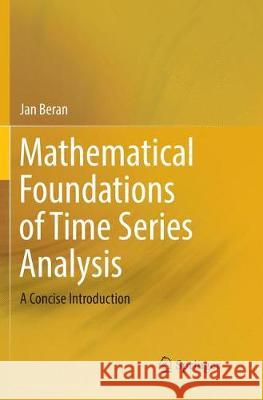
Mathematical Foundations of Time Series Analysis: A Concise Introduction
ISBN-13: 9783030089757 / Angielski / Miękka / 2018 / 307 str.
Mathematical Foundations of Time Series Analysis: A Concise Introduction
ISBN-13: 9783030089757 / Angielski / Miękka / 2018 / 307 str.
(netto: 573,71 VAT: 5%)
Najniższa cena z 30 dni: 578,30
ok. 22 dni roboczych.
Darmowa dostawa!
"'This book provides a concise introduction to the mathematical foundations of time series analysis, with an emphasis on mathematical clarity. ... It appeals to anybody wanting to understand time series in a precise, mathematical manner. It is suitable for graduate courses in time series analysis but is equally useful as a reference work for students and researchers alike.' ... The book can be recommended to all readers, who are interested in this field." (Ludwig Paditz, zbMath 1414.62001, 2019)
"This book is a rigorous, mathematically clear and self-contained and quite complete text on time series analysis, suitable both for graduate courses and as a reference book for researchers and users of stochastic temporal models." (Nazaré Mendes Lopes, Mathematical Reviews, December, 2018)
"Beran (Univ. of Konstanz, Germany) presents the mathematical foundations of time series analysis at a level suitable for advanced graduate students and researchers in statistics. The presentation is extremely concise ... . the book gives definitions, theorems, and proofs, along with a few exercises and solutions. ... it may be useful to graduate students and researchers as a reference." (B. Borchers, Choice, Vol. 56 (03), November, 2018)
1 Introduction . . . . . . . . . . . . . . . . . . . . . . . . . . . . . . . . . . . . . . . . . . . . . . . . . . . 1
1.1 What is a time series? . . . . . . . . . . . . . . . . . . . . . . . . . . . . . . . . . . . . . . . 1
1.2 Time series versus iid data . . . . . . . . . . . . . . . . . . . . . . . . . . . . . . . . . . . 22 Typical assumptions . . . . . . . . . . . . . . . . . . . . . . . . . . . . . . . . . . . . . . . . . . . . 5
2.1 Fundamental properties . . . . . . . . . . . . . . . . . . . . . . . . . . . . . . . . . . . . . 5
2.1.1 Ergodic property with a constant limit . . . . . . . . . . . . . . . . . . . 5
2.1.2 Strict Stationarity . . . . . . . . . . . . . . . . . . . . . . . . . . . . . . . . . . . . 7
2.1.3 Weak Stationarity . . . . . . . . . . . . . . . . . . . . . . . . . . . . . . . . . . . . 72.1.4 Weak stationarity and Hilbert spaces . . . . . . . . . . . . . . . . . . . . 9
2.1.5 Ergodic processes . . . . . . . . . . . . . . . . . . . . . . . . . . . . . . . . . . . . 25
2.1.6 Sufficient conditions for the a.s. ergodic property with a constant limit. . . . . . . . . . . 26
2.1.7 Sufficient conditions for the L2-ergodic property with a constant limit . .. . . . .. . . 27
2.2 Specific assumptions . . . . . . . . . . . . . . . . . . . . . . . . . . . . . . . . . . . . . . . . 30
2.2.1 Gaussian processes . . . . . . . . . . . . . . . . . . . . . . . . . . . . . . . . . . . 30
2.2.2 Linear processes in L2(Ω) . . . . . . . . . . . . . . . . . . . . . . . . . . . . . 31
2.2.3 Linear processes with E(X2t ) = ∞ . . . . . . . . . . . . . . . . . . . . . . 34
2.2.4 Multivariate linear processes . . . . . . . . . . . . . . . . . . . . . . . . . . . 37
2.2.5 Invertibility . . . . . . . . . . . . . . . . . . . . . . . . . . . . . . . . . . . . . . . . . 382.2.6 Restrictions on the dependence structure . . . . . . . . . . . . . . . . . 49
3 Defining probability measures for time series . . . . . . . . . . . . . . . . . . . . . . 55
3.1 Finite dimensional distributions . . . . . . . . . . . . . . . . . . . . . . . . . . . . . . . 55
3.2 Transformations and equations . . . . . . . . . . . . . . . . . . . . . . . . . . . . . . . 56
3.3 Conditions on the expected value . . . . . . . . . . . . . . . . . . . . . . . . . . . . . 57
3.4 Conditions on the autocovariance function . . . . . . . . . . . . . . . . . . . . . . 58
3.4.1 Positive semidefinite functions . . . . . . . . . . . . . . . . . . . . . . . . . 59
3.4.2 Spectral distribution . . . . . . . . . . . . . . . . . . . . . . . . . . . . . . . . . . 613.4.3 Calculation and properties of F and f . . . . . . . . . . . . . . . . .
4 Spectral representation of univariate time series . . . . . . . . . . . . . . . . . . . 81
4.1 Motivation . . . . . . . . . . . . . . . . . . . . . . . . . . . . . . . . . . . . . . . . . . . . . . . . 81
4.2 Harmonic processes . . . . . . . . . . . . . . . . . . . . . . . . . . . . . . . . . . . . . . . . 81
4.3 Extension to general processes . . . . . . . . . . . . . . . . . . . . . . . . . . . . . . . 84
4.3.1 Stochastic integrals with respect to Z . . . . . . . . . . . . . . . . . . . . 84
4.3.2 Existence and definition of Z . . . . . . . . . . . . . . . . . . . . . . . . . . 89
4.3.3 Interpretation of the spectral representation . . . . . . . . . . . . . . 97
4.4 Further properties . . . . . . . . . . . . . . . . . . . . . . . . . . . . . . . . . . . . . . . . . . 98
4.4.1 Relationship between ReZ and ImZ . . . . . . . . . . . . . . . . . . . . 98
4.4.2 Frequency . . . . . . . . . . . . . . . . . . . . . . . . . . . . . . . . . . . . . . . . . . 99
4.4.3 Overtones . . . . . . . . . . . . . . . . . . . . . . . . . . . . . . . . . . . . . . . . . . 99
4.4.4 Why are frequencies restricted to the range [-π,π]? . . . . . . . 100
4.5 Linear filters and the spectral representation . . . . . . . . . . . . . . . . . . . . 103
4.5.1 Effect on the spectral representation . . . . . . . . . . . . . . . . . . . . . 103
4.5.2 Elimination of Frequency Bands . . . . . . . . . . . . . . . . . . . . . . . 107
5 Spectral representation of real valued vector time series . . . . . . . . . . . . 109
5.1 Cross-spectrum and spectral representation . . . . . . . . . . . . . . . . . . . . . 109
5.2 Coherence and phase . . . . . . . . . . . . . . . . . . . . . . . . . . . . . . . . . . . . . . . . 116
6 Univariate ARMA processes . . . . . . . . . . . . . . . . . . . . . . . . . . . . . . . . . . . . . 127
6.1 Definition . . . . . . . . . . . . . . . . . . . . . . . . . . . . . . . . . . . . . . . . . . . . . . . . . 127
6.2 Stationary solution . . . . . . . . . . . . . . . . . . . . . . . . . . . . . . . . . . . . . . . . . 127
6.3 Causal stationary solution . . . . . . . . . . . . . . . . . . . . . . . . . . . . . . . . . . . 131
6.4 Causal invertible stationary solution . . . . . . . . . . . . . . . . . . . . . . . . . . . 133
6.5 Autocovariances of ARMA processes . . . . . . . . . . . . . . . . . . . . . . . . . . 134
6.5.1 Calculation by integration . . . . . . . . . . . . . . . . . . . . . . . . . . . . . 134
6.5.2 Calculation using the autocovariance generating function . . . 135
6.5.3 Calculation using the Wold representation . . . . . . . . . . . . . . . 1386.5.4 Recursive calculation . . . . . . . . . . . . . . . . . . . . . . . . . . . . . . . . . 139
6.5.5 Asymptotic decay . . . . . . . . . . . . . . . . . . . . . . . . . . . . . . . . . . . . 140
6.6 Integrated, seasonal and fractional ARMA and ARIMA processes . . 147
6.6.1 Integrated processes . . . . . . . . . . . . . . . . . . . . . . . . . . . . . . . . . . 147
6.6.2 Seasonal ARMA processes . . . . . . . . . . . . . . . . . . . . . . . . . . . . 147
6.6.3 Fractional ARIMA processes . . . . . . . . . . . . . . . . . . . . . . . . . . 148
6.7 Unit roots, spurious correlation, cointegration . . . . . . . . . . . . . . . . . . . 159
7 Generalized autoregressive processes . . . . . . . . . . . . . . . . . . . . . . . . . . . . . 163
7.1 Definition of generalized autoregressive processes . . . . . . . . . . . . . . . 163
7.2 Stationary solution of generalized autoregressive equations . . . . . . . . 164
7.3 Definition of VARMA processes . . . . . . . . . . . . . . . . . . . . . . . . . . . . . . 168
7.4 Stationary solution of VARMA equations . . . . . . . . . . . . . . . . . . . . . . 169
7.5 Definition of GARCH processes . . . . . . . . . . . . . . . . . . . . . . . . . . . . . . 171
7.6 Stationary solution of GARCH equations . . . . . . . . . . . . . . . . . . . . . . . 172
7.7 Definition of ARCH(∞) processes . . . . . . . . . . . . . . . . . . . . .
7.8 Stationary solution of ARCH(∞) equations . . . . . . . . . . . . . . . . . . . . . 177
8 Prediction . . . . . . . . . . . . . . . . . . . . . . . . . . . . . . . . . . . . . . . . . . . . . . . . . . . . . 181
8.1 Best linear prediction given an infinite past . . . . . . . . . . . . . . . . . . . . . 181
8.2 Predictability . . . . . . . . . . . . . . . . . . . . . . . . . . . . . . . . . . . . . . . . . . . . . . 182
8.3 Construction of the Wold decomposition from f . . . . . . . . . . . . . . . . . 187
8.4 Best linear prediction given a finite past . . . . . . . . . . . . . . . . . . . . . . . . 190
9 Inference for µ, γ and F . . . . . . . . . . . . . . . . . . . . . . . . . . . . . . . . . . . . . . . . . 195
9.1 Location estimation . . . . . . . . . . . . . . . . . . . . . . . . . . . . . . . . . . . . . . . . . 195
9.2 Linear regression . . . . . . . . . . . . . . . . . . . . . . . . . . . . . . . . . . . . . . . . . . . 197
9.3 Nonparametric estimation of γ . . . . . . . . . . . . . . . . . . . . . . . . . . . . . . . . 205
9.4 Nonparametric estimation of f . . . . . . . . . . . . . . . . . . . . . . . . . . . . . . . 21110 Parametric estimation . . . . . . . . . . . . . . . . . . . . . . . . . . . . . . . . . . . . . . . . . . 227
10.1 Gaussian and quasi maximum likelihood estimation . . . . . . . . . . . . . . 227
10.2 Whittle approximation . . . . . . . . . . . . . . . . . . . . . . . . . . . . . . . . . . . . . . 229
10.3 Autoregressive approximation . . . . . . . . . . . . . . . . . . . . . . . . . . . . . . . . 232
10.4 Model choice . . . . . . . . . . . . . . . . . . . . . . . . . . . . . . . . . . . . . . . . . . . . . . 233
References . . . . . . . . . . . . . . . . . . . . . . . . . . . . . . . . . . . . . . . . . . . . . . . . . . . . . . . . . 237
Author Index . . . . . . . . . . . . . . . . . . . . . . . . . . . . . . . . . . . . . . . . . . . . . . . . . . . 243
Subject Index . . . . . . . . . . . . . . . . . . . . . . . . . . . . . . . . . . . . . . . . . . . . . . . . . . . 245
Jan Beran is Professor of Statistics at the Department of Mathematics and Statistics at the University of Konstanz, Germany. After completing his Ph.D. in mathematics at the ETH Zurich, Switzerland, he worked at several universities in the USA and at the University of Zurich in Switzerland. He has a broad range of interests, from long-memory processes and asymptotic theory to applications in finance, biology, and musicology.
This book provides a concise introduction to the mathematical foundations of time series analysis, with an emphasis on mathematical clarity. The text is reduced to the essential logical core, mostly using the symbolic language of mathematics, thus enabling readers to very quickly grasp the essential reasoning behind time series analysis. It appeals to anybody wanting to understand time series in a precise, mathematical manner. It is suitable for graduate courses in time series analysis but is equally useful as a reference work for students and researchers alike.




Czytaj nas na:
1997-2026 DolnySlask.com Agencja Internetowa
KrainaKsiazek.PL - Księgarnia Internetowa


