• Wyszukiwanie zaawansowane
  • Kategorie
  • Kategorie BISAC
  • Książki na zamówienie
  • Promocje
  • Granty
  • Książka na prezent
  • Opinie
  • Pomoc
  • Załóż konto
  • Zaloguj się

Light and Waves: A Conceptual Exploration of Physics » książka


zaloguj się | załóż konto
Logo Krainaksiazek.pl

koszyk

konto

szukaj
topmenu
Księgarnia internetowa
Szukaj
Książki na zamówienie
Promocje
Granty
Książka na prezent
Moje konto
Pomoc
 
 
Wyszukiwanie zaawansowane
Pusty koszyk
Bezpłatna dostawa dla zamówień powyżej 20 złBezpłatna dostawa dla zamówień powyżej 20 zł

Kategorie główne

• Nauka
 [2950560]
• Literatura piękna
 [1849509]

  więcej...
• Turystyka
 [71097]
• Informatyka
 [151150]
• Komiksy
 [35848]
• Encyklopedie
 [23178]
• Dziecięca
 [617388]
• Hobby
 [139064]
• AudioBooki
 [1657]
• Literatura faktu
 [228597]
• Muzyka CD
 [383]
• Słowniki
 [2855]
• Inne
 [445295]
• Kalendarze
 [1464]
• Podręczniki
 [167547]
• Poradniki
 [480102]
• Religia
 [510749]
• Czasopisma
 [516]
• Sport
 [61293]
• Sztuka
 [243352]
• CD, DVD, Video
 [3414]
• Technologie
 [219456]
• Zdrowie
 [101002]
• Książkowe Klimaty
 [124]
• Zabawki
 [2311]
• Puzzle, gry
 [3459]
• Literatura w języku ukraińskim
 [254]
• Art. papiernicze i szkolne
 [8079]
Kategorie szczegółowe BISAC

Light and Waves: A Conceptual Exploration of Physics

ISBN-13: 9783031240966 / Angielski / Twarda / 2023 / 436 str.
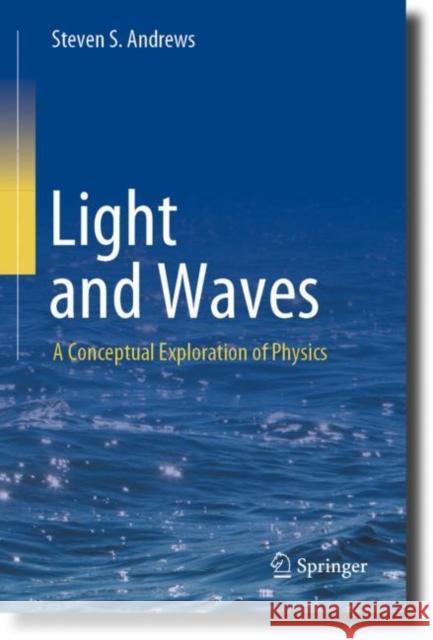
Steven S. Andrews
Light and Waves: A Conceptual Exploration of Physics Steven S. Andrews 9783031240966 Springer - książkaWidoczna okładka, to zdjęcie poglądowe, a rzeczywista szata graficzna może różnić się od prezentowanej.

Light and Waves: A Conceptual Exploration of Physics

ISBN-13: 9783031240966 / Angielski / Twarda / 2023 / 436 str.

Steven S. Andrews
cena 220,86
(netto: 210,34 VAT:  5%)

Najniższa cena z 30 dni: 212,02
Termin realizacji zamówienia:
ok. 22 dni roboczych
Dostawa w 2026 r.

Darmowa dostawa!
inne wydania

This book explores light and other types of waves, using this as a window into other aspects of physics. It emphasizes a conceptual understanding, using examples chosen from everyday life and the natural environment. For example, it explains how hummingbird feathers create shimmering colors, how musical instruments produce sound, and how atoms stick together to form molecules. It provides a unique perspective on physics by emphasizing commonalities among different types of waves, including string waves, water waves, sound waves, light waves, the matter waves of quantum mechanics, and the gravitational waves of general relativity. This book is targeted toward college non-science majors, advanced high school students, and adults who are curious about our physical world. It assumes familiarity with algebra but no further mathematics and is classroom-ready with many worked examples, exercises, exploratory puzzles, and appendices to support students from a variety of backgrounds.


This book explores light and other types of waves, using this as a window into other aspects of physics. It emphasizes a conceptual understanding, using examples chosen from everyday life and the natural environment. For example, it explains how hummingbird feathers create shimmering colors, how musical instruments produce sound, and how atoms stick together to form molecules. It provides a unique perspective on physics by emphasizing commonalities among different types of waves, including string waves, water waves, sound waves, light waves, the matter waves of quantum mechanics, and the gravitational waves of general relativity. This book is targeted toward college non-science majors, advanced high school students, and adults who are curious about our physical world. It assumes familiarity with algebra but no further mathematics and is classroom-ready with many worked examples, exercises, exploratory puzzles, and appendices to support students from a variety of backgrounds.

Kategorie:
Nauka, Fizyka
Kategorie BISAC:
Science > Optyka
Science > Acoustics & Sound
Science > Mechanika klasyczna płynów
Wydawca:
Springer
Język:
Angielski
ISBN-13:
9783031240966
Rok wydania:
2023
Wydanie:
2023
Ilość stron:
436
Oprawa:
Twarda
Wolumenów:
01

Contents
Preface
1 Introduction
1.1 Theories of Light . . . . . . . . . . . . . . . . . . . . . . . . . . . . . . . . . . . . . . 11
1.1.1 Extramission theory . . . . . . . . . . . . . . . . . . . . . . . . . . . . . . . . 11
1.1.2 Particle theory . . . . . . . . . . . . . . . . . . . . . . . . . . . . . . . . . . . 12
1.1.3 Wave theory . . . . . . . . . . . . . . . . . . . . . . . . . . . . . . . . . . . . 12
1.1.4 Particle-wave duality . . . . . . . . . . . . . . . . . . . . . . . . . . . . . . . . 13
1.1.5 Today . . . . . . . . . . . . . . . . . . . . . . . . . . . . . . . . . . . . . . . . 14
1.2 Further reading . . . . . . . . . . . . . . . . . . . . . . . . . . . . . . . . . . . . . . . 15
Part I: Waves
2 Properties of Waves 
2.1 Introduction to waves . . . . . . . . . . . . . . . . . . . . . . . . . . . . . . . . . . . 17
2.1.1 Examples of waves . . . . . . . . . . . . . . . . . . . . . . . . . . . . . . . . . 17
2.1.2 Transverse, longitudinal, and surface waves . . . . . . . . . . . . . . . . . . . 18
2.1.3 Amplitude and wavelength . . . . . . . . . . . . . . . . . . . . . . . . . . . . 19
2.2 Speed and velocity . . . . . . . . . . . . . . . . . . . . . . . . . . . . . . . . . . . . . 19
2.2.1 Speed and velocity of waves . . . . . . . . . . . . . . . . . . . . . . . . . . . . 19
2.2.2 Speed of light . . . . . . . . . . . . . . . . . . . . . . . . . . . . . . . . . . . . 21
2.2.3 Measuring the speed of light . . . . . . . . . . . . . . . . . . . . . . . . . . . 22
2.2.4 Speed of light in a medium . . . . . . . . . . . . . . . . . . . . . . . . . . . . 23
2.2.5 Aside: High frequency stock market trading and the speed of light . . . . . . 23
2.3 Frequency and period . . . . . . . . . . . . . . . . . . . . . . . . . . . . . . . . . . . 24
2.3.1 Frequency and period of waves . . . . . . . . . . . . . . . . . . . . . . . . . . 24
2.3.2 Cars on a road analogy for waves . . . . . . . . . . . . . . . . . . . . . . . . . 26
2.4 Summary . . . . . . . . . . . . . . . . . . . . . . . . . . . . . . . . . . . . . . . . . . 26
2.5 Problems . . . . . . . . . . . . . . . . . . . . . . . . . . . . . . . . . . . . . . . . . . 27
3 Superposition
3.1 Superposition of waves . . . . . . . . . . . . . . . . . . . . . . . . . . . . . . . . . . . 29
3.1.1 The superposition principle . . . . . . . . . . . . . . . . . . . . . . . . . . . . 29
3.1.2 Rogue waves . . . . . . . . . . . . . . . . . . . . . . . . . . . . . . . . . . . . 30
3.1.3 Constructive and destructive interference . . . . . . . . . . . . . . . . . . . . 31
3.1.4 Beating patterns . . . . . . . . . . . . . . . . . . . . . . . . . . . . . . . . . . 32
3.2 Standing waves . . . . . . . . . . . . . . . . . . . . . . . . . . . . . . . . . . . . . . . 32
3.2.1 Reflection at boundaries . . . . . . . . . . . . . . . . . . . . . . . . . . . . . . 32
3.2.2 Standing waves from reflected waves and superposition . . . . . . . . . . . . . 33
3.2.3 Standing waves between two boundaries . . . . . . . . . . . . . . . . . . . . . 34
3.3 Thin film interference . . . . . . . . . . . . . . . . . . . . . . . . . . . . . . . . . . . 35
3.3.1 Structural coloration . . . . . . . . . . . . . . . . . . . . . . . . . . . . . . . . 36
3.4 Diffraction . . . . . . . . . . . . . . . . . . . . . . . . . . . . . . . . . . . . . . . . . . 36
3.4.1 Diffraction through holes and around obstacles . . . . . . . . . . . . . . . . . 36
3.4.2 Huygen’s principle . . . . . . . . . . . . . . . . . . . . . . . . . . . . . . . . . 37
3.5 Diffraction and interference . . . . . . . . . . . . . . . . . . . . . . . . . . . . . . . . 38
3.5.1 Double-slit experiment . . . . . . . . . . . . . . . . . . . . . . . . . . . . . . . 38
3.5.2 Double-slit experiment analysis . . . . . . . . . . . . . . . . . . . . . . . . . . 38
3.5.3 Diffraction gratings . . . . . . . . . . . . . . . . . . . . . . . . . . . . . . . . . 39
3.5.4 Single-slit experiment and analysis . . . . . . . . . . . . . . . . . . . . . . . . 40
3.5.5 The Arago-Poisson spot . . . . . . . . . . . . . . . . . . . . . . . . . . . . . . 40
3.5.6 Babinet’s principle . . . . . . . . . . . . . . . . . . . . . . . . . . . . . . . . . 41
3.5.7 Atmospheric diffraction . . . . . . . . . . . . . . . . . . . . . . . . . . . . . . 41
3.6 Summary . . . . . . . . . . . . . . . . . . . . . . . . . . . . . . . . . . . . . . . . . . 42
3.7 Further reading . . . . . . . . . . . . . . . . . . . . . . . . . . . . . . . . . . . . . . . 43
3.8 Problems . . . . . . . . . . . . . . . . . . . . . . . . . . . . . . . . . . . . . . . . . . 43
4 Wave Interactions 
4.1 Resonance, coupling, and damping . . . . . . . . . . . . . . . . . . . . . . . . . . . . 45
4.1.1 Resonance and coupling . . . . . . . . . . . . . . . . . . . . . . . . . . . . . . 45
4.1.2 Resonance with light . . . . . . . . . . . . . . . . . . . . . . . . . . . . . . . . 46
4.1.3 Energy transfer at a constant frequency is reversible . . . . . . . . . . . . . . 48
4.1.4 Energy loss from damping is irreversible . . . . . . . . . . . . . . . . . . . . . 50
4.1.5 Aside: The Tacoma Narrows and Millennium Bridges . . . . . . . . . . . . . 51
4.2 Intensity spectra . . . . . . . . . . . . . . . . . . . . . . . . . . . . . . . . . . . . . . 52
4.2.1 Spectral graphs . . . . . . . . . . . . . . . . . . . . . . . . . . . . . . . . . . . 52
4.2.2 Continuous and line spectra . . . . . . . . . . . . . . . . . . . . . . . . . . . . 54
4.3 Transmission and absorption . . . . . . . . . . . . . . . . . . . . . . . . . . . . . . . 55
4.3.1 Transmission spectra . . . . . . . . . . . . . . . . . . . . . . . . . . . . . . . . 55
4.3.2 Absorption spectra . . . . . . . . . . . . . . . . . . . . . . . . . . . . . . . . . 57
4.4 Doppler effect and red/blue shift . . . . . . . . . . . . . . . . . . . . . . . . . . . . . 59
4.4.1 The Doppler effect for sound waves . . . . . . . . . . . . . . . . . . . . . . . . 59
4.4.2 Doppler effect for other types of waves . . . . . . . . . . . . . . . . . . . . . . 61
4.4.3 Supersonic motion . . . . . . . . . . . . . . . . . . . . . . . . . . . . . . . . . 62
4.5 Summary . . . . . . . . . . . . . . . . . . . . . . . . . . . . . . . . . . . . . . . . . . 63
4.6 Problems . . . . . . . . . . . . . . . . . . . . . . . . . . . . . . . . . . . . . . . . . . 64
5 Mechanical Waves 
5.1 Strings . . . . . . . . . . . . . . . . . . . . . . . . . . . . . . . . . . . . . . . . . . . . 69
5.1.1 How waves work . . . . . . . . . . . . . . . . . . . . . . . . . . . . . . . . . . 69
5.1.2 Speed of waves on a string . . . . . . . . . . . . . . . . . . . . . . . . . . . . . 70
5.1.3 Damped waves on a string . . . . . . . . . . . . . . . . . . . . . . . . . . . . . 71
5.2 Sound . . . . . . . . . . . . . . . . . . . . . . . . . . . . . . . . . . . . . . . . . . . . 71
5.2.1 Air . . . . . . . . . . . . . . . . . . . . . . . . . . . . . . . . . . . . . . . . . . 71
5.2.2 How sound waves work and speed of sound . . . . . . . . . . . . . . . . . . . 72
5.2.3 The sound spectrum . . . . . . . . . . . . . . . . . . . . . . . . . . . . . . . . 74
5.2.4 Sonar and Medical ultrasound . . . . . . . . . . . . . . . . . . . . . . . . . . . 75
5.3 The physics of music . . . . . . . . . . . . . . . . . . . . . . . . . . . . . . . . . . . . 76
5.3.1 Physics terminology for music . . . . . . . . . . . . . . . . . . . . . . . . . . . 76
5.3.2 Musical instruments . . . . . . . . . . . . . . . . . . . . . . . . . . . . . . . . 77
5.3.3 The Western musical scale . . . . . . . . . . . . . . . . . . . . . . . . . . . . . 80
5.4 Water waves . . . . . . . . . . . . . . . . . . . . . . . . . . . . . . . . . . . . . . . . . 81
5.4.1 Forces and wave speeds . . . . . . . . . . . . . . . . . . . . . . . . . . . . . . 81
5.4.2 Phase velocity and group velocity . . . . . . . . . . . . . . . . . . . . . . . . . 84
5.4.3 Water motion in waves . . . . . . . . . . . . . . . . . . . . . . . . . . . . . . . 85
5.4.4 Long wavelength water waves: tsunamis, tides, and seiches . . . . . . . . . . 87
5.5 Seismic waves . . . . . . . . . . . . . . . . . . . . . . . . . . . . . . . . . . . . . . . . 91
5.5.1 Earthquakes . . . . . . . . . . . . . . . . . . . . . . . . . . . . . . . . . . . . . 91
5.5.2 Types of seismic waves . . . . . . . . . . . . . . . . . . . . . . . . . . . . . . . 91
5.5.3 Seismic wave speeds . . . . . . . . . . . . . . . . . . . . . . . . . . . . . . . . 92
5.5.4 The Earth’s structure . . . . . . . . . . . . . . . . . . . . . . . . . . . . . . . 92
5.6 Summary . . . . . . . . . . . . . . . . . . . . . . . . . . . . . . . . . . . . . . . . . . 93
5.7 Problems . . . . . . . . . . . . . . . . . . . . . . . . . . . . . . . . . . . . . . . . . . 95
Part II: Light 
6 Electromagnetic waves 
6.1 Light waves as electric and magnetic fields . . . . . . . . . . . . . . . . . . . . . . . . 97
6.1.1 Scalars, vectors, and fields . . . . . . . . . . . . . . . . . . . . . . . . . . . . . 98
6.1.2 Static electric fields . . . . . . . . . . . . . . . . . . . . . . . . . . . . . . . . 98
6.1.3 Static magnetic fields . . . . . . . . . . . . . . . . . . . . . . . . . . . . . . . 100
6.1.4 Dynamic electric and magnetic fields . . . . . . . . . . . . . . . . . . . . . . . 102
6.1.5 Electromagnetic waves . . . . . . . . . . . . . . . . . . . . . . . . . . . . . . . 103
6.1.6 How light waves work . . . . . . . . . . . . . . . . . . . . . . . . . . . . . . . 103
6.1.7 Light in a medium . . . . . . . . . . . . . . . . . . . . . . . . . . . . . . . . . 104
6.2 The electromagnetic spectrum . . . . . . . . . . . . . . . . . . . . . . . . . . . . . . . 104
6.3 Scattering . . . . . . . . . . . . . . . . . . . . . . . . . . . . . . . . . . . . . . . . . . 106
6.3.1 White objects . . . . . . . . . . . . . . . . . . . . . . . . . . . . . . . . . . . . 106
6.3.2 Rayleigh scattering . . . . . . . . . . . . . . . . . . . . . . . . . . . . . . . . . 107
6.4 Polarization . . . . . . . . . . . . . . . . . . . . . . . . . . . . . . . . . . . . . . . . . 108
6.4.1 Electromagnetic waves can be polarized . . . . . . . . . . . . . . . . . . . . . 108
6.4.2 Polarized light from selective absorption . . . . . . . . . . . . . . . . . . . . . 109
6.4.3 Other sources of polarized light . . . . . . . . . . . . . . . . . . . . . . . . . . 109
6.4.4 Birefringence and optical activity . . . . . . . . . . . . . . . . . . . . . . . . . 110
6.4.5 Between crossed polarizers . . . . . . . . . . . . . . . . . . . . . . . . . . . . . 110
6.4.6 Circular polarization . . . . . . . . . . . . . . . . . . . . . . . . . . . . . . . . 111
6.5 Summary . . . . . . . . . . . . . . . . . . . . . . . . . . . . . . . . . . . . . . . . . . 112
6.6 Problems . . . . . . . . . . . . . . . . . . . . . . . . . . . . . . . . . . . . . . . . . . 113
7 Photons 
7.1 Quantum mechanics . . . . . . . . . . . . . . . . . . . . . . . . . . . . . . . . . . . . 115
7.1.1 Problems with classical mechanics . . . . . . . . . . . . . . . . . . . . . . . . 115
7.1.2 Photons . . . . . . . . . . . . . . . . . . . . . . . . . . . . . . . . . . . . . . . 116
7.1.3 Quantum interpretation of the double-slit experiment . . . . . . . . . . . . . 118
7.2 Momentum . . . . . . . . . . . . . . . . . . . . . . . . . . . . . . . . . . . . . . . . . 119
7.2.1 Classical momentum . . . . . . . . . . . . . . . . . . . . . . . . . . . . . . . . 119
7.2.2 Photon momentum . . . . . . . . . . . . . . . . . . . . . . . . . . . . . . . . . 119
7.2.3 Radiometers . . . . . . . . . . . . . . . . . . . . . . . . . . . . . . . . . . . . 120
7.2.4 Solar sails . . . . . . . . . . . . . . . . . . . . . . . . . . . . . . . . . . . . . . 120
7.2.5 Laser tweezers . . . . . . . . . . . . . . . . . . . . . . . . . . . . . . . . . . . 121
7.3 Matter waves . . . . . . . . . . . . . . . . . . . . . . . . . . . . . . . . . . . . . . . . 122
7.3.1 The de Broglie equations . . . . . . . . . . . . . . . . . . . . . . . . . . . . . 122
7.3.2 Matter wave speeds . . . . . . . . . . . . . . . . . . . . . . . . . . . . . . . . 123
7.3.3 Particle in a box . . . . . . . . . . . . . . . . . . . . . . . . . . . . . . . . . . 123
7.3.4 The hydrogen atom . . . . . . . . . . . . . . . . . . . . . . . . . . . . . . . . 126
7.3.5 Atomic spectra . . . . . . . . . . . . . . . . . . . . . . . . . . . . . . . . . . . 128
7.4 Fluorescence, phosphorescence, and lasers . . . . . . . . . . . . . . . . . . . . . . . . 129
7.4.1 Fluorescence . . . . . . . . . . . . . . . . . . . . . . . . . . . . . . . . . . . . 129
7.4.2 Phosphorescence . . . . . . . . . . . . . . . . . . . . . . . . . . . . . . . . . . 130
7.4.3 Lasers . . . . . . . . . . . . . . . . . . . . . . . . . . . . . . . . . . . . . . . . 130
7.5 Quantum mechanics and information . . . . . . . . . . . . . . . . . . . . . . . . . . . 131
7.5.1 Heisenberg uncertainty principle . . . . . . . . . . . . . . . . . . . . . . . . . 131
7.5.2 Entanglement . . . . . . . . . . . . . . . . . . . . . . . . . . . . . . . . . . . . 133
7.6 Summary . . . . . . . . . . . . . . . . . . . . . . . . . . . . . . . . . . . . . . . . . . 134
7.7 Further reading . . . . . . . . . . . . . . . . . . . . . . . . . . . . . . . . . . . . . . . 136
7.8 Problems . . . . . . . . . . . . . . . . . . . . . . . . . . . . . . . . . . . . . . . . . . 136
8 Blackbody radiation 
8.1 Blackbody radiation . . . . . . . . . . . . . . . . . . . . . . . . . . . . . . . . . . . . 139
8.1.1 Wien’s displacement law . . . . . . . . . . . . . . . . . . . . . . . . . . . . . . 139
8.1.2 Stefan-Boltzmann Law . . . . . . . . . . . . . . . . . . . . . . . . . . . . . . . 141
8.1.3 Radiation coupling for black and white objects . . . . . . . . . . . . . . . . . 141
8.1.4 Two-way blackbody radiation . . . . . . . . . . . . . . . . . . . . . . . . . . . 142
8.2 The greenhouse effect . . . . . . . . . . . . . . . . . . . . . . . . . . . . . . . . . . . 143
8.2.1 Greenhouse effects on Mars and Venus . . . . . . . . . . . . . . . . . . . . . . 144
8.2.2 Global warming . . . . . . . . . . . . . . . . . . . . . . . . . . . . . . . . . . . 145
8.3 Summary . . . . . . . . . . . . . . . . . . . . . . . . . . . . . . . . . . . . . . . . . . 146
8.4 Problems . . . . . . . . . . . . . . . . . . . . . . . . . . . . . . . . . . . . . . . . . . 147
8.4.1 The Earth’s energy budget . . . . . . . . . . . . . . . . . . . . . . . . . . . . 147
Part III: Rays 
9 Shadows and Pinhole cameras 
9.1 Shadows . . . . . . . . . . . . . . . . . . . . . . . . . . . . . . . . . . . . . . . . . . . 151
9.1.1 Umbra and penumbra . . . . . . . . . . . . . . . . . . . . . . . . . . . . . . . 151
9.2 Pinhole camera . . . . . . . . . . . . . . . . . . . . . . . . . . . . . . . . . . . . . . . 153
9.3 Summary . . . . . . . . . . . . . . . . . . . . . . . . . . . . . . . . . . . . . . . . . . 153
9.4 Problems . . . . . . . . . . . . . . . . . . . . . . . . . . . . . . . . . . . . . . . . . . 154
10 Reflection 
10.1 Reflection in general . . . . . . . . . . . . . . . . . . . . . . . . . . . . . . . . . . . . 155
10.1.1 Requirements for reflection . . . . . . . . . . . . . . . . . . . . . . . . . . . . 155
10.1.2 Law of reflection . . . . . . . . . . . . . . . . . . . . . . . . . . . . . . . . . . 156
10.2 Flat reflectors . . . . . . . . . . . . . . . . . . . . . . . . . . . . . . . . . . . . . . . . 157
10.2.1 One mirror . . . . . . . . . . . . . . . . . . . . . . . . . . . . . . . . . . . . . 157
10.2.2 Retroreflectors . . . . . . . . . . . . . . . . . . . . . . . . . . . . . . . . . . . 159
10.3 Concave reflectors . . . . . . . . . . . . . . . . . . . . . . . . . . . . . . . . . . . . . 160
10.3.1 Parabolic reflectors . . . . . . . . . . . . . . . . . . . . . . . . . . . . . . . . . 160
10.3.2 Concave spherical mirrors . . . . . . . . . . . . . . . . . . . . . . . . . . . . . 161
10.4 Convex spherical mirrors . . . . . . . . . . . . . . . . . . . . . . . . . . . . . . . . . . 164
10.5 Mirrors, inversion, and symmetry . . . . . . . . . . . . . . . . . . . . . . . . . . . . . 165
10.6 Fermat’s principle of least time . . . . . . . . . . . . . . . . . . . . . . . . . . . . . . 166
10.7 Summary . . . . . . . . . . . . . . . . . . . . . . . . . . . . . . . . . . . . . . . . . . 167
10.8 Problems . . . . . . . . . . . . . . . . . . . . . . . . . . . . . . . . . . . . . . . . . . 168
11 Refraction
11.1 Refractive index . . . . . . . . . . . . . . . . . . . . . . . . . . . . . . . . . . . . . . 171
11.2 Normal incidence . . . . . . . . . . . . . . . . . . . . . . . . . . . . . . . . . . . . . . 171
11.3 Incidence at an angle . . . . . . . . . . . . . . . . . . . . . . . . . . . . . . . . . . . . 173
11.3.1 Snell’s Law . . . . . . . . . . . . . . . . . . . . . . . . . . . . . . . . . . . . . 173
11.3.2 Snell’s Law in use, and total internal reflection . . . . . . . . . . . . . . . . . 174
11.3.3 Examples of total internal reflection . . . . . . . . . . . . . . . . . . . . . . . 175
11.4 Convex lenses . . . . . . . . . . . . . . . . . . . . . . . . . . . . . . . . . . . . . . . . 175
11.5 Concave lenses . . . . . . . . . . . . . . . . . . . . . . . . . . . . . . . . . . . . . . . 177
11.6 Dispersion . . . . . . . . . . . . . . . . . . . . . . . . . . . . . . . . . . . . . . . . . . 177
11.7 Fermat’s principle of least time . . . . . . . . . . . . . . . . . . . . . . . . . . . . . . 178
11.8 Summary . . . . . . . . . . . . . . . . . . . . . . . . . . . . . . . . . . . . . . . . . . 178
11.9 Problems . . . . . . . . . . . . . . . . . . . . . . . . . . . . . . . . . . . . . . . . . . 179
12 Vision 
12.1 Color . . . . . . . . . . . . . . . . . . . . . . . . . . . . . . . . . . . . . . . . . . . . . 183
12.1.1 Color wheel . . . . . . . . . . . . . . . . . . . . . . . . . . . . . . . . . . . . . 183
12.1.2 Addition of light and the RGB color scheme . . . . . . . . . . . . . . . . . . . 184
12.1.3 Light subtraction due to pigments and the CMYK color scheme . . . . . . . 185
12.1.4 HSV color scheme . . . . . . . . . . . . . . . . . . . . . . . . . . . . . . . . . 187
12.2 Summary . . . . . . . . . . . . . . . . . . . . . . . . . . . . . . . . . . . . . . . . . . 188
12.3 Problems . . . . . . . . . . . . . . . . . . . . . . . . . . . . . . . . . . . . . . . . . . 189
Appendices 
A Numbers
A.1 Scientific notation . . . . . . . . . . . . . . . . . . . . . . . . . . . . . . . . . . . . . 191
A.1.1 Scientific notation on a calculator . . . . . . . . . . . . . . . . . . . . . . . . . 191
A.2 More calculator advice . . . . . . . . . . . . . . . . . . . . . . . . . . . . . . . . . . . 192
A.3 Precision . . . . . . . . . . . . . . . . . . . . . . . . . . . . . . . . . . . . . . . . . . . 192
B Units 
B.1 Units are your friends . . . . . . . . . . . . . . . . . . . . . . . . . . . . . . . . . . . 195
B.2 The metric system . . . . . . . . . . . . . . . . . . . . . . . . . . . . . . . . . . . . . 195
B.3 Unit math . . . . . . . . . . . . . . . . . . . . . . . . . . . . . . . . . . . . . . . . . . 197
B.4 Unit conversion . . . . . . . . . . . . . . . . . . . . . . . . . . . . . . . . . . . . . . . 197
B.5 Problems . . . . . . . . . . . . . . . . . . . . . . . . . . . . . . . . . . . . . . . . . . 199
C Algebra 
C.1 Solving problems . . . . . . . . . . . . . . . . . . . . . . . . . . . . . . . . . . . . . . 201
C.2 Expressions and equations . . . . . . . . . . . . . . . . . . . . . . . . . . . . . . . . . 201
C.2.1 Expersions and equations . . . . . . . . . . . . . . . . . . . . . . . . . . . . . 201
C.2.2 Manipulating expressions . . . . . . . . . . . . . . . . . . . . . . . . . . . . . 202
C.2.3 Manipulating equations . . . . . . . . . . . . . . . . . . . . . . . . . . . . . . 203
C.3 Exponents . . . . . . . . . . . . . . . . . . . . . . . . . . . . . . . . . . . . . . . . . . 204
D Geometry 
D.1 Triangles . . . . . . . . . . . . . . . . . . . . . . . . . . . . . . . . . . . . . . . . . . 205
D.1.1 Similar triangles . . . . . . . . . . . . . . . . . . . . . . . . . . . . . . . . . . 205
D.1.2 Right triangles and trigonometry . . . . . . . . . . . . . . . . . . . . . . . . . 205
D.2 Areas and volumes . . . . . . . . . . . . . . . . . . . . . . . . . . . . . . . . . . . . . 207

Dr. Andrews is a scientist with wide-ranging interests. He started his career in oceanography, earned a PhD in chemistry at Stanford University, and then transitioned into his current field of systems biology. He taught physics at Seattle University for several years, from which this book evolved, and is now a research scientist in the Department of Bioengineering at the University of Washington. He has published over 50 research papers on molecular quantum mechanics, biological simulation methods, information transfer by biological cells, and other topics. He enjoys whitewater kayaking and cross-country skiing, and lives in Seattle with his family.


This book explores light and other types of waves, using this as a window into other aspects of physics. It emphasizes a conceptual understanding, using examples chosen from everyday life and the natural environment. For example, it explains how hummingbird feathers create shimmering colors, how musical instruments produce sound, and how atoms stick together to form molecules. It provides a unique perspective on physics by emphasizing commonalities among different types of waves, including string waves, water waves, sound waves, light waves, the matter waves of quantum mechanics, and the gravitational waves of general relativity. This book is targeted toward college non-science majors, advanced high school students, and adults who are curious about our physical world. It assumes familiarity with algebra but no further mathematics and is classroom-ready with many worked examples, exercises, exploratory puzzles, and appendices to support students from a variety of backgrounds.




Udostępnij

Facebook - konto krainaksiazek.pl


Opinie o Krainaksiazek.pl na Opineo.pl

Partner Mybenefit

Krainaksiazek.pl w programie rzetelna firma Krainaksiaze.pl - płatności przez paypal

Czytaj nas na:

Facebook - krainaksiazek.pl
  • książki na zamówienie
  • granty
  • książka na prezent
  • kontakt
  • pomoc
  • opinie
  • regulamin
  • polityka prywatności

Zobacz:

  • Księgarnia czeska

  • Wydawnictwo Książkowe Klimaty

1997-2025 DolnySlask.com Agencja Internetowa

© 1997-2022 krainaksiazek.pl
     
KONTAKT | REGULAMIN | POLITYKA PRYWATNOŚCI | USTAWIENIA PRYWATNOŚCI
Zobacz: Księgarnia Czeska | Wydawnictwo Książkowe Klimaty | Mapa strony | Lista autorów
KrainaKsiazek.PL - Księgarnia Internetowa

Polityka prywatnosci - link
Krainaksiazek.pl - płatnośc Przelewy24
Przechowalnia Przechowalnia




