• Wyszukiwanie zaawansowane
  • Kategorie
  • Kategorie BISAC
  • Książki na zamówienie
  • Promocje
  • Granty
  • Książka na prezent
  • Opinie
  • Pomoc
  • Załóż konto
  • Zaloguj się

Life Imprisonment from Young Adulthood: Adaptation, Identity and Time » książka


zaloguj się | załóż konto
Logo Krainaksiazek.pl

koszyk

konto

szukaj
topmenu
Księgarnia internetowa
Szukaj
Książki na zamówienie
Promocje
Granty
Książka na prezent
Moje konto
Pomoc
 
 
Wyszukiwanie zaawansowane
Pusty koszyk
Bezpłatna dostawa dla zamówień powyżej 20 złBezpłatna dostawa dla zamówień powyżej 20 zł

Kategorie główne

• Nauka
 [2946912]
• Literatura piękna
 [1852311]

  więcej...
• Turystyka
 [71421]
• Informatyka
 [150889]
• Komiksy
 [35717]
• Encyklopedie
 [23177]
• Dziecięca
 [617324]
• Hobby
 [138808]
• AudioBooki
 [1671]
• Literatura faktu
 [228371]
• Muzyka CD
 [400]
• Słowniki
 [2841]
• Inne
 [445428]
• Kalendarze
 [1545]
• Podręczniki
 [166819]
• Poradniki
 [480180]
• Religia
 [510412]
• Czasopisma
 [525]
• Sport
 [61271]
• Sztuka
 [242929]
• CD, DVD, Video
 [3371]
• Technologie
 [219258]
• Zdrowie
 [100961]
• Książkowe Klimaty
 [124]
• Zabawki
 [2341]
• Puzzle, gry
 [3766]
• Literatura w języku ukraińskim
 [255]
• Art. papiernicze i szkolne
 [7810]
Kategorie szczegółowe BISAC

Life Imprisonment from Young Adulthood: Adaptation, Identity and Time

ISBN-13: 9781137566003 / Angielski / Twarda / 2020 / 340 str.
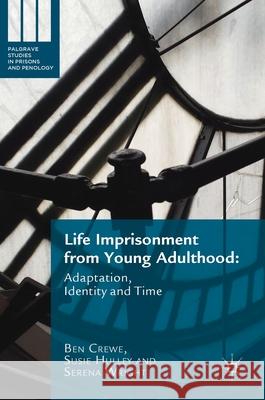
Ben Crewe;Susie Hulley;Serena Wright
Life Imprisonment from Young Adulthood: Adaptation, Identity and Time Crewe, Ben 9781137566003 Palgrave Macmillan - książkaWidoczna okładka, to zdjęcie poglądowe, a rzeczywista szata graficzna może różnić się od prezentowanej.

Life Imprisonment from Young Adulthood: Adaptation, Identity and Time

ISBN-13: 9781137566003 / Angielski / Twarda / 2020 / 340 str.

Ben Crewe;Susie Hulley;Serena Wright
cena 522,07
(netto: 497,21 VAT:  5%)

Najniższa cena z 30 dni: 462,63
Termin realizacji zamówienia:
ok. 22 dni roboczych
Dostawa w 2026 r.

Darmowa dostawa!
inne wydania

This book analyses the experiences of prisoners in England & Wales sentenced when relatively young to very long life sentences (with minimum terms of fifteen years or more). Based on a major study, including almost 150 interviews with men and women at various sentence stages and over 300 surveys, it explores the ways in which long-term prisoners respond to their convictions, adapt to the various challenges that they encounter and re-construct their lives within and beyond the prison. Focussing on such matters as personal identity, relationships with family and friends, and the management of time, the book argues that long-term imprisonment entails a profound confrontation with the self. It provides detailed insight into how such prisoners deal with the everyday burdens of their situation, feelings of injustice, anger and shame, and the need to find some sense of hope, control and meaning in their lives. In doing so, it exposes the nature and consequences of the life-changing terms of imprisonment that have become increasingly common in recent years.


Kategorie:
Nauka, Prawo i administracja
Kategorie BISAC:
Social Science > Penology
Social Science > Criminology
Psychology > Forensic Psychology
Wydawca:
Palgrave Macmillan
Język:
Angielski
ISBN-13:
9781137566003
Rok wydania:
2020
Wydanie:
2020
Numer serii:
000468545
Ilość stron:
340
Waga:
0.58 kg
Wymiary:
21.01 x 14.81 x 2.06
Oprawa:
Twarda
Wolumenów:
01
Dodatkowe informacje:
Wydanie ilustrowane

"The book offers a valuable and important contribution to sociological literature on long-term and life imprisonment. ... The book presents honest and authentic accounts to reconsider the challenging implications of the topics explored. It contributes to social, criminological and geographical studies of incarceration and life course literature and will be of great interest to readers across these fields." (Jayne Price, The British Journal of Criminology, April 21, 2020)

Chapter One ..............................................................................................................................................
Introduction...............................................................................................................................
The abolition of capital punishment and the growth of the long life sentence ...............................
The ‘tariff’ system for life-sentenced prisoners ................................................................................
The Criminal Justice Act 2003 (Schedule 21).....................................................................................
The up-tariffing of ‘knife homicides’ and the rise of ‘joint enterprise’ .............................................
Defining ‘long-term’ imprisonment...................................................................................................
Understanding long-term imprisonment ..........................................................................................
The impact of long-term imprisonment ............................................................................................
Long-term imprisonment from young adulthood .............................................................................


Chapter Two ..............................................................................................................................................
Methods   ....................................................................................................................................
Research design .................................................................................................................................
Access ................................................................................................................................................
Ethics..................................................................................................................................................
Interviews ..........................................................................................................................................
Interview sample ..........................................................................................................................
Surveys............................................................................................................................................... Development of the survey instrument .......................................................................................
Conducting team research ................................................................................................................
The research process .........................................................................................................................
Interviewing women .....................................................................................................................
Analysis ..............................................................................................................................................
Interview analysis .........................................................................................................................
Survey analysis..............................................................................................................................
Methodological issues .......................................................................................................................


Chapter Three............................................................................................................................................
Pen  portraits  ..............................................................................................................................
 
Seb, 20s, early-stage ..........................................................................................................................
Gail, late-stage ...................................................................................................................................
Campbell, 30s, mid-stage ..................................................................................................................
Deena, 20s, mid-stage .......................................................................................................................
Richard, 50s, post-tariff .....................................................................................................................
Mahmood, 30s, mid-stage.................................................................................................................


Chapter Four..............................................................................................................................................
The early years ......................................................................................................................................
Being ‘in shock’: acute stress reactions to conviction, sentencing and initial incarceration ............ Post-conviction: the initial pains of long indeterminate sentences.................................................. Existential dislocation and biographical rupture...............................................................................
The affective dimensions of long indeterminate sentences ............................................................. Anger.............................................................................................................................................
Surviving the early stage....................................................................................................................
Suppression ..................................................................................................................................
Escape ...........................................................................................................................................
‘Jailing’ ..........................................................................................................................................
Sublimation ...................................................................................................................................
Concluding comments: ‘you just cope; you've got no other choice’ ................................................

Chapter Five...............................................................................................................................................
Coping and Adaptation .........................................................................................................................
Stasis and survival ..............................................................................................................................
‘Coming to terms’ ..............................................................................................................................
‘Settling down’ and moving on: precipitating factors ....................................................................... Discourses of adaptation ...................................................................................................................
Control ...............................................................................................................................................
Hope, meaning and purpose
Hope, meaning, purpose and coping: faith and education
Coping, faith and education
Doing time, authority and compliance ..............................................................................................
Enduring and emergent problems.....................................................................................................
Projects and concerns........................................................................................................................
Discussion ..........................................................................................................................................
 

Chapter Six.................................................................................................................................................
Social relations ......................................................................................................................................
Dislocation of social world – natal and nuclear family......................................................................
The rupturing of intimate relationships .......................................................................................
Estrangement from family ............................................................................................................
Worries about family .........................................................................................................................
Impact on family members’ psychological and physical wellbeing.............................................. Impact on family life .....................................................................................................................
Repercussions for family ..............................................................................................................
Compromised role identities .............................................................................................................
Male prisoners as sons .................................................................................................................
Women as mothers ......................................................................................................................
Dislocation from social world - peers ................................................................................................
Reforming a social world in prison ....................................................................................................
Conclusion..........................................................................................................................................


Chapter Seven ...........................................................................................................................................
Identity and the self ..............................................................................................................................
Dislocation from the self ...................................................................................................................
Social dislocation and self-identity ....................................................................................................
Environmental demands...............................................................................................................
Self-reconstruction (i): implications of the offence for identity........................................................
Self-reconstruction (ii): making sense of the changing self............................................................... The ethical self ............................................................................................................................
Post-traumatic growth and the ‘stronger, better self’ ................................................................. The more mature self ...................................................................................................................
Finding the ‘real me’: The developed authentic self ........................................................................

Chapter Eight.............................................................................................................................................
Time and place ......................................................................................................................................
Temporal vertigo ...............................................................................................................................
Living ‘day-by-day’ .............................................................................................................................
Time strategies ..................................................................................................................................
The experience of time ......................................................................................................................
 
The prison as a non-place ..................................................................................................................


Time strategies II ...............................................................................................................................
Contextual maturity...........................................................................................................................
Time and release................................................................................................................................
Conclusion..........................................................................................................................................

Chapter Nine .............................................................................................................................................
Discussion ..............................................................................................................................................

Ben Crewe is Deputy Director of the Prisons Research Centre at the Institute of Criminology, University of Cambridge, UK. He is interested in all aspects of prison life, including prison management, staff-prisoner relationships, public and private sector imprisonment, penal power and prisoner social life.

Susie Hulley is a Senior Research Associate at the Institute of Criminology, University of Cambridge, UK. She is interested in how young people are affected by the criminal justice system, particularly their experiences of criminalisation and imprisonment. Her recent work focuses on the application of ‘joint enterprise’ by criminal justice practitioners (including lawyers and the police) and the impact of this legal doctrine on young people.

Serena Wright is a researcher and Lecturer in Criminology in the Department of Law and Criminology at Royal Holloway, University of London, UK. Her research on prisons and penology has focused on short-term sentences and post-release ‘frustrated desistance’ among women, and the experience of long-term incarceration among life-sentenced prisoners.. She is particularly interested in the intersection between trauma, addiction, and criminalisation, and between health, gender and criminal justice. 

This book analyses the experiences of prisoners in England & Wales sentenced when relatively young to very long life sentences (with minimum terms of fifteen years or more). Based on a major study, including almost 150 interviews with men and women at various sentence stages and over 300 surveys, it explores the ways in which long-term prisoners respond to their convictions, adapt to the various challenges that they encounter and re-construct their lives within and beyond the prison. Focussing on such matters as personal identity, relationships with family and friends, and the management of time, the book argues that long-term imprisonment entails a profound confrontation with the self. It provides detailed insight into how such prisoners deal with the everyday burdens of their situation, feelings of injustice, anger and shame, and the need to find some sense of hope, control and meaning in their lives. In doing so, it exposes the nature and consequences of the life-changing terms of imprisonment that have become increasingly common in recent years.




Udostępnij

Facebook - konto krainaksiazek.pl


Opinie o Krainaksiazek.pl na Opineo.pl

Partner Mybenefit

Krainaksiazek.pl w programie rzetelna firma Krainaksiaze.pl - płatności przez paypal

Czytaj nas na:

Facebook - krainaksiazek.pl
  • książki na zamówienie
  • granty
  • książka na prezent
  • kontakt
  • pomoc
  • opinie
  • regulamin
  • polityka prywatności

Zobacz:

  • Księgarnia czeska

  • Wydawnictwo Książkowe Klimaty

1997-2025 DolnySlask.com Agencja Internetowa

© 1997-2022 krainaksiazek.pl
     
KONTAKT | REGULAMIN | POLITYKA PRYWATNOŚCI | USTAWIENIA PRYWATNOŚCI
Zobacz: Księgarnia Czeska | Wydawnictwo Książkowe Klimaty | Mapa strony | Lista autorów
KrainaKsiazek.PL - Księgarnia Internetowa

Polityka prywatnosci - link
Krainaksiazek.pl - płatnośc Przelewy24
Przechowalnia Przechowalnia




