• Wyszukiwanie zaawansowane
  • Kategorie
  • Kategorie BISAC
  • Książki na zamówienie
  • Promocje
  • Granty
  • Książka na prezent
  • Opinie
  • Pomoc
  • Załóż konto
  • Zaloguj się

Learning Science Through Drama: Exploring international perspectives » książka


zaloguj się | załóż konto
Logo Krainaksiazek.pl

koszyk

konto

szukaj
topmenu
Księgarnia internetowa
Szukaj
Książki na zamówienie
Promocje
Granty
Książka na prezent
Moje konto
Pomoc
 
 
Wyszukiwanie zaawansowane
Pusty koszyk
Bezpłatna dostawa dla zamówień powyżej 20 złBezpłatna dostawa dla zamówień powyżej 20 zł

Kategorie główne

• Nauka
 [2946912]
• Literatura piękna
 [1852311]

  więcej...
• Turystyka
 [71421]
• Informatyka
 [150889]
• Komiksy
 [35717]
• Encyklopedie
 [23177]
• Dziecięca
 [617324]
• Hobby
 [138808]
• AudioBooki
 [1671]
• Literatura faktu
 [228371]
• Muzyka CD
 [400]
• Słowniki
 [2841]
• Inne
 [445428]
• Kalendarze
 [1545]
• Podręczniki
 [166819]
• Poradniki
 [480180]
• Religia
 [510412]
• Czasopisma
 [525]
• Sport
 [61271]
• Sztuka
 [242929]
• CD, DVD, Video
 [3371]
• Technologie
 [219258]
• Zdrowie
 [100961]
• Książkowe Klimaty
 [124]
• Zabawki
 [2341]
• Puzzle, gry
 [3766]
• Literatura w języku ukraińskim
 [255]
• Art. papiernicze i szkolne
 [7810]
Kategorie szczegółowe BISAC

Learning Science Through Drama: Exploring international perspectives

ISBN-13: 9783031173493 / Angielski / Twarda / 2023 / 325 str.
Debra McGregor; Dayle Anderson
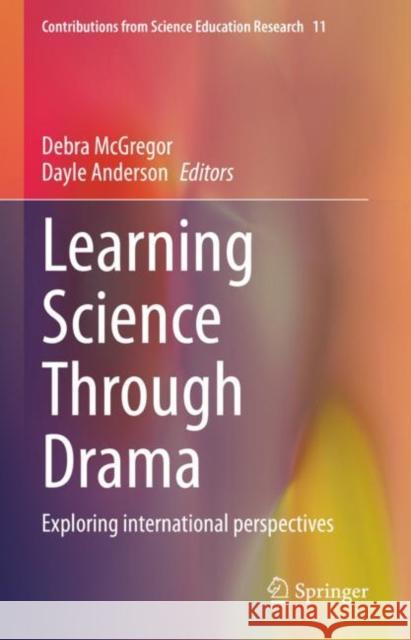
Learning Science Through Drama: Exploring international perspectives Debra McGregor Dayle Anderson 9783031173493 Springer - książkaWidoczna okładka, to zdjęcie poglądowe, a rzeczywista szata graficzna może różnić się od prezentowanej.

Learning Science Through Drama: Exploring international perspectives

ISBN-13: 9783031173493 / Angielski / Twarda / 2023 / 325 str.

Debra McGregor; Dayle Anderson
cena 642,56
(netto: 611,96 VAT:  5%)

Najniższa cena z 30 dni: 578,30
Termin realizacji zamówienia:
ok. 22 dni roboczych
Dostawa w 2026 r.

Darmowa dostawa!
inne wydania

This book presents a wide range of international perspectives that explore the different ways the diverse forms of drama supports learning in science. It illustrates how learning science by adopting and adapting theatrical techniques can offer more inclusive ways for students to relate to scientific ideas and concepts. The theatrical processes by which subject matter can be introduced, thought about, discussed, transformed, enacted and disseminated are shown to be endless. The first section of the book considers different ways of theorising and applying drama in classrooms. The second section provides a range of case studies illustrating how role play, performance, embodiment and enquiry approaches can be utilised for learning in primary, secondary and tertiary education contexts. The third section demonstrates how different research methods from questionnaires, particular kinds of tests and even the theatrical conventions themselves can provide rich data that informs how drama impacts on learning science.


This book presents a wide range of international perspectives that explore the different ways the diverse forms of drama supports learning in science. It illustrates how learning science by adopting and adapting theatrical techniques can offer more inclusive ways for students to relate to scientific ideas and concepts. The theatrical processes by which subject matter can be introduced, thought about, discussed, transformed, enacted and disseminated are shown to be endless. The first section of the book considers different ways of theorising and applying drama in classrooms. The second section provides a range of case studies illustrating how role play, performance, embodiment and enquiry approaches can be utilised for learning in primary, secondary and tertiary education contexts. The third section demonstrates how different research methods from questionnaires, particular kinds of tests and even the theatrical conventions themselves can provide rich data that informs how drama impacts on learning science.

Kategorie:
Podręczniki
Kategorie BISAC:
Science > Study & Teaching
Education > Teaching - Subjects - Arts & Humanities
Wydawca:
Springer
Seria wydawnicza:
Contributions from Science Education Research
Język:
Angielski
ISBN-13:
9783031173493
Rok wydania:
2023
Dostępne języki:
Numer serii:
000470145
Ilość stron:
325
Oprawa:
Twarda
Dodatkowe informacje:
Wydanie ilustrowane

Chapter 1. Introduction (D. McGregor).- Part I: Literature Reviews.- Chapter 2. Theorising about the use of drama, theatre, script and performance in learning science (A. Bonsall).- Chapter 3. ‘Holy’ science drama. Learning from theory in theatre (M. Braund).- Chapter 4. Drama conventions : Theoretical consideration of the ways they offer affordances or constrain science learning (D. McGregor).- Chapter 5. Exploring the use of role play : Theorising about what it offers for learning science? (M. Odegaard).- Part II: Empirical Case Studies .- Chapter 6. Crossing borders : Examining what is required for teachers to use physical role-plays effectively (M. Braund).- Chapter 7. Equal partnerships: integrating science and drama to support learning about the Nature of Science in New Zealand primary classrooms (D. Baskerville and D. Anderson).- Chapter 8. A drama-based approach to engage secondary students in environmental issues (R. Verhoeff).- Chapter 9. Embodied Learning: A Study of Drama Conventions to Represent Ideas about the Solar System (M. Branscombe).- Chapter 10. Collaborative and Reflexive approaches to teaching about complex issues in science : Dramatising learning about stem cells (P. White and Rapheal).- Chapter 11. Reflecting on performance and the audience : lessons from practice (Z. Smyrnaiou).- Part III: Research methodologies and methods appropriate to research the impact of drama pedagogy.- Chapter 12. Transcribing videoed material to explore the nature of talk in science lessons using drama (S. Frodsham and D. McGregor).- Chapter 13. Using drama conventions as data collection tools: Pathways through a design-based research approach to refine a drama-science guided inquiry process (D. Anderson and D. Baskervile).- Chapter 14. Researching the process and outcomes of positioning children in-role : Analysing varied forms of data including dialogue, observations, interviews and assessments (C. Swanson).- Chapter 15. Impactful drama : using mixed methods to assess learning (B. Stagg).- Chapter 16. ‘Act a scientist Test’ : What does a deductive content analysis show? (J. Turkka).- Part IV: Reflections on researching learning science through the use of drama.- Chapter 17. Discussion (J. Neelands).- Chapter 18. Conclusion (D. McGregor).

Professor Debra (Deb) McGregor works at Oxford Brookes University. She has also worked in a variety of science education positions in primary, secondary and higher education. She has worked in teacher education for over 25 years in Connecticut, USA; Keele University and as Assistant Director of the Centre for Development and Research in Wolverhampton, UK. Her passion for creativity is brought into being through an aspect of her research and development work with teachers on the ways drama can support active and participatory learning in science classrooms.

Dr Dayle Anderson an Adjunct Research Fellow at Ako Pai o Te Herenga Waka, the Faculty of Education at Victoria University of Wellington, New Zealand. She has worked as a scientist, primary teacher, deputy principal, and for many years as a teacher educator and researcher in the field of primary science education. Her focus is on supporting primary teachers to develop science programmes that involve students in learning that builds capabilities for confident and competent engagement with science as citizens.


This book presents a wide range of international perspectives that explore the different ways the diverse forms of drama supports learning in science. It illustrates how learning science by adopting and adapting theatrical techniques can offer more inclusive ways for students to relate to scientific ideas and concepts. The theatrical processes by which subject matter can be introduced, thought about, discussed, transformed, enacted and disseminated are shown to be endless. The first section of the book considers different ways of theorising and applying drama in classrooms. The second section provides a range of case studies illustrating how role play, performance, embodiment and enquiry approaches can be utilised for learning in primary, secondary and tertiary education contexts. The third section demonstrates how different research methods from questionnaires, particular kinds of tests and even the theatrical conventions themselves can provide rich data that informs how drama impacts on learning science.




Udostępnij

Facebook - konto krainaksiazek.pl


Opinie o Krainaksiazek.pl na Opineo.pl

Partner Mybenefit

Krainaksiazek.pl w programie rzetelna firma Krainaksiaze.pl - płatności przez paypal

Czytaj nas na:

Facebook - krainaksiazek.pl
  • książki na zamówienie
  • granty
  • książka na prezent
  • kontakt
  • pomoc
  • opinie
  • regulamin
  • polityka prywatności

Zobacz:

  • Księgarnia czeska

  • Wydawnictwo Książkowe Klimaty

1997-2025 DolnySlask.com Agencja Internetowa

© 1997-2022 krainaksiazek.pl
     
KONTAKT | REGULAMIN | POLITYKA PRYWATNOŚCI | USTAWIENIA PRYWATNOŚCI
Zobacz: Księgarnia Czeska | Wydawnictwo Książkowe Klimaty | Mapa strony | Lista autorów
KrainaKsiazek.PL - Księgarnia Internetowa

Polityka prywatnosci - link
Krainaksiazek.pl - płatnośc Przelewy24
Przechowalnia Przechowalnia



