• Wyszukiwanie zaawansowane
  • Kategorie
  • Kategorie BISAC
  • Książki na zamówienie
  • Promocje
  • Granty
  • Książka na prezent
  • Opinie
  • Pomoc
  • Załóż konto
  • Zaloguj się

Large White Butterfly: The Biology, Biochemistry and Physiology of Pieris Brassicae (Linnaeus) » książka


zaloguj się | załóż konto
Logo Krainaksiazek.pl

koszyk

konto

szukaj
topmenu
Księgarnia internetowa
Szukaj
Książki na zamówienie
Promocje
Granty
Książka na prezent
Moje konto
Pomoc
 
 
Wyszukiwanie zaawansowane
Pusty koszyk
Bezpłatna dostawa dla zamówień powyżej 20 złBezpłatna dostawa dla zamówień powyżej 20 zł

Kategorie główne

• Nauka
 [2950560]
• Literatura piękna
 [1849509]

  więcej...
• Turystyka
 [71097]
• Informatyka
 [151150]
• Komiksy
 [35848]
• Encyklopedie
 [23178]
• Dziecięca
 [617388]
• Hobby
 [139064]
• AudioBooki
 [1657]
• Literatura faktu
 [228597]
• Muzyka CD
 [383]
• Słowniki
 [2855]
• Inne
 [445295]
• Kalendarze
 [1464]
• Podręczniki
 [167547]
• Poradniki
 [480102]
• Religia
 [510749]
• Czasopisma
 [516]
• Sport
 [61293]
• Sztuka
 [243352]
• CD, DVD, Video
 [3414]
• Technologie
 [219456]
• Zdrowie
 [101002]
• Książkowe Klimaty
 [124]
• Zabawki
 [2311]
• Puzzle, gry
 [3459]
• Literatura w języku ukraińskim
 [254]
• Art. papiernicze i szkolne
 [8079]
Kategorie szczegółowe BISAC

Large White Butterfly: The Biology, Biochemistry and Physiology of Pieris Brassicae (Linnaeus)

ISBN-13: 9789400986404 / Angielski / Miękka / 2011 / 564 str.
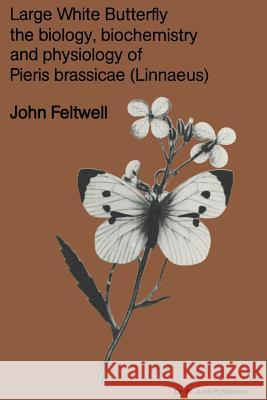
J. Feltwell
Large White Butterfly: The Biology, Biochemistry and Physiology of Pieris Brassicae (Linnaeus) Feltwell, J. 9789400986404 Springer - książkaWidoczna okładka, to zdjęcie poglądowe, a rzeczywista szata graficzna może różnić się od prezentowanej.

Large White Butterfly: The Biology, Biochemistry and Physiology of Pieris Brassicae (Linnaeus)

ISBN-13: 9789400986404 / Angielski / Miękka / 2011 / 564 str.

J. Feltwell
cena 201,24
(netto: 191,66 VAT:  5%)

Najniższa cena z 30 dni: 192,74
Termin realizacji zamówienia:
ok. 22 dni roboczych
Dostawa w 2026 r.

Darmowa dostawa!

The literature is still one of our biggest frustrations to-day. There is, in one sense, too much of it, and in another not enough - for there are insufficient and inadequate published guidelines through this jungle. Last year two excellent books for students of ecological chemistry were published, one in France and one in England. The concordance of the references was a mere overall 3% rising to 7% in the chapters on pheromones. Even in the computer age, the channel remains a formidable barrier to the rapid exchange of biological information. At the present time we are in urgent need of compilations similar to John Feltwell's "The Large White Butterfly"; since the literature has become virtually unmanageable. This insect is now a demonstration object in the sixth form schoolroom; an experimental "rabbit" in the University laboratory; a test animal in virus and bacterial research projects; a tool for the study of flight mechanisms, migration, plant biochemistry, hormones, genetics, allergies, pigments, mimicry, etc. , etc. John Feltwell has, by this massive compilation, rendered us a great service - in fact he has given us a present of 4,000 hours of library time spent in 50 different libraries in seven countries. In the process he has collected 8000 references to the Large White. Of these, 4000 have been selected, and we are given a brief indication of their contents.


Kategorie:
Nauka, Biologia i przyroda
Kategorie BISAC:
Nature > Animals - Butterflies & Moths
Science > Life Sciences - Evolution
Wydawca:
Springer
Seria wydawnicza:
Series Entomologica
Język:
Angielski
ISBN-13:
9789400986404
Rok wydania:
2011
Wydanie:
1982
Numer serii:
000037618
Ilość stron:
564
Waga:
0.85 kg
Wymiary:
23.5 x 15.5
Oprawa:
Miękka
Wolumenów:
01

1. Nomenclature.- Section A. Classification of Pieris brassicae.- - Classification and derivation of P. brassicae.- - Generic names and classification.- - Common names.- - P. brassicae and its subspecies.- Section B. Infrasubspecific variation and nomenclature.- - Aberrations.- - Some major aberrations.- - Un-named aberrations.- - Other aberrations of note.- - Seasonal variation.- References cited.- Further references.- 2. Distribution.- - Introduction.- - World range (Europe, Middle East, North Africa, Indian subcontinent, U.S.S.R., Far East, Australia and New Zealand, South America).- References cited.- Further references.- 3. Life history.- - Original descriptions.- - Life cycle.- - Eclosion.- - Courtship.- - Copulation.- - Roosting site.- - Voltinism.- - Abundance.- - Natural checks of populations.- - Intraspecific relationships.- References cited.- Further references.- 4. Foodplants.- - Introduction.- - Principal foodplants.- - Unusual foodplants.- - Acceptability.- References cited.- Further references.- 5. Breeding.- - Introduction.- - Breeding.- - Synthetic diets.- - Current research on P. brassicae.- References cited.- 6. Development.- Section A. Imaginal discs.- - Larva.- - Pupa.- Section B. Larval development.- a) Weight relationships.- b) Size relationships.- c) Food consumption, utilisation and energetics.- d) Frass drop frequency.- e) Effect of light.- f) Effect of temperature.- g) Temperature limitations in the wild.- h) Effect of population density.- i) Effect of humidity.- j) Effect of food.- References cited.- Further references.- 7. Morphology and Anatomy.- General introduction.- Section A. Morphology.- - Ovum.- - Larva.- - Pupa.- - Imago.- Section B. Anatomy.- - Fat body.- - Reproduction system.- - Digestive system.- - Glands.- - Blood system.- - Central nervous system.- - Muscular system.- - Locomotion.- References cited.- 8. Physiology.- - Colouration of the larva and pupa.- - Diapause.- - Excretion.- - Respiration.- References cited.- Further references.- 9. Hormones.- - Early work.- - Introduction.- - Sites of secretion.- References cited.- 10. Biochemistry.- - Introduction.- - Carbohydrates.- - Lipids.- - Proteins.- - Amino acids.- - Enzymes and coenzymes.- - Vitamins.- - Pigments.- - Nucleotides.- - Mustard oil glycosides.- - Biochemistry of silk.- - Biochemistry of pupal exuviae.- - Radionuclides used on P. brassicae.- - Inorganic ions.- - Sexual similarities and differences.- References cited.- Further references.- 11. Migration.- - Introduction.- - Examples of migration.- - Mark and recapture.- References cited.- Further references.- 12. Senses.- - Introduction.- - Visual senses.- - Olfactory senses.- - Tactile senses.- - Auditory sense.- - Barometric sense.- - Ultra-violet reflectance.- - Thermoregulation.- - Defense mechanisms.- - Chemoreception.- References cited.- Further references.- 13. Economic importance.- - Introduction.- - Depredations by country.- - Estimate of world damage caused by P. brassicae.- References cited.- Further references.- 14. Parasitic control.- Section A. General information.- - Historical background.- - General biology.- - Recorded parasites of Pieris brassicae.- - Concluding remarks.- Section B. Biology of some effective parasites.- - Introduction.- - Egg parasite.- - Larval parasites.- - Pupal parasites.- - Dipterous parasites.- - Ectoparasites.- - Endoparasites.- References cited.- Further references.- 15. Pathogenic control.- General introduction.- Section A. Bacterial control.- a) Bacillus thuringiensis Berliner.- b) Miscellaneous bacteria.- Section B. Virus control.- - Introduction.- - Granulosis virus (GV).- Section C. Fungal control.- Section D. Protozoan control.- References cited.- Further references.- 16. Predators.- - Introduction.- - Bird predators.- - Hymenopterous predators and scavengers.- - Hemipterous predators.- - Coleopterous predators.- - Other insect predators.- - Vertebrate and other miscellaneous predators and scavengers.- References cited.- 17. Chemical control.- - Introduction.- Section A. Control pre-1945.- a) Anecdotal methods.- b) Nauseous smelling plants.- c) Insecticides derived from plants.- d) Early chemical methods.- Section B. Control post-1945 in the field.- Section C. P. brassicae as laboratory insect for insecticide use.- a) Organic insecticides.- b) Phenylurea derivatives.- c) Juvenile hormone analogues.- d) Plant extracts: Azadirachtin.- Section D. Current chemical control of P. brassicae infestations.- - Toxicity to parasites and other invertebrates.- References cited.- Further references.- 18. Integrated control.- References cited.- Botanical specific name index.- Zoological specific name index.


Udostępnij

Facebook - konto krainaksiazek.pl


Opinie o Krainaksiazek.pl na Opineo.pl

Partner Mybenefit

Krainaksiazek.pl w programie rzetelna firma Krainaksiaze.pl - płatności przez paypal

Czytaj nas na:

Facebook - krainaksiazek.pl
  • książki na zamówienie
  • granty
  • książka na prezent
  • kontakt
  • pomoc
  • opinie
  • regulamin
  • polityka prywatności

Zobacz:

  • Księgarnia czeska

  • Wydawnictwo Książkowe Klimaty

1997-2025 DolnySlask.com Agencja Internetowa

© 1997-2022 krainaksiazek.pl
     
KONTAKT | REGULAMIN | POLITYKA PRYWATNOŚCI | USTAWIENIA PRYWATNOŚCI
Zobacz: Księgarnia Czeska | Wydawnictwo Książkowe Klimaty | Mapa strony | Lista autorów
KrainaKsiazek.PL - Księgarnia Internetowa

Polityka prywatnosci - link
Krainaksiazek.pl - płatnośc Przelewy24
Przechowalnia Przechowalnia






