• Wyszukiwanie zaawansowane
  • Kategorie
  • Kategorie BISAC
  • Książki na zamówienie
  • Promocje
  • Granty
  • Książka na prezent
  • Opinie
  • Pomoc
  • Załóż konto
  • Zaloguj się

Land, Development and Design » książka


zaloguj się | załóż konto
Logo Krainaksiazek.pl

koszyk

konto

szukaj
topmenu
Księgarnia internetowa
Szukaj
Książki na zamówienie
Promocje
Granty
Książka na prezent
Moje konto
Pomoc
 
 
Wyszukiwanie zaawansowane
Pusty koszyk
Bezpłatna dostawa dla zamówień powyżej 20 złBezpłatna dostawa dla zamówień powyżej 20 zł

Kategorie główne

• Nauka
 [2946912]
• Literatura piękna
 [1852311]

  więcej...
• Turystyka
 [71421]
• Informatyka
 [150889]
• Komiksy
 [35717]
• Encyklopedie
 [23177]
• Dziecięca
 [617324]
• Hobby
 [138808]
• AudioBooki
 [1671]
• Literatura faktu
 [228371]
• Muzyka CD
 [400]
• Słowniki
 [2841]
• Inne
 [445428]
• Kalendarze
 [1545]
• Podręczniki
 [166819]
• Poradniki
 [480180]
• Religia
 [510412]
• Czasopisma
 [525]
• Sport
 [61271]
• Sztuka
 [242929]
• CD, DVD, Video
 [3371]
• Technologie
 [219258]
• Zdrowie
 [100961]
• Książkowe Klimaty
 [124]
• Zabawki
 [2341]
• Puzzle, gry
 [3766]
• Literatura w języku ukraińskim
 [255]
• Art. papiernicze i szkolne
 [7810]
Kategorie szczegółowe BISAC

Land, Development and Design

ISBN-13: 9781405198530 / Angielski / Miękka / 2010 / 344 str.
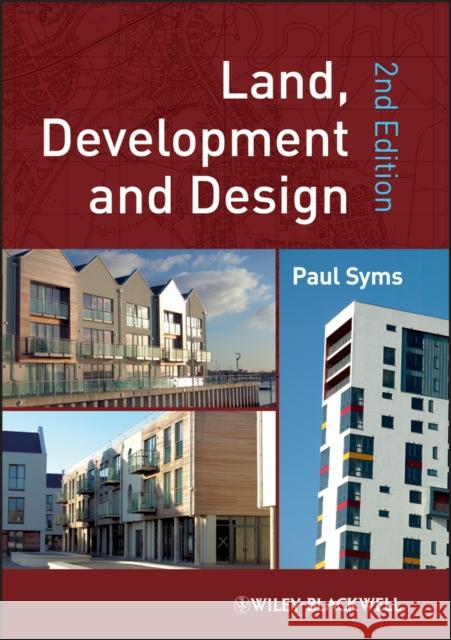
Paul Syms
Land, Development and Design Paul Syms 9781405198530 Wiley-Blackwell - książkaWidoczna okładka, to zdjęcie poglądowe, a rzeczywista szata graficzna może różnić się od prezentowanej.

Land, Development and Design

ISBN-13: 9781405198530 / Angielski / Miękka / 2010 / 344 str.

Paul Syms
cena 326,34
(netto: 310,80 VAT:  5%)

Najniższa cena z 30 dni: 325,00
Termin realizacji zamówienia:
ok. 30 dni roboczych
Dostawa w 2026 r.

Darmowa dostawa!

Development of brownfield land can address shortfalls in the availability of land for housing and other buildings, but these sites present a range of problems that must be overcome in any successful development. Land, Development and Design addresses all of the issues in the context of the reuse of urban land, providing a solid, readable overview of the principles and practice of the regeneration of brownfield sites. Divided into four parts, covering the development process and planning policies; site assessment, risk analysis and remediation of contaminated land; development issues and finally design issues, the principal focus of the book is on the reuse of urban land. It includes a full discussion of contaminated land, so that readers are aware of the issues and options available to resolve this problem. Land, Development and Design has been extensively revised since its first edition and provides final year undergraduate and postgraduate students of both planning and surveying, as well as professional planners, surveyors and developers, a solid and readable overview of the principles and practice of regeneration of the built environment.


Kategorie:
Sztuka, Architektura
Kategorie BISAC:
Architecture > Urban & Land Use Planning
Wydawca:
Wiley-Blackwell
Język:
Angielski
ISBN-13:
9781405198530
Rok wydania:
2010
Ilość stron:
344
Waga:
0.73 kg
Wymiary:
24.13 x 17.02 x 1.78
Oprawa:
Miękka
Wolumenów:
01
Dodatkowe informacje:
Bibliografia

Author Biography.

Preface to First Edition.

Preface to Second Edition.

Part One Planning and Development.

1 The Development Process.

1.1 Introduction.

1.2 The phases of redevelopment.

1.3 The 2008 9 ′credit crunch′ and its impact on property markets.

1.4 Summary.

2 Planning Policies and Development.

2.1 Introduction.

2.2 Planning Policy Statements and Guidance Note.

2.3 The Urban Task Force and the Urban White Paper.

2.4 Urban land–use policies and the National Brownfield Strategy for England.

2.5 The housing Green Paper and land for housing.

2.6 The London Brownfi eld Sites Review.

2.7 Summary.

2.8 Checklist.

3 Project Inception, Developers and Feasibility.

3.1 Introduction.

3.2 Recession and property values.

3.3 Land for development.

3.4 Assessing the market potential.

3.5 Forecasting rents and prices.

3.6 Summary.

3.7 Checklist.

Part Two Land.

4 Site Assembly, Investigation and Assessment.

4.1 Introduction.

4.2 Site assembly.

4.3 The historical study.

4.4 Walk–over survey.

4.5 Intrusive and other forms of site investigation.

4.6 The final report.

4.7 Summary.

4.8 Checklist.

5 Environment and Ecological Considerations.

5.1 Introduction.

5.2 Natural colonisation of brownfi eld land.

5.3 Environmental assessment.

5.4 The importance of landscape.

5.5 Soils and substrates: the platform for development.

5.6 Biodiversity of previously developed land.

5.7 Policy and legislative framework for biodiversity conservation.

5.8 Ecological surveys and the formation of new habitats.

5.9 Land and development in a changing climate.

5.10 The response to climate change.

5.11 Summary.

5.12 Checklist.

6 Heritage and Archaeology.

6.1 Introduction.

6.2 Conservation policies and guidance.

6.3 Planning and the historic environment.

6.4 Archaeology and redevelopment.

6.5 Summary.

6.6 Checklist.

7 Community Involvement in Tackling Blight and Dereliction.

7.1 Introduction.

7.2 Economic and visual blight.

7.3 The benefits of removing blight.

7.4 Skills.

7.5 Summary.

7.6 Checklist.

8 Contaminated Soil and Remediation Methods.

8.1 Introduction.

8.2 European Directives and UK legislation.

8.3 Removal and containment.

8.4 In situ and ex situ treatments.

8.5 The costs of dealing with contamination and dereliction.

8.6 Tackling small sites.

8.7 Land with no development value.

8.8 Summary.

8.9 Checklist.

Part Three Development.

9 Valuation of Damaged and Restored Land.

9.1 Introduction.

9.2 Valuation approaches.

9.3 ′Stigma′ or taking account of ′intangibles′.

9.4 Applying valuation theories in practice.

9.5 Reporting contamination and other damage to land.

9.6 Summary.

9.7 Checklist.

10 Urban Extensions, Infrastructure and Eco–towns.

10.1 Introduction.

10.2 Sustainable urban extensions.

10.3 Infrastructure.

10.4 Eco–towns.

10.5 Summary.

10.6 Checklist.

11 Development Finance.

11.1 Introduction.

11.2 Financial appraisals.

11.3 Financing a new development.

11.4 Types of finance.

11.5 Joint ventures and Special Purpose Vehicles.

11.6 Forward sales and rental guarantees.

11.7 Public–sector finance.

11.8 Summary.

11.9 Checklist.

Part Four Design.

12 Public Realm and Managing Land for Public Benefit.

12.1 Introduction.

12.2 Planning for quality public spaces.

12.3 Urban and rural waterfronts as public spaces.

12.4 The economic value of urban design.

12.5 Summary.

12.6 Checklist.

13 Designing out Crime.

13.1 Introduction.

13.2 The basis for crime preventative design.

13.3 The role of the local authority in promoting design–based approaches to reducing crime.

13.4 Advice on crime preventative design: an outline of UK guidance.

13.5 Case studies in crime preventative design.

13.6 New developments and crime.

13.7 Summary.

13.8 Checklist.

14 Design Standards for Residential and Commercial Developments.

14.1 Introduction.

14.2 Urban design, smart growth and new urbanism.

14.3 Design codes.

14.4 Modern methods of construction (MMC) and zero–carbon homes.

14.5 Development densities and the Code for Sustainable Homes.

14.6 Achieving quality in commercial development.

14.7 Summary.

14.8 Checklist.

15 Planning for the Future.

15.1 Introduction.

15.2 Planning and development.

15.3 Land.

15.4 Development.

15.5 Design.

15.6 Conclusion.

References.

Further Reading.

Web Links.

Index.

Author Biography.

Preface to First Edition.

Preface to Second Edition.

Part One Planning and Development.

1 The Development Process.

1.1 Introduction.

1.2 The phases of redevelopment.

1.3 The 2008 9 ′credit crunch′ and its impact on property markets.

1.4 Summary.

2 Planning Policies and Development.

2.1 Introduction.

2.2 Planning Policy Statements and Guidance Note.

2.3 The Urban Task Force and the Urban White Paper.

2.4 Urban land–use policies and the National Brownfield Strategy for England.

2.5 The housing Green Paper and land for housing.

2.6 The London Brownfi eld Sites Review.

2.7 Summary.

2.8 Checklist.

3 Project Inception, Developers and Feasibility.

3.1 Introduction.

3.2 Recession and property values.

3.3 Land for development.

3.4 Assessing the market potential.

3.5 Forecasting rents and prices.

3.6 Summary.

3.7 Checklist.

Part Two Land.

4 Site Assembly, Investigation and Assessment.

4.1 Introduction.

4.2 Site assembly.

4.3 The historical study.

4.4 Walk–over survey.

4.5 Intrusive and other forms of site investigation.

4.6 The final report.

4.7 Summary.

4.8 Checklist.

5 Environment and Ecological Considerations.

5.1 Introduction.

5.2 Natural colonisation of brownfi eld land.

5.3 Environmental assessment.

5.4 The importance of landscape.

5.5 Soils and substrates: the platform for development.

5.6 Biodiversity of previously developed land.

5.7 Policy and legislative framework for biodiversity conservation.

5.8 Ecological surveys and the formation of new habitats.

5.9 Land and development in a changing climate.

5.10 The response to climate change.

5.11 Summary.

5.12 Checklist.

6 Heritage and Archaeology.

6.1 Introduction.

6.2 Conservation policies and guidance.

6.3 Planning and the historic environment.

6.4 Archaeology and redevelopment.

6.5 Summary.

6.6 Checklist.

7 Community Involvement in Tackling Blight and Dereliction.

7.1 Introduction.

7.2 Economic and visual blight.

7.3 The benefits of removing blight.

7.4 Skills.

7.5 Summary.

7.6 Checklist.

8 Contaminated Soil and Remediation Methods.

8.1 Introduction.

8.2 European Directives and UK legislation.

8.3 Removal and containment.

8.4 In situ and ex situ treatments.

8.5 The costs of dealing with contamination and dereliction.

8.6 Tackling small sites.

8.7 Land with no development value.

8.8 Summary.

8.9 Checklist.

Part Three Development.

9 Valuation of Damaged and Restored Land.

9.1 Introduction.

9.2 Valuation approaches.

9.3 ′Stigma′ or taking account of ′intangibles′.

9.4 Applying valuation theories in practice.

9.5 Reporting contamination and other damage to land.

9.6 Summary.

9.7 Checklist.

10 Urban Extensions, Infrastructure and Eco–towns.

10.1 Introduction.

10.2 Sustainable urban extensions.

10.3 Infrastructure.

10.4 Eco–towns.

10.5 Summary.

10.6 Checklist.

11 Development Finance.

11.1 Introduction.

11.2 Financial appraisals.

11.3 Financing a new development.

11.4 Types of finance.

11.5 Joint ventures and Special Purpose Vehicles.

11.6 Forward sales and rental guarantees.

11.7 Public–sector finance.

11.8 Summary.

11.9 Checklist.

Part Four Design.

12 Public Realm and Managing Land for Public Benefit.

12.1 Introduction.

12.2 Planning for quality public spaces.

12.3 Urban and rural waterfronts as public spaces.

12.4 The economic value of urban design.

12.5 Summary.

12.6 Checklist.

13 Designing out Crime.

13.1 Introduction.

13.2 The basis for crime preventative design.

13.3 The role of the local authority in promoting design–based approaches to reducing crime.

13.4 Advice on crime preventative design: an outline of UK guidance.

13.5 Case studies in crime preventative design.

13.6 New developments and crime.

13.7 Summary.

13.8 Checklist.

14 Design Standards for Residential and Commercial Developments.

14.1 Introduction.

14.2 Urban design, smart growth and new urbanism.

14.3 Design codes.

14.4 Modern methods of construction (MMC) and zero–carbon homes.

14.5 Development densities and the Code for Sustainable Homes.

14.6 Achieving quality in commercial development.

14.7 Summary.

14.8 Checklist.

15 Planning for the Future.

15.1 Introduction.

15.2 Planning and development.

15.3 Land.

15.4 Development.

15.5 Design.

15.6 Conclusion.

References.

Further Reading.

Web Links.

Index.

Paul Syms is an Honorary Professor in the Department of Planning and Landscape at the University of Manchester and a Fellow of the Royal Institution of Chartered Surveyors. A Chartered Planning and Development Surveyor by profession he was, between 2004 and 2008, Director of National Brownfield Strategy and National Brownfield Advisor to English Partnerships and the Department for Communities and Local Government (formerly Office of the Deputy Prime Minister). Prior to this he was Professor of Urban Land Use at Sheffield Hallam University.

Development of brownfield land can address shortfalls in the availability of land for housing and other buildings, but these sites present a range of problems that must be overcome in any successful development.

Land, Development and Design addresses all of the issues in the context of the reuse of urban land, providing a solid, readable overview of the principles and practice of the regeneration of brownfield sites. Divided into four parts, covering the development process and planning policies; site assessment, risk analysis and remediation of contaminated land; development issues and finally design issues, the principal focus of the book is on the reuse of urban land. It includes a full discussion of contaminated land, so that readers are aware of the issues and options available to resolve this problem.

Land, Development and Design has been extensively revised since its first edition and provides final year undergraduate and postgraduate students of both planning and surveying, as well as professional planners, surveyors and developers, a solid and readable overview of the principles and practice of regeneration of the built environment.

 

Also Available

Previously Developed Land: Industrial activities and contamination
Second Edition
Paul Syms
Paperback, 9781405106979, 256 pages

Evaluating Sustainable Development: In the built environment
Second Edition
Peter Brandon and Patrizia Lombardi
Hardback, 9781405192583, ca 288 pages

Sustainable Brownfield Regeneration: Liveable places from problem spaces
Tim Dixon, Mike Raco, Philip Catney and David Lerner
Paperback, 9781405144032, 400 Pages


Udostępnij

Facebook - konto krainaksiazek.pl


Opinie o Krainaksiazek.pl na Opineo.pl

Partner Mybenefit

Krainaksiazek.pl w programie rzetelna firma Krainaksiaze.pl - płatności przez paypal

Czytaj nas na:

Facebook - krainaksiazek.pl
  • książki na zamówienie
  • granty
  • książka na prezent
  • kontakt
  • pomoc
  • opinie
  • regulamin
  • polityka prywatności

Zobacz:

  • Księgarnia czeska

  • Wydawnictwo Książkowe Klimaty

1997-2025 DolnySlask.com Agencja Internetowa

© 1997-2022 krainaksiazek.pl
     
KONTAKT | REGULAMIN | POLITYKA PRYWATNOŚCI | USTAWIENIA PRYWATNOŚCI
Zobacz: Księgarnia Czeska | Wydawnictwo Książkowe Klimaty | Mapa strony | Lista autorów
KrainaKsiazek.PL - Księgarnia Internetowa

Polityka prywatnosci - link
Krainaksiazek.pl - płatnośc Przelewy24
Przechowalnia Przechowalnia





