Kant's Worldview: How Judgment Shapes Human Comprehension » książka

topmenu




Kant's Worldview: How Judgment Shapes Human Comprehension
ISBN-13: 9780810144309 / Angielski / Miękka / 2021 / 288 str.
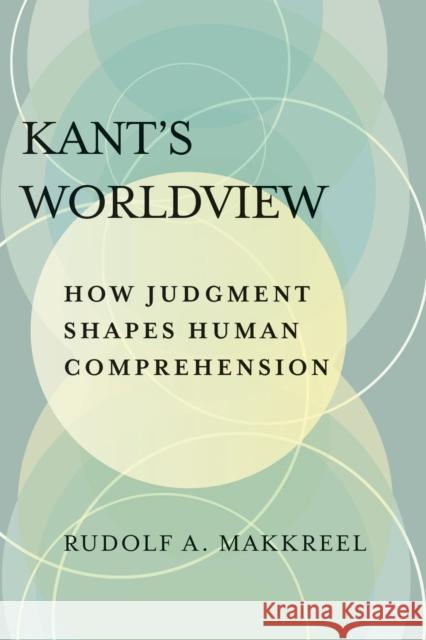
Kant's Worldview: How Judgment Shapes Human Comprehension
ISBN-13: 9780810144309 / Angielski / Miękka / 2021 / 288 str.
cena 143,43
(netto: 136,60 VAT: 5%)
Najniższa cena z 30 dni: 140,54
(netto: 136,60 VAT: 5%)
Najniższa cena z 30 dni: 140,54
Termin realizacji zamówienia:
ok. 30 dni roboczych.
ok. 30 dni roboczych.
Darmowa dostawa!
Kategorie BISAC:
Wydawca:
Northwestern University Press
Język:
Angielski
ISBN-13:
9780810144309
Rok wydania:
2021
Ilość stron:
288
Waga:
0.40 kg
Wymiary:
22.61 x 15.24 x 2.03
Oprawa:
Miękka
Wolumenów:
01
Dodatkowe informacje:
Bibliografia




Czytaj nas na:
Zobacz: Księgarnia Czeska | Wydawnictwo Książkowe Klimaty | Mapa strony | Lista autorów
KrainaKsiazek.PL - Księgarnia Internetowa

KrainaKsiazek.PL - Księgarnia Internetowa

