• Wyszukiwanie zaawansowane
  • Kategorie
  • Kategorie BISAC
  • Książki na zamówienie
  • Promocje
  • Granty
  • Książka na prezent
  • Opinie
  • Pomoc
  • Załóż konto
  • Zaloguj się

Italian Historical Rural Landscapes: Cultural Values for the Environment and Rural Development » książka


zaloguj się | załóż konto
Logo Krainaksiazek.pl

koszyk

konto

szukaj
topmenu
Księgarnia internetowa
Szukaj
Książki na zamówienie
Promocje
Granty
Książka na prezent
Moje konto
Pomoc
 
 
Wyszukiwanie zaawansowane
Pusty koszyk
Bezpłatna dostawa dla zamówień powyżej 20 złBezpłatna dostawa dla zamówień powyżej 20 zł

Kategorie główne

• Nauka
 [2949965]
• Literatura piękna
 [1857847]

  więcej...
• Turystyka
 [70818]
• Informatyka
 [151303]
• Komiksy
 [35733]
• Encyklopedie
 [23180]
• Dziecięca
 [617748]
• Hobby
 [139972]
• AudioBooki
 [1650]
• Literatura faktu
 [228361]
• Muzyka CD
 [398]
• Słowniki
 [2862]
• Inne
 [444732]
• Kalendarze
 [1620]
• Podręczniki
 [167233]
• Poradniki
 [482388]
• Religia
 [509867]
• Czasopisma
 [533]
• Sport
 [61361]
• Sztuka
 [243125]
• CD, DVD, Video
 [3451]
• Technologie
 [219309]
• Zdrowie
 [101347]
• Książkowe Klimaty
 [123]
• Zabawki
 [2362]
• Puzzle, gry
 [3791]
• Literatura w języku ukraińskim
 [253]
• Art. papiernicze i szkolne
 [7933]
Kategorie szczegółowe BISAC

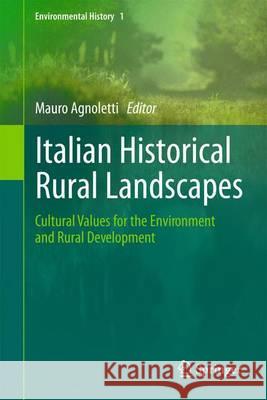
Italian Historical Rural Landscapes: Cultural Values for the Environment and Rural Development

ISBN-13: 9789400753532 / Angielski / Twarda / 2012 / 550 str.
Mauro Agnoletti
Italian Historical Rural Landscapes: Cultural Values for the Environment and Rural Development Agnoletti, Mauro 9789400753532 Springer - książkaWidoczna okładka, to zdjęcie poglądowe, a rzeczywista szata graficzna może różnić się od prezentowanej.

Italian Historical Rural Landscapes: Cultural Values for the Environment and Rural Development

ISBN-13: 9789400753532 / Angielski / Twarda / 2012 / 550 str.

Mauro Agnoletti
cena 605,23
(netto: 576,41 VAT:  5%)

Najniższa cena z 30 dni: 578,30
Termin realizacji zamówienia:
ok. 22 dni roboczych
Bez gwarancji dostawy przed świętami

Darmowa dostawa!
inne wydania

Sustainable development and rural policies have pursued strategies where farming has been often regarded as a factor deteriorating the ecosystem. But the current economic, social and environmental problems of the Earth probably call for examples of a positive integration between human society and nature. This research work presents more than a hundred case studies where the historical relationships between man and nature have generated, not deterioration, but cultural, environmental, social and economic values. The results show that is not only the economic face of globalization that is negatively affecting the landscape, but also inappropriate environmental policies. The CBD-UNESCO program on biocultural diversity, the FAO Globally Important Agricultural Heritage Systems and several projects of the International Union of Forest Research Organizations, as well as European rural policies acknowledge the importance of cultural values associated to landscape. This research intends to support these efforts.


Kategorie:
Nauka, Polityka
Kategorie BISAC:
History > General
Political Science > Public Policy - City Planning & Urban Development
Technology & Engineering > Agriculture - Forestry
Wydawca:
Springer
Seria wydawnicza:
Environmental History
Język:
Angielski
ISBN-13:
9789400753532
Rok wydania:
2012
Wydanie:
2013
Ilość stron:
550
Wymiary:
23.5 x 15.5
Oprawa:
Twarda
Wolumenów:
01

1. The Italian historical rural landscapes: dynamics, data analysis and research findings (Mauro Agnoletti).- 2. Assessing the integrity of the historical landscapes. Three case studies in some terraced areas (Mauro Agnoletti, Antonio Santoro, Lorenzo Gardin).- 3. The role of historical rural landscapes in territorial planning (Alberto Magnaghi).- 4. Rural landscapes: the historical roots of biodiversity (Roberta Cevasco, Diego Moreno).- 5. Landscape and economy (Tiziano Tempesta).- 6. Valle d’Aosta.- 6.1. High-mountain pastures of the Dame de Challant.- 6.2. The heroic viticulture of the Dora Baltea area.- 7. Piedmont.- 7.1. Pastures of Raschera.- 7.2. The plateau of the Vauda.- 7.3. The Baraggia land in the Vercelli and Biella.- 7.4. Wood of Partecipanza of Trino.- 7.5. The San Michele farmhouse.- 7.6. The wooded pastures of Roccaverano.- 7.7. Historical polyculture of Valle Uzzone.- 7.8. The Galarei vineyard.- 8. Liguria.- 8.1. Chestnut orchards in the Alta Val Bormida.- 8.2. Wooded olive groves of Lucinasco.- 8.3. Terraced and irrigated chestnut groves and vegetable gardens in Alta Valle Sturla.- 8.4. Peri-urban vegetable gardens in the valley of the Entella river.- 8.5. Wooded meadows and pastures in the Santo Stefano cheese area.- 8.6. Terraced hazelnut groves of Tigullio.- 8.7. Low-growing terraced vineyards of Tramonti.- 9. Lombardy.- 9.1. The baulati fields of Casalasco.- 9.2. The Banina Hill.- 9.3. Morainic hills of the Lower Garda.- 9.4. Lemon orchards on the Garda Lake .- 9.5. The marcite of the irrigated plain.- 9.6. Bird-catching sites in Lombardy.- 9.7. Val Muggiasca.- 9.8. Terraced vineyards of the Valtellina. 10. Trentino – Alto Adige.- Alto Adige.- 10.1. The meadows and wooded pastures of Salten.- 10.2. Terraced vineyards of Santa Maddalena.- Trentino.- 10.1. The fir and spruce woods of Val Cadino.- 10.2. The vineyards of Val di Cembra.- 11. Friuli Venezia Giulia.- 11.1. The hills of Polazzo in the Carso.- 11.2. The Plasencis countryside.- 11.3. Rosazzo Abbey Hill.- 11.4. The Ampezzo forest and the Lumiei valley.- 11.5. The magredi of Vivaro.- 12. Veneto.- 12.1. Plateau of Tretto.- 12.2. TheWoods of Cansiglio.- 12.3. Vineyard Hills between Tarzo and Valdobbiadene .- 12.4. The fief of the Counts of Collalto.- 12.5. The Palù del Quartier del Piave Area.- 12.6. The Ca’ Tron Farm.- 12.7. The vineyards of Fonzaso.- 13. Emilia Romagna.- 13.1. Chestnut orchards of the Lavino area.- 13.2. Valli Le Partite reclamation district.- 13.3. Olive orchards of the Lamone valley.- 13.4. The Partecipanze Centopievesi.- 13.5. The San Vitale Pinewoods.- 13.6. Diamantina estate.- 14.Tuscany.- 14.1. The fir forest of the Monastery of Vallombrosa.- 14.2. The biancane of Val d’Orcia.- 14.3. The monumental chestnut groves of the Scesta valley.- 14.4. Hill of Fiesole.- 14.5. The montagnola senese of Spannocchia.- 14.6. Landscape mosaic of Montalbano.- 14.7. Silvo-pastoral landscapes of Moscheta.- 14.8. Terraced vineyards of Lamole.- 15. Marche.- 15.1. The plateau of Macereto.- 15.2. Hills of Maiolati Spontini.- 15.3. Olive orchards of Coroncina.- 15.4. Piagge of Ascoli Piceno.- 15.5. Polycultures of Loretello.- 15.6. Sasso Simone and Simoncello.- 16. Umbria.- 16.1. The Plestini plateaus.- 16.2. Spelt fields at Monteleone di Spoleto.- 16.3. The hills of Montefalco.- 16.4. Plateaus of Castelluccio di Norcia.- 16.5. The Poggi di Baschi.- 16.6. The Rock of Orvieto.- 16.7. Stepped olive groves.- 17. Lazio.- 17.1. Casette e Prati di Cottanello.- 17.2. The chestnut orchards of Canepina.- 17.3. The Farnesiana.- 17.4. Gorges of the Farfa.- 17.5. Terraced olive orchards of Vallecorsa.- 17.6. Cavaliere estate.- 18. Abruzzo.- 18.1. Sant’Antonio Woods.- 18.2. The open fields of Baronia di Carapelle.- 18.3. Terraced fields and hills of the Majella.- 18.4. Olive orchards of Loreto Aprutino.- 18.5. Fucino plain at Ortucchio.- 18.6. Plateaus of Aielli.- 19. Molise.- 19.1. Cereal farming in Melanico.- 19.2. «La Pista» at Campomarino.- 19.3. The olive orchards of Venafro.- 19.4. The Springs of Monteroduni.- 19.5. Sheep-tracks in the upper Molise.- 20. Campania.- 20.1. Historical terraced orchards on Mount Somma.- 20.2. Mixed hill cultures of lower Irpinia.- 20.3. Terraced lemon orchards of the Amalfi Coast.- 20.4. Terraced hazelnut groves of the Vallo di Lauro and the Baiano area.- 20.5. Terraced orchard-gardens on the hills of Naples.- 20.6. Historical afforestations in the Sele basin.- 20.7. Vite maritata of the Phlegraean volcanic plain.- 21. Basilicata .- 21.1. Chestnut orchards of the Vulture-Melfi area.- 21.2. Pastures of the Murgia Materana.- 21.3. Olive orchards of Ferrandina.- 21.4. Vineyards of Aglianico in the Vulture.- 22. Puglia.- 22.1. Monumental Turkish oak woods of Valle Ragusa.- 22.2. The citrus oasis in the Gargano promontory.- 22.3. Olive groves of the Serre salentine.- 22.4. The pastures of northern Upper Murgia.- 22.5. Terraces in the Gargano.- 22.6. The Valle d’Itria.- 22.7. The vineyards of the Lecce Tavoliere.- 23. Calabria.- 23.1. Sila plateaus.- 23.2. The grass fields of Isola Capo Rizzuto.- 23.3. Reventino chestnut groves.- 23.4. The Costa Viola .- 23.5. Monumental olive trees at Gioia Tauro.- 23.6. Piana del Bergamotto   .- 23.7. The Riviera dei Cedri.- 24. Sicily.- 24.1. The citrus orchards of Conca d’Oro.- 24.2. The mixed orchards of the Valley of the Temples.- 24.3. The Ficuzza woods.- 24.4. Pastured carob groves on the Monti Iblei.- 24.5. Manna ash woods.- 24.6. Pantelleria’s “dry-stone” landscape.- 24.7. The pistachio orchards of Bronte.- 24.8. Polyculture on the slopes of Etna.- 25.Sardinia.- 25.1. Peri-urban olive groves of Monte Oro.- 25.2. Rural landscapes of the Asinara Island.- 25.3. Treed pastures of Monte Minerva .- 25.4. The cork oak woods of Gallura.- 25.5. The traditional vineyards of Mandrolisai.

Over the last few decades, sustainable development and rural development policies have pursued strategies where farming has often been regarded as a factor disturbing or deteriorating the ecosystem. But the current economic, social and environmental problems of the Earth probably call for a different perspective. We should look for examples of a positive integration between human society and nature, study them, and apply the lesson learnt. This research work—a preliminary study conducted in view of the compilation of a national register of historical rural landscapes and traditional practices—presents more than a hundred case studies where the historical relationships between man and nature have generated, not deterioration, but cultural, environmental, social and economic values. The project has seen the participation of 14 universities and more than 80 researchers over 3 years. The results show that it is not only the economic face of globalization that is negatively affecting the landscape, but also inappropriate environmental policies denying the importance of cultural values. Now, however, something is beginning to change at the political and operational level. The recent CBD-UNESCO joint program on biocultural diversity acknowledges the importance of cultural values in landscape preservation, as do the FAO Globally Important Agricultural Heritage Systems project and several projects promoted by the International Union of Forest Research Organizations. In Europe, rural policies are showing a growing interest in the preservation of biodiversity and the landscape structure of a continent deeply shaped by its history and culture. The European Landscape Convention is inviting EU member states to develop specific policies in this regard, and Italy has included landscape as a strategic objective in its national plan for rural development. This research intends to support these new perspectives.


Udostępnij

Facebook - konto krainaksiazek.pl


Opinie o Krainaksiazek.pl na Opineo.pl

Partner Mybenefit

Krainaksiazek.pl w programie rzetelna firma Krainaksiaze.pl - płatności przez paypal

Czytaj nas na:

Facebook - krainaksiazek.pl
  • książki na zamówienie
  • granty
  • książka na prezent
  • kontakt
  • pomoc
  • opinie
  • regulamin
  • polityka prywatności

Zobacz:

  • Księgarnia czeska

  • Wydawnictwo Książkowe Klimaty

1997-2025 DolnySlask.com Agencja Internetowa

© 1997-2022 krainaksiazek.pl
     
KONTAKT | REGULAMIN | POLITYKA PRYWATNOŚCI | USTAWIENIA PRYWATNOŚCI
Zobacz: Księgarnia Czeska | Wydawnictwo Książkowe Klimaty | Mapa strony | Lista autorów
KrainaKsiazek.PL - Księgarnia Internetowa

Polityka prywatnosci - link
Krainaksiazek.pl - płatnośc Przelewy24
Przechowalnia Przechowalnia





