• Wyszukiwanie zaawansowane
  • Kategorie
  • Kategorie BISAC
  • Książki na zamówienie
  • Promocje
  • Granty
  • Książka na prezent
  • Opinie
  • Pomoc
  • Załóż konto
  • Zaloguj się

Isogeometric Topology Optimization: Methods, Applications and Implementations » książka


zaloguj się | załóż konto
Logo Krainaksiazek.pl

koszyk

konto

szukaj
topmenu
Księgarnia internetowa
Szukaj
Książki na zamówienie
Promocje
Granty
Książka na prezent
Moje konto
Pomoc
 
 
Wyszukiwanie zaawansowane
Pusty koszyk
Bezpłatna dostawa dla zamówień powyżej 20 złBezpłatna dostawa dla zamówień powyżej 20 zł

Kategorie główne

• Nauka
 [2946600]
• Literatura piękna
 [1856966]

  więcej...
• Turystyka
 [72221]
• Informatyka
 [151456]
• Komiksy
 [35826]
• Encyklopedie
 [23190]
• Dziecięca
 [619653]
• Hobby
 [140543]
• AudioBooki
 [1577]
• Literatura faktu
 [228355]
• Muzyka CD
 [410]
• Słowniki
 [2874]
• Inne
 [445822]
• Kalendarze
 [1744]
• Podręczniki
 [167141]
• Poradniki
 [482898]
• Religia
 [510455]
• Czasopisma
 [526]
• Sport
 [61590]
• Sztuka
 [243598]
• CD, DVD, Video
 [3423]
• Technologie
 [219201]
• Zdrowie
 [101638]
• Książkowe Klimaty
 [124]
• Zabawki
 [2473]
• Puzzle, gry
 [3898]
• Literatura w języku ukraińskim
 [254]
• Art. papiernicze i szkolne
 [8170]
Kategorie szczegółowe BISAC

Isogeometric Topology Optimization: Methods, Applications and Implementations

ISBN-13: 9789811917691 / Angielski / Twarda / 2022
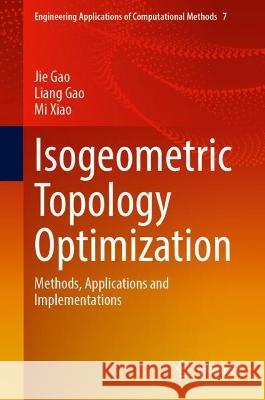
Jie Gao;Liang Gao;Mi Xiao
Isogeometric Topology Optimization: Methods, Applications and Implementations Gao, Jie 9789811917691 Springer Nature Singapore - książkaWidoczna okładka, to zdjęcie poglądowe, a rzeczywista szata graficzna może różnić się od prezentowanej.

Isogeometric Topology Optimization: Methods, Applications and Implementations

ISBN-13: 9789811917691 / Angielski / Twarda / 2022

Jie Gao;Liang Gao;Mi Xiao
cena 605,23 zł
(netto: 576,41 VAT:  5%)

Najniższa cena z 30 dni: 578,30 zł
Termin realizacji zamówienia:
ok. 22 dni roboczych
Bez gwarancji dostawy przed świętami

Darmowa dostawa!
inne wydania

This book provides a systematic description about the development of Isogeometric Topology Optimization (ITO) method using the density, and then addresses the effectiveness and efficiency of the ITO method on several design problems, including multi-material structures, stress-minimization structures, piezoelectric structures and also with the uniform manufacturability, ultra-lightweight architected materials with extreme bulk/shear moduli, auxetic metamaterials and auxetic meta-composites with the NPRs behavior in microstructures. A detailed MATLAB implementation of the ITO method with an in-house code “IgaTop” is also presented.


Kategorie:
Technologie
Kategorie BISAC:
Technology & Engineering > Industrial Design - Product
Mathematics > Matematyka stosowana
Technology & Engineering > Industrial Engineering
Wydawca:
Springer Nature Singapore
Seria wydawnicza:
Engineering Applications of Computational Methods
Język:
Angielski
ISBN-13:
9789811917691
Rok wydania:
2022
Waga:
0.52 kg
Wymiary:
23.5 x 15.5
Oprawa:
Twarda
Dodatkowe informacje:
Wydanie ilustrowane

1 Introduction 1

1.1 Topology optimization (Top-opt) 1
1.2 IsoGeometric Analysis (IGA) 3
1.3 Isogeometric Topology Optimization (ITO) 5
1.3.1 Density-based ITO methods 5
1.3.2 Level-set-based ITO methods 9
1.3.3 MMC/Vs-based ITO methods 11
1.4 Applications of topology optimization 12
1.4.1 Multi-material structures 12
1.4.2 Stress-related designs 14
1.4.3 Piezoelectric structures 16
1.4.4 Architected materials 18
1.4.5 Auxetic meta-materials/composites 20
1.5 Implementations of topology optimization 21
1.6 The main focus of the current monograph 22
2 The Density-based ITO method 25
2.1 NURBS-based IGA for numerical analysis model 25
2.1.1 NURBS basis functions 25
2.1.2 Galerkin’s Formulation for elastostatics 27
2.2 Density Distribution Function (DDF) for topology description model 28
2.2.1 NURBS for structural geometry 28
2.2.2 Density Distribution Function ( 30
2.2.3 Material interpolation model 33
2.3 The ITO formulations for two problems 34
2.3.1 ITO formulation for the stiffness-maximization 34
2.3.2 ITO formulation for compliant mechanism design 35
2.4 Numerical implementations 36
2.5 Numerical examples 37
2.5.1 Several numerical examples in 2D 38
2.5.2 Several numerical examples in 3D 44
2.5.3 Discussions on the smoothing mechanism 47
2.6 Discussions on the indispensability of the ITO method 48
II
2.6.1 Problems in the classic SIMP method ........................................................................................................................................ 48
2.6.2 The extension of the DDF ............................................................................................................................................................................ 51
2.6.3 Comparisons between the ITO and the FEM-based three-field SIMP...................................... 52
2.6.4 Numerical examples .............................................................................................................................................................................................. 53
2.7 Appendix for sensitivity analysis .................................................................................................................................................................... 62
2.8 Summary .............................................................................................................................................................................................................................................. 64
3 The Multi-material ITO (M-ITO) method ............................................................................................................................................................ 66
3.1 NURBS-based Multi-Material Interpolation (N-MMI) ................................................................................................ 66
3.1.1 The Field of Design Variables (DVF) ........................................................................................................................................ 66
3.1.2 The Field of Topology Variables (TVF) .................................................................................................................................. 66
3.1.3 Multi-material interpolation model .............................................................................................................................................. 67
3.2 Multi-material Isogeometric Topology Optimization (M-ITO) ........................................................................ 69
3.3 Design sensitivity analysis ........................................................................................................................................................................................ 70
3.4 Numerical examples in 2D ........................................................................................................................................................................................ 73
3.4.1 Two-materials design .......................................................................................................................................................................................... 74
3.4.2 Three-materials design ...................................................................................................................................................................................... 78
3.4.3 Discussions on the stiffness-to-mass ratio .......................................................................................................................... 82
3.4.4 Quarter annulus .......................................................................................................................................................................................................... 83
3.5 Numerical examples in 3D ........................................................................................................................................................................................ 85
3.6 Summary .............................................................................................................................................................................................................................................. 87
4 The ITO for stress-minimization problems .......................................................................................................................................................... 88
4.1 The problem of boundary stress concentrations ...................................................................................................................... 88
4.2 Topology description model .................................................................................................................................................................................... 89
4.3 NURBS-based IGA for stress computation .................................................................................................................................... 91
4.4 Induced aggregation formulations of p-norm and KS ...................................................................................................... 93
4.5 ITO for stress-minimization designs .......................................................................................................................................................... 96
4.5.1 Stress-minimization design formulation .................................................................................................................................. 96
4.5.2 Design sensitivity analysis .......................................................................................................................................................................... 97
4.5.3 Numerical implementations .................................................................................................................................................................. 101
4.6 Numerical examples ........................................................................................................................................................................................................ 101
4.6.1 Discussions on aggregation formulations of p-norm and the induced p-norm ...... 103
4.6.2 Discussions on aggregation formulations of KS and the induced KS .................................... 109
4.6.3 Discussions on the problem of boundary stress concentrations .................................................... 112
4.6.4 Discussions on threshold projection ........................................................................................................................................ 114
4.6.5 Discussions on the utility of the ITO ........................................................................................................................................ 115
4.6.6 AM for experiment validations .......................................................................................................................................................... 120
4.7 Summary .......................................................................................................................................................................................................................................... 121
III
5 The ITO for piezoelectric structures with manufacturability .......................................................................................... 123
5.1 NURBS-based IGA for piezoelectric materials .................................................................................................................... 123
5.1.1 Piezoelectric constitutive relations ............................................................................................................................................ 123
5.1.2 IGA formulation for piezoelectric materials ................................................................................................................ 124
5.2 Density distribution function with erode-dilate operators .................................................................................... 125
5.3 Interpolation schemes of piezoelectric materials ................................................................................................................ 127
5.4 ITO and RITO for piezoelectric actuators .................................................................................................................................... 128
5.4.1 ITO formulation without manufacturability .................................................................................................................. 128
5.4.2 RITO formulation with uniform manufacturability ............................................................................................ 129
5.5 Sensitivity analysis ............................................................................................................................................................................................................ 130
5.6 Numerical examples ........................................................................................................................................................................................................ 132
5.6.1 The optimization of piezoelectric actuators using the ITO .................................................................... 133
5.6.2 The optimization of piezoelectric actuators using the RITO ................................................................ 137
5.7 Summary .......................................................................................................................................................................................................................................... 143
6 The ITO for architected materials .................................................................................................................................................................................. 145
6.1 Numerical implementations of the homogenization using IGA .................................................................. 145
6.2 ITO for micro-architected materials ...................................................................................................................................................... 147
6.3 Design sensitivity analysis .................................................................................................................................................................................... 148
6.4 Optimality Criteria ............................................................................................................................................................................................................ 149
6.5 Numerical examples ........................................................................................................................................................................................................ 150
6.5.1 2D micro-architected materials ...................................................................................................................................................... 151
6.5.2 3D micro-architected materials ...................................................................................................................................................... 158
6.5.3 Prototypes using 3D printing .............................................................................................................................................................. 163
6.6 Summary .......................................................................................................................................................................................................................................... 164
7 The ITO for auxetic metamaterials .............................................................................................................................................................................. 166
7.1 The ITO formulation for auxetic metamaterials .................................................................................................................. 166
7.2 Design sensitivity analysis .................................................................................................................................................................................... 167
7.3 A relaxed OC method .................................................................................................................................................................................................... 168
7.4 Numerical examples ........................................................................................................................................................................................................ 170
7.4.1 2D auxetic metamaterials ........................................................................................................................................................................ 171
7.4.2 Discussions of the weight parameter ...................................................................................................................................... 174
7.4.3 3D auxetic metamaterials ........................................................................................................................................................................ 176
7.4.4 Simulating validation based on ANSYS .............................................................................................................................. 182
7.5 Summary .......................................................................................................................................................................................................................................... 185
8 The M-ITO for auxetic meta-composites ............................................................................................................................................................ 186
8.1 The computational design framework.................................................................................................................................................. 186
8.2 The M-ITO formulation for auxetic meta-composites ................................................................................................ 188
IV
8.3 Design sensitivity analysis .................................................................................................................................................................................... 189
8.4 Numerical implementations ................................................................................................................................................................................ 192
8.5 Numerical examples ........................................................................................................................................................................................................ 192
8.5.1 2D auxetic composite with two materials ........................................................................................................................ 193
8.5.2 2D auxetic composite with three materials .................................................................................................................... 200
8.5.3 3D auxetic composite with two materials ........................................................................................................................ 204
8.5.4 Simulating validations based on ANASYS ...................................................................................................................... 212
8.6 Summary .......................................................................................................................................................................................................................................... 217
9 An in-house MATLAB code of “IgaTop” for the ITO method ...................................................................................... 218
9.1 A 56-line MATLAB code for the main function IgaTop2D ................................................................................ 220
9.2 Geom_ModGeom_Mod: Construct geometrical model using NURBS .................................................................................. 221
9.3 Pre_IGAPre_IGA: Preparation for IGA.................................................................................................................................................................... 224
9.4 Boun_CondBoun_Cond: Define Dirichlet and Neumann boundary conditions .................................................... 228
9.5 Initialize control densities and the DDF at Gauss quadrature points .................................................... 229
9.6 Shep_FunShep_Fun: Define the smoothing mechanism .................................................................................................................. 231
9.7 IGA to solve structural responses ................................................................................................................................................................ 231
9.7.1 Stiff_Ele2D ...................................................................................................................................................................................................................... 232
9.7.2 Stiff_Ass2D ...................................................................................................................................................................................................................... 234
9.7.3 Solving .................................................................................................................................................................................................................................... 235
9.8 Objective function and sensitivity analysis .................................................................................................................................. 236
9.9 OCOC: Update design variables and DDF .............................................................................................................................................. 237
9.10 Plot_DataPlot_Data and Plot_Topy: Plot_Topy: Representation of numerical results ........................................ 238
9.11 Demos for several examples .............................................................................................................................................................................. 240
9.12 Summary .......................................................................................................................................................................................................................................... 242
References .............................................................................................................................................................................................................................................................................. 243

Jie Gao is a faculty of Department of Engineering Mechanics, School of Aerospace Engineering, Huazhong University of Science and Technology (HUST), Wuhan, China. He received PhD degree from joint program of HUST and University of Technology Sydney, Australia in 2019. He is the guest editor of the special issue of the International Journal of Symmetry on “New Advance of Methods and Applications in Topology Optimization and Symmetry” in 2021-2022. He is a member of International Society for Structural and Multidisciplinary Optimization (ISSMO), a member of Mechanics Society of Hubei Province and also a member of Mechanics Society of China. His main research area is the topology optimization, mainly including the developments of topology optimization methods and applications in many design problems of multiscale composite structures, architected materials, auxetic metamaterials, etc. Over the last 5 years, he published nearly 20 SCI-indexed journal papers.

Liang Gao is a Professor at the School of Mechanical Science and Engineering, Huazhong University of Science and Technology (HUST), Wuhan, China. He is an Associate Director of the State Key Laboratory of Digital Manufacturing Equipment and Technology (DMET). He is a member of the Operations Research Society of China, Artificial Intelligence Society of Hubei, Operations Research Society of Hubei and Mechanical Engineering Society of Hubei. He was also the guest co-editor of the special issues of International Journal of Advancements in Computing Technology on “Particle Swarm Optimization and Applications” in 2011 and International Journal of Advanced Manufacturing Technology on “Process Planning and Production Scheduling in Sustainable Manufacturing” in 2012. He was a referee for the International Journal of Production Research, International Journal of Computer Integrated Manufacturing and other related international journals. His main research areas are the modern optimization method and its applications in mechanical design and manufacturing. Over the last 5 years, he has published 2 books and 53 papers in respected journals. He has received a number of awards, including the Ministry of Education Natural Science Award first prize in 2013 and the Chinese Mechanical Engineering Society Youth Science and Technology Achievement Award in 2013. He was selected for the Program for New Century Excellent Talents in University by the Ministry of Education in 2008. 

Mi Xiao received his PhD degree in Industrial Engineering from Huazhong University of Science and Technology (HUST), Wuhan, China in 2012. He is currently an Associate Professor in School of Mechanical Science and Engineering, HUST. He is an ASME/IEEE member. He was the guest co-editor of the special issue of International Journal of Materials and Product Technology on “New Advances on Topology Optimization” in 2019, and is currently an Associate Editor of IET Collaborative Intelligent Manufacturing. His research interest is structural optimization design, mainly including topology optimization. He has published more than 70 SCI-indexed journal papers, in journals such as Nature Communications, Computer Methods in Applied Mechanics and Engineering, Reliability Engineering & System Safety, and Structural and Multidisciplinary Optimization.

This book provides a systematic description about the development of Isogeometric Topology Optimization (ITO) method using the density, and then addresses the effectiveness and efficiency of the ITO method on several design problems, including multi-material structures, stress-minimization structures, piezoelectric structures and also with the uniform manufacturability, ultra-lightweight architected materials with extreme bulk/shear moduli, auxetic metamaterials and auxetic meta-composites with the NPRs behavior in microstructures. A detailed MATLAB implementation of the ITO method with an in-house code “IgaTop” is also presented.




Udostępnij

Facebook - konto krainaksiazek.pl


Opinie o Krainaksiazek.pl na Opineo.pl

Partner Mybenefit

Krainaksiazek.pl w programie rzetelna firma Krainaksiaze.pl - płatności przez paypal

Czytaj nas na:

Facebook - krainaksiazek.pl
  • książki na zamówienie
  • granty
  • książka na prezent
  • kontakt
  • pomoc
  • opinie
  • regulamin
  • polityka prywatności

Zobacz:

  • Księgarnia czeska

  • Wydawnictwo Książkowe Klimaty

1997-2025 DolnySlask.com Agencja Internetowa

© 1997-2022 krainaksiazek.pl
     
KONTAKT | REGULAMIN | POLITYKA PRYWATNOŚCI | USTAWIENIA PRYWATNOŚCI
Zobacz: Księgarnia Czeska | Wydawnictwo Książkowe Klimaty | Mapa strony | Lista autorów
KrainaKsiazek.PL - Księgarnia Internetowa

Polityka prywatnosci - link
Krainaksiazek.pl - płatnośc Przelewy24
Przechowalnia Przechowalnia



