Irrigation Scheduling » książka





Irrigation Scheduling
ISBN-13: 9786209594076 / Angielski / Miękka / 52 str.
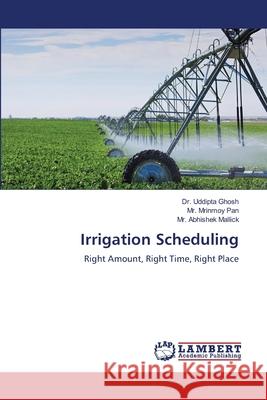
Irrigation scheduling is the process of deciding when and how much water to apply to crops to meet their water needs efficiently. The main goal is to supply adequate moisture for optimal crop growth while avoiding water stress, runoff, deep percolation, and water wastage.Scheduling is based on factors such as crop type and growth stage, soil characteristics (texture, water-holding capacity), climatic conditions (temperature, rainfall, humidity, wind), and irrigation method. Common approaches include soil moisture-based scheduling, climatological methods using evapotranspiration (ET), crop appearance indicators, and fixed-interval scheduling.Proper irrigation scheduling improves water-use efficiency, increases crop yield and quality, reduces energy and labor costs, and minimizes environmental impacts such as nutrient leaching and salinity. Modern tools like soil moisture sensors, weather data, and automated irrigation systems help farmers apply water more precisely.




Czytaj nas na:
KrainaKsiazek.PL - Księgarnia Internetowa


