• Wyszukiwanie zaawansowane
  • Kategorie
  • Kategorie BISAC
  • Książki na zamówienie
  • Promocje
  • Granty
  • Książka na prezent
  • Opinie
  • Pomoc
  • Załóż konto
  • Zaloguj się

Introductory Statistics for Business and Economics: Theory, Exercises and Solutions » książka


zaloguj się | załóż konto
Logo Krainaksiazek.pl

koszyk

konto

szukaj
topmenu
Księgarnia internetowa
Szukaj
Książki na zamówienie
Promocje
Granty
Książka na prezent
Moje konto
Pomoc
 
 
Wyszukiwanie zaawansowane
Pusty koszyk
Bezpłatna dostawa dla zamówień powyżej 20 złBezpłatna dostawa dla zamówień powyżej 20 zł

Kategorie główne

• Nauka
 [2946912]
• Literatura piękna
 [1852311]

  więcej...
• Turystyka
 [71421]
• Informatyka
 [150889]
• Komiksy
 [35717]
• Encyklopedie
 [23177]
• Dziecięca
 [617324]
• Hobby
 [138808]
• AudioBooki
 [1671]
• Literatura faktu
 [228371]
• Muzyka CD
 [400]
• Słowniki
 [2841]
• Inne
 [445428]
• Kalendarze
 [1545]
• Podręczniki
 [166819]
• Poradniki
 [480180]
• Religia
 [510412]
• Czasopisma
 [525]
• Sport
 [61271]
• Sztuka
 [242929]
• CD, DVD, Video
 [3371]
• Technologie
 [219258]
• Zdrowie
 [100961]
• Książkowe Klimaty
 [124]
• Zabawki
 [2341]
• Puzzle, gry
 [3766]
• Literatura w języku ukraińskim
 [255]
• Art. papiernicze i szkolne
 [7810]
Kategorie szczegółowe BISAC

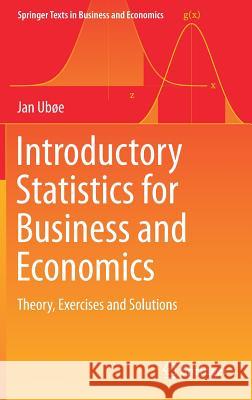
Introductory Statistics for Business and Economics: Theory, Exercises and Solutions

ISBN-13: 9783319709352 / Angielski / Twarda / 2018 / 466 str.
Jan Uboe
Introductory Statistics for Business and Economics: Theory, Exercises and Solutions Ubøe, Jan 9783319709352 Springer - książkaWidoczna okładka, to zdjęcie poglądowe, a rzeczywista szata graficzna może różnić się od prezentowanej.

Introductory Statistics for Business and Economics: Theory, Exercises and Solutions

ISBN-13: 9783319709352 / Angielski / Twarda / 2018 / 466 str.

Jan Uboe
cena 341,34
(netto: 325,09 VAT:  5%)

Najniższa cena z 30 dni: 327,68
Termin realizacji zamówienia:
ok. 22 dni roboczych
Dostawa w 2026 r.

Darmowa dostawa!

This textbook discusses central statistical concepts and their use in business and economics. Accordingly, the book predominantly focuses on exercises, several of which draw on simple applications of non-linear theory. The book bridges the gap between theory and applications, with most exercises formulated in an economic context.

Kategorie:
Nauka, Ekonomia i biznes
Kategorie BISAC:
Business & Economics > Statystyka gospodarcza
Business & Economics > Matematyka biznesowa
Business & Economics > Ekonometria
Wydawca:
Springer
Seria wydawnicza:
Springer Texts in Business and Economics
Język:
Angielski
ISBN-13:
9783319709352
Rok wydania:
2018
Wydanie:
2017
Numer serii:
000424303
Ilość stron:
466
Waga:
0.84 kg
Wymiary:
23.39 x 15.6 x 2.69
Oprawa:
Twarda
Wolumenów:
01
Dodatkowe informacje:
Wydanie ilustrowane

"This textbook is an introductory one which is intended first of all for researchers, analysts and practitioners in finance and economics which are not going to become professional statisticians. ... the author introduces the readers to the complex technology through many examples and exercises which are simple and explicit at the beginning and grow up to nontrivial problems of economic practice." (Vladimir Gorbunov, zbMATH 1407.62008, 2019)

1 Descriptive statistics . . . . . . . . . . . . . . . . . . . . . . . . . . . . . . . . . . . . . . . . . . . . 11
1.1 Population and samples . . . . . . . . . . . . . . . . . . . . . . . . . . . . . . . . . . . . . 11
1.2 The median . . . . . . . . . . . . . . . . . . . . . . . . . . . . . . . . . . . . . . . . . . . . . . . 15
1.3 Quartiles and mode . . . . . . . . . . . . . . . . . . . . . . . . . . . . . . . . . . . . . . . . . 16
1.4 Relative frequency and histograms . . . . . . . . . . . . . . . . . . . . . . . . . . . . 18
1.5 The mean . . . . . . . . . . . . . . . . . . . . . . . . . . . . . . . . . . . . . . . . . . . . . . . . . 19
1.6 Sample variance and sample standard deviation . . . . . . . . . . . . . . . . . 21
1.7 Sample covariance and coefficient of variation . . . . . . . . . . . . . . . . . . 23
1.8 Using Excel . . . . . . . . . . . . . . . . . . . . . . . . . . . . . . . . . . . . . . . . . . . . . . . 26
1.9 Summary of Chapter 1 . . . . . . . . . . . . . . . . . . . . . . . . . . . . . . . . . . . . . . 28
1.10 Problems for chapter 1 . . . . . . . . . . . . . . . . . . . . . . . . . . . . . . . . . . . . . . 30
2 Probability . . . . . . . . . . . . . . . . . . . . . . . . . . . . . . . . . . . . . . . . . . . . . . . . . . . . 37
2.1 Sample space . . . . . . . . . . . . . . . . . . . . . . . . . . . . . . . . . . . . . . . . . . . . . . 37
2.2 Probability . . . . . . . . . . . . . . . . . . . . . . . . . . . . . . . . . . . . . . . . . . . . . . . . 38
2.2.1 Events . . . . . . . . . . . . . . . . . . . . . . . . . . . . . . . . . . . . . . . . . . . . . 39
2.2.2 Uniform probability . . . . . . . . . . . . . . . . . . . . . . . . . . . . . . . . . . 40
2.2.3 Set theory . . . . . . . . . . . . . . . . . . . . . . . . . . . . . . . . . . . . . . . . . . 41
2.2.4 Computing probabilities . . . . . . . . . . . . . . . . . . . . . . . . . . . . . . 43
2.2.5 The negation principle . . . . . . . . . . . . . . . . . . . . . . . . . . . . . . . . 45
2.3 Summary of Chapter 2 . . . . . . . . . . . . . . . . . . . . . . . . . . . . . . . . . . . . . . 45
2.4 Problems for chapter 2 . . . . . . . . . . . . . . . . . . . . . . . . . . . . . . . . . . . . . . 45
3 Combinatorics . . . . . . . . . . . . . . . . . . . . . . . . . . . . . . . . . . . . . . . . . . . . . . . . . 51
3.1 Counting combinations . . . . . . . . . . . . . . . . . . . . . . . . . . . . . . . . . . . . . . 51
3.1.1 Ordered selections . . . . . . . . . . . . . . . . . . . . . . . . . . . . . . . . . . . 52
3.1.2 Unordered choices without replacement . . . . . . . . . . . . . . . . . 54
3.1.3 Combinatorial probabilities . . . . . . . . . . . . . . . . . . . . . . . . . . . . 57
3.2 Summary of Chapter 3 . . . . . . . . . . . . . . . . . . . . . . . . . . . . . . . . . . . . . . 59
3.3 Problems for chapter 3 . . . . . . . . . . . . . . . . . . . . . . . . . . . . . . . . . . . . . . 59
4 Conditional probability . . . . . . . . . . . . . . . . . . . . . . . . . . . . . . . . . . . . . . . . . 65
4.1 Conditional probability . . . . . . . . . . . . . . . . . . . . . . . . . . . . . . . . . . . . . . 65
4.1.1 Computing conditional probabilities . . . . . . . . . . . . . . . . . . . . 67
4.1.2 Splitting the sample space . . . . . . . . . . . . . . . . . . . . . . . . . . . . . 69
4.1.3 Probability trees . . . . . . . . . . . . . . . . . . . . . . . . . . . . . . . . . . . . . 69
4.2 Subjective probabilities . . . . . . . . . . . . . . . . . . . . . . . . . . . . . . . . . . . . . . 74
4.3 Independence . . . . . . . . . . . . . . . . . . . . . . . . . . . . . . . . . . . . . . . . . . . . . . 75
4.4 Summary of Chapter 4 . . . . . . . . . . . . . . . . . . . . . . . . . . . . . . . . . . . . . . 76
4.5 Problems for chapter 4 . . . . . . . . . . . . . . . . . . . . . . . . . . . . . . . . . . . . . . 77
5 Random variables, mean and variance . . . . . . . . . . . . . . . . . . . . . . . . . . . . 87
5.1 Random variables . . . . . . . . . . . . . . . . . . . . . . . . . . . . . . . . . . . . . . . . . . 87
5.2 Expectation . . . . . . . . . . . . . . . . . . . . . . . . . . . . . . . . . . . . . . . . . . . . . . . 91
5.2.1 Computing expectations . . . . . . . . . . . . . . . . . . . . . . . . . . . . . . 93
5.2.2 General expectations and variance . . . . . . . . . . . . . . . . . . . . . . 94
5.3 Some simple facts about option pricing . . . . . . . . . . . . . . . . . . . . . . . . 96
5.3.1 Hedging portfolios . . . . . . . . . . . . . . . . . . . . . . . . . . . . . . . . . . . 97
5.4 Summary of Chapter 5 . . . . . . . . . . . . . . . . . . . . . . . . . . . . . . . . . . . . . . 99
5.5 Problems for chapter 5 . . . . . . . . . . . . . . . . . . . . . . . . . . . . . . . . . . . . . . 100
6 Joint distributions . . . . . . . . . . . . . . . . . . . . . . . . . . . . . . . . . . . . . . . . . . . . . . 109
6.1 Simultaneous distributions . . . . . . . . . . . . . . . . . . . . . . . . . . . . . . . . . . . 109
6.2 Covariance . . . . . . . . . . . . . . . . . . . . . . . . . . . . . . . . . . . . . . . . . . . . . . . . 114
6.2.1 An alternative formula for the covariance . . . . . . . . . . . . . . . . 115
6.2.2 Sums of random variables . . . . . . . . . . . . . . . . . . . . . . . . . . . . . 116
6.3 Summary of Chapter 6 . . . . . . . . . . . . . . . . . . . . . . . . . . . . . . . . . . . . . . 117
6.4 Problems for chapter 6 . . . . . . . . . . . . . . . . . . . . . . . . . . . . . . . . . . . . . . 118
7 Basic probability distributions . . . . . . . . . . . . . . . . . . . . . . . . . . . . . . . . . . . 125
7.1 The indicator distribution . . . . . . . . . . . . . . . . . . . . . . . . . . . . . . . . . . . . 125
7.2 The binomial distribution . . . . . . . . . . . . . . . . . . . . . . . . . . . . . . . . . . . . 126
7.3 The hypergeometric distribution . . . . . . . . . . . . . . . . . . . . . . . . . . . . . . 129
7.4 The Poisson distribution . . . . . . . . . . . . . . . . . . . . . . . . . . . . . . . . . . . . . 133
7.5 The normal distribution . . . . . . . . . . . . . . . . . . . . . . . . . . . . . . . . . . . . . 135
7.5.1 The general normal distribution . . . . . . . . . . . . . . . . . . . . . . . . 138
7.5.2 Standardizing random variables . . . . . . . . . . . . . . . . . . . . . . . . 139
7.5.3 The central limit theorem . . . . . . . . . . . . . . . . . . . . . . . . . . . . . 140
7.5.4 Integer correction . . . . . . . . . . . . . . . . . . . . . . . . . . . . . . . . . . . . 145
7.5.5 Normal approximation of hypergeometric and Poisson
distributions . . . . . . . . . . . . . . . . . . . . . . . . . . . . . . . . . . . . . . . . 147
7.5.6 Summing normal distributions . . . . . . . . . . . . . . . . . . . . . . . . . 148
7.5.7 Applications to option pricing . . . . . . . . . . . . . . . . . . . . . . . . . . 148
7.6 Summary of chapter 7 . . . . . . . . . . . . . . . . . . . . . . . . . . . . . . . . . . . . . . . 150
7.7 Problems for chapter 7 . . . . . . . . . . . . . . . . . . . . . . . . . . . . . . . . . . . . . . 152
8 Estimation . . . . . . . . . . . . . . . . . . . . . . . . . . . . . . . . . . . . . . . . . . . . . . . . . . . . 169
8.1 Estimation . . . . . . . . . . . . . . . . . . . . . . . . . . . . . . . . . . . . . . . . . . . . . . . . 169
8.1.1 Estimators . . . . . . . . . . . . . . . . . . . . . . . . . . . . . . . . . . . . . . . . . . 170
8.1.2 Reporting estimates . . . . . . . . . . . . . . . . . . . . . . . . . . . . . . . . . . 172
8.1.3 The measurement model . . . . . . . . . . . . . . . . . . . . . . . . . . . . . . 172
8.2 Confidence intervals . . . . . . . . . . . . . . . . . . . . . . . . . . . . . . . . . . . . . . . . 173
8.2.1 Constructing confidence intervals . . . . . . . . . . . . . . . . . . . . . . . 174
8.2.2 The t-distribution . . . . . . . . . . . . . . . . . . . . . . . . . . . . . . . . . . . . 176
8.3 The lottery model . . . . . . . . . . . . . . . . . . . . . . . . . . . . . . . . . . . . . . . . . . 179
8.4 Summary of Chapter 8 . . . . . . . . . . . . . . . . . . . . . . . . . . . . . . . . . . . . . . 180
8.5 Problems for chapter 8 . . . . . . . . . . . . . . . . . . . . . . . . . . . . . . . . . . . . . . 181
9 Hypothesis testing . . . . . . . . . . . . . . . . . . . . . . . . . . . . . . . . . . . . . . . . . . . . . . 185
9.1 Basic ideas . . . . . . . . . . . . . . . . . . . . . . . . . . . . . . . . . . . . . . . . . . . . . . . . 185
9.2 Motivation . . . . . . . . . . . . . . . . . . . . . . . . . . . . . . . . . . . . . . . . . . . . . . . . 187
9.3 General principles for hypothesis testing . . . . . . . . . . . . . . . . . . . . . . . 189
9.4 Designing statical tests . . . . . . . . . . . . . . . . . . . . . . . . . . . . . . . . . . . . . . 191
9.4.1 One-sided and two-sided tests . . . . . . . . . . . . . . . . . . . . . . . . . . 195
9.4.2 Confidence intervals and hypothesis testing . . . . . . . . . . . . . . 196
9.4.3 P-value . . . . . . . . . . . . . . . . . . . . . . . . . . . . . . . . . . . . . . . . . . . . . 197
9.5 Summary of Chapter 9 . . . . . . . . . . . . . . . . . . . . . . . . . . . . . . . . . . . . . . 200
9.6 Problems for chapter 9 . . . . . . . . . . . . . . . . . . . . . . . . . . . . . . . . . . . . . . 201
10 Commonly used tests . . . . . . . . . . . . . . . . . . . . . . . . . . . . . . . . . . . . . . . . . . . 211
10.1 Testing binomial distributions . . . . . . . . . . . . . . . . . . . . . . . . . . . . . . . . 211
10.2 t-test for expected value . . . . . . . . . . . . . . . . . . . . . . . . . . . . . . . . . . . . . 213
10.3 Comparing two groups . . . . . . . . . . . . . . . . . . . . . . . . . . . . . . . . . . . . . . 215
10.3.1 t-test for comparison of expectation in two groups . . . . . . . . . 215
10.3.2 t-test executed in Excel . . . . . . . . . . . . . . . . . . . . . . . . . . . . . . . 218
10.3.3 t-test for comparison of expectation in two groups, paired
observations . . . . . . . . . . . . . . . . . . . . . . . . . . . . . . . . . . . . . . . . 219
10.3.4 t-test with paired observations executed in Excel . . . . . . . . . . 222
10.4 Wilcoxon’s distribution free tests . . . . . . . . . . . . . . . . . . . . . . . . . . . . . 222
10.4.1 The Wilcoxon signed-rank test . . . . . . . . . . . . . . . . . . . . . . . . . 225
10.4.2 Comparison of t-tests and Wilcoxon test . . . . . . . . . . . . . . . . . 227
10.5 The U-test for comparison of success probabilities . . . . . . . . . . . . . . . 228
10.6 Chi-square test for goodness-of-fit . . . . . . . . . . . . . . . . . . . . . . . . . . . . 231
10.6.1 The Chi-square test executed in Excel . . . . . . . . . . . . . . . . . . . 232
10.7 The Chi-square test for independence . . . . . . . . . . . . . . . . . . . . . . . . . . 233
10.7.1 The Chi-square test for independence executed in Excel . . . . 236
10.8 Summary of Chapter 10 . . . . . . . . . . . . . . . . . . . . . . . . . . . . . . . . . . . . . 236
10.9 Problems for chapter 10 . . . . . . . . . . . . . . . . . . . . . . . . . . . . . . . . . . . . . 237
10 Contents
11 Linear regression . . . . . . . . . . . . . . . . . . . . . . . . . . . . . . . . . . . . . . . . . . . . . . 253
11.1 Linear correspondence . . . . . . . . . . . . . . . . . . . . . . . . . . . . . . . . . . . . . . 253
11.2 Linear regression . . . . . . . . . . . . . . . . . . . . . . . . . . . . . . . . . . . . . . . . . . . 255
11.3 Residuals and explanatory power . . . . . . . . . . . . . . . . . . . . . . . . . . . . . 258
11.3.1 Naming variables . . . . . . . . . . . . . . . . . . . . . . . . . . . . . . . . . . . . 260
11.4 Hypothesis testing in the regression model . . . . . . . . . . . . . . . . . . . . . 261
11.5 Prediction/estimation . . . . . . . . . . . . . . . . . . . . . . . . . . . . . . . . . . . . . . . 264
11.6 Regression using Excel . . . . . . . . . . . . . . . . . . . . . . . . . . . . . . . . . . . . . . 267
11.7 Multiple regression . . . . . . . . . . . . . . . . . . . . . . . . . . . . . . . . . . . . . . . . . 269
11.7.1 Explanatory power . . . . . . . . . . . . . . . . . . . . . . . . . . . . . . . . . . . 269
11.8 Causality . . . . . . . . . . . . . . . . . . . . . . . . . . . . . . . . . . . . . . . . . . . . . . . . . 271
11.9 Multicollinearity . . . . . . . . . . . . . . . . . . . . . . . . . . . . . . . . . . . . . . . . . . . 272
11.10 Dummy variables . . . . . . . . . . . . . . . . . . . . . . . . . . . . . . . . . . . . . . . . . . 273
11.11 Analyzing residuals . . . . . . . . . . . . . . . . . . . . . . . . . . . . . . . . . . . . . . . . . 275
11.11.1 Histogram . . . . . . . . . . . . . . . . . . . . . . . . . . . . . . . . . . . . . . . . . . 275
11.11.2 Normal score plot . . . . . . . . . . . . . . . . . . . . . . . . . . . . . . . . . . . . 275
11.11.3 Residuals in observed order . . . . . . . . . . . . . . . . . . . . . . . . . . . 276
11.11.4 Residuals sorted with respect to size . . . . . . . . . . . . . . . . . . . . 277
11.12 Summary of Chapter 11 . . . . . . . . . . . . . . . . . . . . . . . . . . . . . . . . . . . . . 278
11.13 Problems for chapter 11 . . . . . . . . . . . . . . . . . . . . . . . . . . . . . . . . . . . . . 280
Solutions . . . . . . . . . . . . . . . . . . . . . . . . . . . . . . . . . . . . . . . . . . . . . . . . . . . . . . . . . . 325
Index . . . . . . . . . . . . . . . . . . . . . . . . . . . . . . . . . . . . . . . . . . . . . . . . . . . . . . . . . . . . . 453

Jan Ubøe is a Professor of Mathematics at the Norwegian School of Economics. He has published research in several different areas of mathematics and economics: theory on stochastic differential equations, option pricing theory, regional science, transportation science and management science. His contributions have also been recognized with several awards for excellence in teaching.

This textbook discusses central statistical concepts and their use in business and economics. To endure the hardship of abstract statistical thinking, business and economics students need to see interesting applications at an early stage. Accordingly, the book predominantly focuses on exercises, several of which draw on simple applications of non-linear theory. The main body presents central ideas in a simple, straightforward manner; the exposition is concise, without sacrificing rigor. 

The book bridges the gap between theory and applications, with most exercises formulated in an economic context. Its simplicity of style makes the book suitable for students at any level, and every chapter starts out with simple problems. Several exercises, however, are more challenging, as they are devoted to the discussion of non-trivial economic problems where statistics plays a central part.




Udostępnij

Facebook - konto krainaksiazek.pl


Opinie o Krainaksiazek.pl na Opineo.pl

Partner Mybenefit

Krainaksiazek.pl w programie rzetelna firma Krainaksiaze.pl - płatności przez paypal

Czytaj nas na:

Facebook - krainaksiazek.pl
  • książki na zamówienie
  • granty
  • książka na prezent
  • kontakt
  • pomoc
  • opinie
  • regulamin
  • polityka prywatności

Zobacz:

  • Księgarnia czeska

  • Wydawnictwo Książkowe Klimaty

1997-2025 DolnySlask.com Agencja Internetowa

© 1997-2022 krainaksiazek.pl
     
KONTAKT | REGULAMIN | POLITYKA PRYWATNOŚCI | USTAWIENIA PRYWATNOŚCI
Zobacz: Księgarnia Czeska | Wydawnictwo Książkowe Klimaty | Mapa strony | Lista autorów
KrainaKsiazek.PL - Księgarnia Internetowa

Polityka prywatnosci - link
Krainaksiazek.pl - płatnośc Przelewy24
Przechowalnia Przechowalnia




