• Wyszukiwanie zaawansowane
  • Kategorie
  • Kategorie BISAC
  • Książki na zamówienie
  • Promocje
  • Granty
  • Książka na prezent
  • Opinie
  • Pomoc
  • Załóż konto
  • Zaloguj się

Introduction to Satellite Ground Segment Systems Engineering: Principles and Operational Aspects » książka


zaloguj się | załóż konto
Logo Krainaksiazek.pl

koszyk

konto

szukaj
topmenu
Księgarnia internetowa
Szukaj
Książki na zamówienie
Promocje
Granty
Książka na prezent
Moje konto
Pomoc
 
 
Wyszukiwanie zaawansowane
Pusty koszyk
Bezpłatna dostawa dla zamówień powyżej 20 złBezpłatna dostawa dla zamówień powyżej 20 zł

Kategorie główne

• Nauka
 [2946912]
• Literatura piękna
 [1852311]

  więcej...
• Turystyka
 [71421]
• Informatyka
 [150889]
• Komiksy
 [35717]
• Encyklopedie
 [23177]
• Dziecięca
 [617324]
• Hobby
 [138808]
• AudioBooki
 [1671]
• Literatura faktu
 [228371]
• Muzyka CD
 [400]
• Słowniki
 [2841]
• Inne
 [445428]
• Kalendarze
 [1545]
• Podręczniki
 [166819]
• Poradniki
 [480180]
• Religia
 [510412]
• Czasopisma
 [525]
• Sport
 [61271]
• Sztuka
 [242929]
• CD, DVD, Video
 [3371]
• Technologie
 [219258]
• Zdrowie
 [100961]
• Książkowe Klimaty
 [124]
• Zabawki
 [2341]
• Puzzle, gry
 [3766]
• Literatura w języku ukraińskim
 [255]
• Art. papiernicze i szkolne
 [7810]
Kategorie szczegółowe BISAC

Introduction to Satellite Ground Segment Systems Engineering: Principles and Operational Aspects

ISBN-13: 9783031158995 / Angielski / Twarda / 2022 / 262 str.
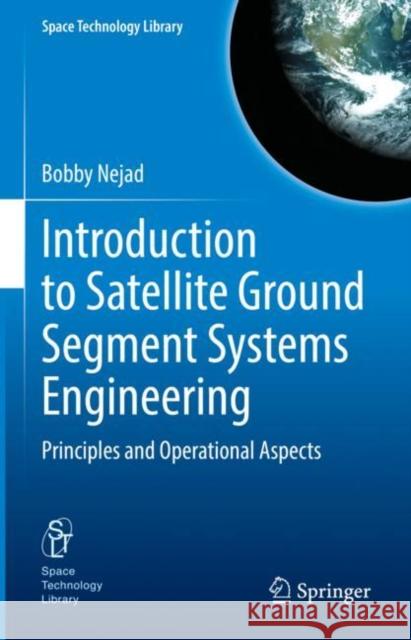
Bobby Nejad
Introduction to Satellite Ground Segment Systems Engineering: Principles and Operational Aspects Bobby Nejad 9783031158995 Springer - książkaWidoczna okładka, to zdjęcie poglądowe, a rzeczywista szata graficzna może różnić się od prezentowanej.

Introduction to Satellite Ground Segment Systems Engineering: Principles and Operational Aspects

ISBN-13: 9783031158995 / Angielski / Twarda / 2022 / 262 str.

Bobby Nejad
cena 564,88
(netto: 537,98 VAT:  5%)

Najniższa cena z 30 dni: 539,74
Termin realizacji zamówienia:
ok. 22 dni roboczych
Bez gwarancji dostawy przed świętami

Darmowa dostawa!
inne wydania

The ground segment is the fundamental backbone of every satellite project, yet it is usually not visible to the public or the end user of a satellite service. Also the bulk of existing published space literature tends to focus on the satellite or its subsystems. This book tries to fill this gap and addresses systems engineering concepts applied to the design, development, qualification, and deployment of the ground control segment required to operate a single satellite, a constellation, or even a manned space vehicle.The domain of ground segment engineering has significantly evolved in recent years, mainly driven by major advances in the IT sector. Hardware virtualisation or the availability of on-demand cloud computing services are typical examples of new technologies that have changed fundamental architectural concepts previously standard in heritage ground segments. Furthermore, the stark increase of cyber attacks - today a major risk to almost all critical IT based infrastructure - has made a cyber threat resilient architecture to become one of the indispensable design requirements for ground segment engineers. The new mega constellations recently put into space deploying up to several hundred of flying objects have put very demanding needs on the ground segment for automated satellite operations. These topics and more are addressed in the book’s chapters, along with a detailed explanation of the most relevant components of a typical ground segment architecture. The basic functional requirements, design features, and the most important ground and space segment interfaces are addressed and explained in detail, supported by a wealth of figures for easier understanding.This book is kept at an introductory level, allowing newcomers to get familiar with this fairly complex subject matter. It is therefore suitable for graduate students, but can equally serve as a valuable source of information for already experienced space engineers who seek to gain a deeper understanding of the ground segment infrastructure and related systems engineering processes. It can also help project managers to better interact with their systems engineers, satellite developers to define their ground segment interfaces, and satellite operators to improve their flight and ground procedures. It is very well suited for everyone intending to start a career in satellite ground segment systems engineering.


The ground segment is the fundamental backbone of every satellite project, yet it is usually not visible to the public or the end user of a satellite service. Also the bulk of existing published space literature tends to focus on the satellite or its subsystems. This book tries to fill this gap and addresses systems engineering concepts applied to the design, development, qualification, and deployment of the ground control segment required to operate a single satellite, a constellation, or even a manned space vehicle.The domain of ground segment engineering has significantly evolved in recent years, mainly driven by major advances in the IT sector. Hardware virtualisation or the availability of on-demand cloud computing services are typical examples of new technologies that have changed fundamental architectural concepts previously standard in heritage ground segments. Furthermore, the stark increase of cyber attacks - today a major risk to almost all critical IT based infrastructure - has made a cyber threat resilient architecture to become one of the indispensable design requirements for ground segment engineers. The new mega constellations recently put into space deploying up to several hundred of flying objects have put very demanding needs on the ground segment for automated satellite operations. These topics and more are addressed in the book’s chapters, along with a detailed explanation of the most relevant components of a typical ground segment architecture. The basic functional requirements, design features, and the most important ground and space segment interfaces are addressed and explained in detail, supported by a wealth of figures for easier understanding.This book is kept at an introductory level, allowing newcomers to get familiar with this fairly complex subject matter. It is therefore suitable for graduate students, but can equally serve as a valuable source of information for already experienced space engineers who seek to gain a deeper understanding of the ground segment infrastructure and related systems engineering processes. It can also help project managers to better interact with their systems engineers, satellite developers to define their ground segment interfaces, and satellite operators to improve their flight and ground procedures. It is very well suited for everyone intending to start a career in satellite ground segment systems engineering.

Kategorie:
Technologie
Kategorie BISAC:
Technology & Engineering > Aeronautics & Astronautics
Science > Astronomia, przestrzeń i czas
Technology & Engineering > Telecommunications
Wydawca:
Springer
Seria wydawnicza:
Space Technology Library
Język:
Angielski
ISBN-13:
9783031158995
Rok wydania:
2022
Dostępne języki:
Numer serii:
000035356
Ilość stron:
262
Oprawa:
Twarda

1 Introduction . . . . . . . . . . . . . . . . . . . . . . . . . . . . . . . . . . . . . . . . . . . . . . . . . . . . . . . .

References . . . . . . . . . . . . . . . . . . . . . . . . . . . . . . . . . . . . . . . . . . . . . . . . . . . . . . . . . . .

2 The Ground Control Segment Architecture . . . . . . . . . . . . . . . . . . . . . . . . . . . . .

2.1 Functional Architecture . . . . . . . . . . . . . . . . . . . . . . . . . . . . . . . . . . . . . . . . . . . .

2.2 Interface Definition . . . . . . . . . . . . . . . . . . . . . . . . . . . . . . . . . . . . . . . . . . . . . . .

2.3 Physical Architecture . . . . . . . . . . . . . . . . . . . . . . . . . . . . . . . . . . . . . . . . . . . . . .

References . . . . . . . . . . . . . . . . . . . . . . . . . . . . . . . . . . . . . . . . . . . . . . . . . . . . . . . . . .

3 The Space Segment Architecture . . . . . . . . . . . . . . . . . . . . . . . . . . . . . . . . . . . . . .

3.1 Architecture & Subsystems . . . . . . . . . . . . . . . . . . . . . . . . . . . . . . . . . . . . . . . . .

3.2 Spacecraft Modes . . . . . . . . . . . . . . . . . . . . . . . . . . . . . . . . . . . . . . . . . . . . . . . . .

3.3 Satellite Life Cycle. . . . . . . . . . . . . . . . . . . . . . . . . . . . . . . . . . . . . . . . . . . . . . . .

3.4 Ground to Space Interface . . . . . . . . . . . . . . . . . . . . . . . . . . . . . . . . . . . . . . . . . .

References . . . . . . . . . . . . . . . . . . . . . . . . . . . . . . . . . . . . . . . . . . . . . . . . . . . . . . . . . . .

4 The TT&C Station Network . . . . . . . . . . . . . . . . . . . . . . . . . . . . . . . . . . . . . . . . . .

4.1 Element Functionalities . . . . . . . . . . . . . . . . . . . . . . . . . . . . . . . . . . . . . . . . . . . .

4.2 Architectural Overview . . . . . . . . . . . . . . . . . . . . . . . . . . . . . . . . . . . . . . . . . . . .

4.3 Element Interfaces . . . . . . . . . . . . . . . . . . . . . . . . . . . . . . . . . . . . . . . . . . . . . . . .

References . . . . . . . . . . . . . . . . . . . . . . . . . . . . . . . . . . . . . . . . . . . . . . . . . . . . . . . . . . .

5 The Flight Dynamics Facility . . . . . . . . . . . . . . . . . . . . . . . . . . . . . . . . . . . . . . . . .

5.1 Element Functionalities . . . . . . . . . . . . . . . . . . . . . . . . . . . . . . . . . . . . . . . . . . . .

5.2 Architectural Overview . . . . . . . . . . . . . . . . . . . . . . . . . . . . . . . . . . . . . . . . . . . .

5.3 Element Specific Topics . . . . . . . . . . . . . . . . . . . . . . . . . . . . . . . . . . . . . . . . . . .

5.4 Interfaces . . . . . . . . . . . . . . . . . . . . . . . . . . . . . . . . . . . . . . . . . . . . . . . . . . . . . . . .

References . . . . . . . . . . . . . . . . . . . . . . . . . . . . . . . . . . . . . . . . . . . . . . . . . . . . . . . . . . .

6 The Satellite Control Facility . . . . . . . . . . . . . . . . . . . . . . . . . . . . . . . . . . . . . . . . . .

6.1 Element Functionalities . . . . . . . . . . . . . . . . . . . . . . . . . . . . . . . . . . . . . . . . . . . .

6.2 Architectural Overview . . . . . . . . . . . . . . . . . . . . . . . . . . . . . . . . . . . . . . . . . . . .

6.3 Element Specific Topics . . . . . . . . . . . . . . . . . . . . . . . . . . . . . . . . . . . . . . . . . . .

6.4 Interfaces . . . . . . . . . . . . . . . . . . . . . . . . . . . . . . . . . . . . . . . . . . . . . . . . . . . . . . . .

References . . . . . . . . . . . . . . . . . . . . . . . . . . . . . . . . . . . . . . . . . . . . . . . . . . . . . . . . . . .

7 The Satellite Simulator . . . . . . . . . . . . . . . . . . . . . . . . . . . . . . . . . . . . . . . . . . . . . . .

7.1 Element Functionalities . . . . . . . . . . . . . . . . . . . . . . . . . . . . . . . . . . . . . . . . . . . .

7.2 Architectural Overview . . . . . . . . . . . . . . . . . . . . . . . . . . . . . . . . . . . . . . . . . . . .

7.3 Element Specific Topics . . . . . . . . . . . . . . . . . . . . . . . . . . . . . . . . . . . . . . . . . . .

7.4 Interfaces . . . . . . . . . . . . . . . . . . . . . . . . . . . . . . . . . . . . . . . . . . . . . . . . . . . . . . . .

References . . . . . . . . . . . . . . . . . . . . . . . . . . . . . . . . . . . . . . . . . . . . . . . . . . . . . . . . . . .

8 The Mission Planning Facility . . . . . . . . . . . . . . . . . . . . . . . . . . . . . . . . . . . . . . . . .

8.1 Element Functionalities . . . . . . . . . . . . . . . . . . . . . . . . . . . . . . . . . . . . . . . . . . . .

8.2 Architectural Overview . . . . . . . . . . . . . . . . . . . . . . . . . . . . . . . . . . . . . . . . . . . .

8.3 Element Specific Topics . . . . . . . . . . . . . . . . . . . . . . . . . . . . . . . . . . . . . . . . . . .

8.4 Interfaces . . . . . . . . . . . . . . . . . . . . . . . . . . . . . . . . . . . . . . . . . . . . . . . . . . . . . . . .

References . . . . . . . . . . . . . . . . . . . . . . . . . . . . . . . . . . . . . . . . . . . . . . . . . . . . . . . . . . .

9 The Operations Preparation Facility . . . . . . . . . . . . . . . . . . . . . . . . . . . . . . . . . . .

9.1 Element Functionalities . . . . . . . . . . . . . . . . . . . . . . . . . . . . . . . . . . . . . . . . . . . .

9.2 Architectural Overview . . . . . . . . . . . . . . . . . . . . . . . . . . . . . . . . . . . . . . . . . . . .

9.3 Element Specific Topics . . . . . . . . . . . . . . . . . . . . . . . . . . . . . . . . . . . . . . . . . . .

9.4 Interfaces . . . . . . . . . . . . . . . . . . . . . . . . . . . . . . . . . . . . . . . . . . . . . . . . . . . . . . . .

References . . . . . . . . . . . . . . . . . . . . . . . . . . . . . . . . . . . . . . . . . . . . . . . . . . . . . . . . . . .

10 The Monitoring & Control Facility . . . . . . . . . . . . . . . . . . . . . . . . . . . . . . . . . . . .

10.1 Element Functionalities . . . . . . . . . . . . . . . . . . . . . . . . . . . . . . . . . . . . . . . . . . . .

10.2 Architectural Overview . . . . . . . . . . . . . . . . . . . . . . . . . . . . . . . . . . . . . . . . . . . .

10.3Element Specific Topics . . . . . . . . . . . . . . . . . . . . . . . . . . . . . . . . . . . . . . . . . . .

10.4Interfaces . . . . . . . . . . . . . . . . . . . . . . . . . . . . . . . . . . . . . . . . . . . . . . . . . . . . . . . .

References . . . . . . . . . . . . . . . . . . . . . . . . . . . . . . . . . . . . . . . . . . . . . . . . . . . . . . . . . . .

11 Auxiliary Services . . . . . . . . . . . . . . . . . . . . . . . . . . . . . . . . . . . . . . . . . . . . . . . . . . . .

11.1 Centralised User Management . . . . . . . . . . . . . . . . . . . . . . . . . . . . . . . . . . . . . .

11.2 Data Transfer Services . . . . . . . . . . . . . . . . . . . . . . . . . . . . . . . . . . . . . . . . . . . . .

11.3 Configuration Management System . . . . . . . . . . . . . . . . . . . . . . . . . . . . . . . . . .

11.4 Anti-Virus Protection . . . . . . . . . . . . . . . . . . . . . . . . . . . . . . . . . . . . . . . . . . . . . .

11.5 Data Protection . . . . . . . . . . . . . . . . . . . . . . . . . . . . . . . . . . . . . . . . . . . . . . . . . . .

11.6 Centralised Domain Name Service. . . . . . . . . . . . . . . . . . . . . . . . . . . . . . . . . . .

11.7 Time Source & Distribution . . . . . . . . . . . . . . . . . . . . . . . . . . . . . . . . . . . . . . . .

12 The Physical Architecture . . . . . . . . . . . . . . . . . . . . . . . . . . . . . . . . . . . . . . . . . . . .

12.1Client Server Architecture . . . . . . . . . . . . . . . . . . . . . . . . . . . . . . . . . . . . . . . . . .

12.2 Control Rooms . . . . . . . . . . . . . . . . . . . . . . . . . . . . . . . . . . . . . . . . . . . . . . . . . . .

12.3 Chain Separation Concept . . . . . . . . . . . . . . . . . . . . . . . . . . . . . . . . . . . . . . . . . .

12.4 Server Room Layout . . . . . . . . . . . . . . . . . . . . . . . . . . . . . . . . . . . . . . . . . . . . . .

12.5 Rack Layout, False Floor, & Cabling . . . . . . . . . . . . . . . . . . . . . . . . . . . . . . . . .

12.6 Hardware Virtualisation . . . . . . . . . . . . . . . . . . . . . . . . . . . . . . . . . . . . . . . . . . . .

12.7 Redundancy Concepts . . . . . . . . . . . . . . . . . . . . . . . . . . . . . . . . . . . . . . . . . . . . .

12.8 Migration Strategies . . . . . . . . . . . . . . . . . . . . . . . . . . . . . . . . . . . . . . . . . . . . . . .

References . . . . . . . . . . . . . . . . . . . . . . . . . . . . . . . . . . . . . . . . . . . . . . . . . . . . . . . . . . .

13 Operations . . . . . . . . . . . . . . . . . . . . . . . . . . . . . . . . . . . . . . . . . . . . . . . . . . . . . . . . . .

13.1 Preparation & Definition Phase . . . . . . . . . . . . . . . . . . . . . . . . . . . . . . . . . . . . .

13.2 Validation & Training Phase . . . . . . . . . . . . . . . . . . . . . . . . . . . . . . . . . . . . . . . .

13.3 Operations Phases . . . . . . . . . . . . . . . . . . . . . . . . . . . . . . . . . . . . . . . . . . . . . . . .

References . . . . . . . . . . . . . . . . . . . . . . . . . . . . . . . . . . . . . . . . . . . . . . . . . . . . . . . . . . .

14 Systems Engineering Fundamentals . . . . . . . . . . . . . . . . . . . . . . . . . . . . . . . . . . . .

14.1 Project Planning . . . . . . . . . . . . . . . . . . . . . . . . . . . . . . . . . . . . . . . . . . . . . . . . . .

14.2 System Hierarchy . . . . . . . . . . . . . . . . . . . . . . . . . . . . . . . . . . . . . . . . . . . . . . . . .

14.3 Life-Cycle Stages . . . . . . . . . . . . . . . . . . . . . . . . . . . . . . . . . . . . . . . . . . . . . . . . .

14.4 Life-Cycle Models . . . . . . . . . . . . . . . . . . . . . . . . . . . . . . . . . . . . . . . . . . . . . . . .

14.5 Model Based Systems Engineering . . . . . . . . . . . . . . . . . . . . . . . . . . . . . . . . . .

14.6 Quality Assurance . . . . . . . . . . . . . . . . . . . . . . . . . . . . . . . . . . . . . . . . . . . . . . . .

14.7 Summary . . . . . . . . . . . . . . . . . . . . . . . . . . . . . . . . . . . . . . . . . . . . . . . . . . . . . . . .

References . . . . . . . . . . . . . . . . . . . . . . . . . . . . . . . . . . . . . . . . . . . . . . . . . . . . . . . . . . .

15 Introduction to Cyber Security . . . . . . . . . . . . . . . . . . . . . . . . . . . . . . . . . . . . . . . .

15.1 Attack Vectors . . . . . . . . . . . . . . . . . . . . . . . . . . . . . . . . . . . . . . . . . . . . . . . . . . .

15.2 The Attack Surface . . . . . . . . . . . . . . . . . . . . . . . . . . . . . . . . . . . . . . . . . . . . . . .

15.3 System Design, Development, & Maintenance Aspects . . . . . . . . . . . . . . . . .

15.4 Cyber Security Audits & Penetration Tests . . . . . . . . . . . . . . . . . . . . . . . . . . . .

15.5 Threat Analysis. . . . . . . . . . . . . . . . . . . . . . . . . . . . . . . . . . . . . . . . . . . . . . . . . . .

15.6 Cryptography . . . . . . . . . . . . . . . . . . . . . . . . . . . . . . . . . . . . . . . . . . . . . . . . . . . .

15.7Concluding Remarks . . . . . . . . . . . . . . . . . . . . . . . . . . . . . . . . . . . . . . . . . . . . . .

References . . . . . . . . . . . . . . . . . . . . . . . . . . . . . . . . . . . . . . . . . . . . . . . . . . . . . . . . . . .

A Coordinate Systems . . . . . . . . . . . . . . . . . . . . . . . . . . . . . . . . . . . . . . . . . . . . . . . . . .

A.1 Definition of the Orbital Frame (LVLH) . . . . . . . . . . . . . . . . . . . . . . . . . . . . . .

B About the Author . . . . . . . . . . . . . . . . . . . . . . . . . . . . . . . . . . . . . . . . . . . . . . . . . . . . 

Bobby Nejad is a ground segment Systems Engineer at the European Space Agency (ESA) where he has been involved in the design, development, and qualification of the ground control segment of the European Global Navigation Satellite System “Galileo” for the past 14 years.

He received a master’s degree in technical physics from  the ‘’Technische Universität Graz”  and a second one in astronomy from the “Karl-Franzens Universität” in Graz, Austria. He conducted several academic research stays at the “Université Joseph Fourier“ in  Grenbole, the “Bureau des Longitudes” of the Paris Observatory, and the “Department of Electrical & Computer Engineering” of the University of Idaho. He started at ESA as a young graduate trainee in 2001 to work on the joined NASA and ESA Cassini-Huygens mission to explore Saturn and its moons in the outer planetary system. Being a member of the collocated team at the NASA Jet Propulsion Laboratory in Pasadena USA, he earnt his PhD. on the reconstruction of the entry, descent and landing trajectory of the Huygens probe on Titan in 2005.

In the following year Bobby joined the operational flight dynamics team of the German Space Operations Centre, where he was responsible for the manoeuvre planning and commanding of the synthetic aperture radar satellites TerraSAR-X, TanDEM-X, and the SAR-Lupe constellation, the latter one being the first military reconnaissance satellite system of the German armed forces. Bobby joined the Galileo project at the European Space Technology and Research Centre of the ESA in 2008 and has since then contributed as a Technical Officer to the definition and development of the ground segment’s flight dynamics, mission planning, and TT&C ground station systems. Since 2012 he works at the Galileo Control Centre, where he is supervises the assembly, integration, and qualification of the Galileo ground control segment.

The ground segment is the fundamental backbone of every satellite project, yet it is usually not visible to the public or the end user of a satellite service. Also the bulk of existing published space literature tends to focus on the satellite or its subsystems. This book tries to fill this gap and addresses systems engineering concepts applied to the design, development, qualification, and deployment of the ground control segment required to operate a single satellite, a constellation, or even a manned space vehicle.

The domain of ground segment engineering has significantly evolved in recent years, mainly driven by major advances in the IT sector. Hardware virtualisation or the availability of on-demand cloud computing services are typical examples of new technologies that have changed fundamental architectural concepts previously standard in heritage ground segments. Furthermore, the stark increase of cyber attacks - today a major risk to almost all critical IT based infrastructure - has made a cyber threat resilient architecture to become one of the indispensable design requirements for ground segment engineers. The new mega constellations recently put into space deploying up to several hundred of flying objects have put very demanding needs on the ground segment for automated satellite operations. These topics and more are addressed in the book’s chapters, along with a detailed explanation of the most relevant components of a typical ground segment architecture. The basic functional requirements, design features, and the most important ground and space segment interfaces are addressed and explained in detail, supported by a wealth of figures for easier understanding.

This book is kept at an introductory level, allowing newcomers to get familiar with this fairly complex subject matter. It is therefore suitable for graduate students, but can equally serve as a valuable source of information for already experienced space engineers who seek to gain a deeper understanding of the ground segment infrastructure and related systems engineering processes. It can also help project managers to better interact with their systems engineers, satellite developers to define their ground segment interfaces, and satellite operators to improve their flight and ground procedures. It is very well suited for everyone intending to start a career in satellite ground segment systems engineering.




Udostępnij

Facebook - konto krainaksiazek.pl


Opinie o Krainaksiazek.pl na Opineo.pl

Partner Mybenefit

Krainaksiazek.pl w programie rzetelna firma Krainaksiaze.pl - płatności przez paypal

Czytaj nas na:

Facebook - krainaksiazek.pl
  • książki na zamówienie
  • granty
  • książka na prezent
  • kontakt
  • pomoc
  • opinie
  • regulamin
  • polityka prywatności

Zobacz:

  • Księgarnia czeska

  • Wydawnictwo Książkowe Klimaty

1997-2025 DolnySlask.com Agencja Internetowa

© 1997-2022 krainaksiazek.pl
     
KONTAKT | REGULAMIN | POLITYKA PRYWATNOŚCI | USTAWIENIA PRYWATNOŚCI
Zobacz: Księgarnia Czeska | Wydawnictwo Książkowe Klimaty | Mapa strony | Lista autorów
KrainaKsiazek.PL - Księgarnia Internetowa

Polityka prywatnosci - link
Krainaksiazek.pl - płatnośc Przelewy24
Przechowalnia Przechowalnia



