• Wyszukiwanie zaawansowane
  • Kategorie
  • Kategorie BISAC
  • Książki na zamówienie
  • Promocje
  • Granty
  • Książka na prezent
  • Opinie
  • Pomoc
  • Załóż konto
  • Zaloguj się

Introduction to Augmentative 2e » książka

zaloguj się | załóż konto
Logo Krainaksiazek.pl

koszyk

konto

szukaj
topmenu
Księgarnia internetowa
Szukaj
Książki na zamówienie
Promocje
Granty
Książka na prezent
Moje konto
Pomoc
 
 
Wyszukiwanie zaawansowane
Pusty koszyk
Bezpłatna dostawa dla zamówień powyżej 20 złBezpłatna dostawa dla zamówień powyżej 20 zł

Kategorie główne

• Nauka
 [2946912]
• Literatura piękna
 [1852311]

  więcej...
• Turystyka
 [71421]
• Informatyka
 [150889]
• Komiksy
 [35717]
• Encyklopedie
 [23177]
• Dziecięca
 [617324]
• Hobby
 [138808]
• AudioBooki
 [1671]
• Literatura faktu
 [228371]
• Muzyka CD
 [400]
• Słowniki
 [2841]
• Inne
 [445428]
• Kalendarze
 [1545]
• Podręczniki
 [166819]
• Poradniki
 [480180]
• Religia
 [510412]
• Czasopisma
 [525]
• Sport
 [61271]
• Sztuka
 [242929]
• CD, DVD, Video
 [3371]
• Technologie
 [219258]
• Zdrowie
 [100961]
• Książkowe Klimaty
 [124]
• Zabawki
 [2341]
• Puzzle, gry
 [3766]
• Literatura w języku ukraińskim
 [255]
• Art. papiernicze i szkolne
 [7810]
Kategorie szczegółowe BISAC

Introduction to Augmentative 2e

ISBN-13: 9781861561879 / Angielski / Miękka / 2006 / 376 str.
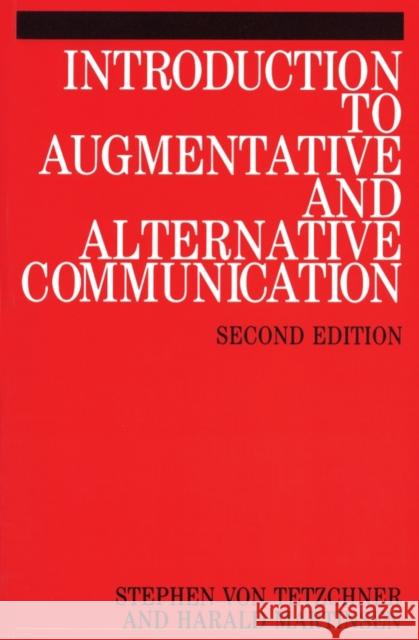
Stephen Von Tetzchner; Harald Martinsen; Stephen Von Tetzchner
Introduction to Augmentative 2e Von Tetzchner, Stephen 9781861561879 Whurr Publishers - książkaWidoczna okładka, to zdjęcie poglądowe, a rzeczywista szata graficzna może różnić się od prezentowanej.

Introduction to Augmentative 2e

ISBN-13: 9781861561879 / Angielski / Miękka / 2006 / 376 str.

Stephen Von Tetzchner; Harald Martinsen; Stephen Von Tetzchner
cena 392,68
(netto: 373,98 VAT:  5%)

Najniższa cena z 30 dni: 391,06
Termin realizacji zamówienia:
ok. 30 dni roboczych
Bez gwarancji dostawy przed świętami

Darmowa dostawa!

An introduction to augmentative and alternative communication. The authors discuss factors that are important when choosing communication systems, assessment strategies, environmental adaptation, and the principles for teaching comprehension and use of such communication systems to individuals with different disabilities, including motor impairments, learning disabilities and autism. The text has its basis in modern developmental theories of language and communication. It has a practical approach with many examples and focuses on every-day situations.


Kategorie:
Nauka, Językoznawstwo
Kategorie BISAC:
Language Arts & Disciplines > Communication Studies
Health & Fitness > Physical Impairments
Medical > Zaburzenia mowy
Wydawca:
Whurr Publishers
Język:
Angielski
ISBN-13:
9781861561879
Rok wydania:
2006
Wydanie:
Revised
Ilość stron:
376
Waga:
0.57 kg
Wymiary:
22.8 x 15.3 x 2.3
Oprawa:
Miękka
Wolumenów:
01
Dodatkowe informacje:
Wydanie ilustrowane

Preface.

Chapter 1 Introduction.

Terminology.

Notation.

Chapter 2 Augmentative and alternative communication.

Manual Signs.

Graphic Signs.

Blissymbols.

Pictogram Ideogram Communication.

Picture Communications Symbols.

Rebus.

Lexigrams.

Sigsymbols.

Pictures.

Orthographic script.

Tangible signs.

Premack′s word bricks.

Tactile signs.

Choosing a sign system.

Manual, graphic or tangible signs.

Use of the systems.

Manual signs.

Graphic signs.

Tangible signs.

Chapter 3 Communication aids.

Traditional aids.

High–technology aids.

Artificial speech.

Telecommunication aids.

Pointing.

Keyboards.

Switches.

Choosing a communication aid.

Mobility.

Direct selection and scanning.

Manual and electronic aids.

Some characteristics of aided communication.

Articulation.

Time.

The role of the conversational partner.

Chapter 4 Children, adolescents and adults in need of augmentative an alternative communication.

Three functional groups.

The expressive language group.

The supportive language group.

The alternative language group.

The most common groups in need of augmentative and alternative communication.

Motor impairment.

Developmental language disorders.

Learning disability.

Autism.

Rett′s syndrome.

Some common problems.

Learning takes time.

Generalisation.

Learned passivity and dependency on others.

Behavioural disorders.

Chapter 5 Assessment.

The need for toal intervention.

Assessment methods.

Tests.

Checklists.

Information from those in contact with the individual.

Systematic observation.

Experimental teaching.

Basic information.

Overview of the day.

General skills.

Interest in objects, activities and events.

Attention and initiation of communicative contact with others.

Self–help skills.

Self–occupancy.

Motor skills.

Vision and hearing.

Diagnosis.

The family′s need for support, relief and help.

Language and communication.

Use.

Comprehension.

Evaluating the language intervention.

Specific goals

Generalized effects.

Information transfer when changing schools, work and home.

Defining areas of responsibility.

Chapter 6 The teaching situation.

Joint attention.

Designing the teaching situation.

Planning for generalization.

Duration and location of teaching sessions.

Structuring.

Frame structure.

Situational structure.

Cues.

Initiating the intervention.

The effect of sign teaching on speech acquisition.

Chapter 7 Teaching strategies.

Structured overinterpretation and total communication.

Implicit and explicit teaching.

Comprehension and use of signs.

Teaching comprehension.

Natural situations.

Special training.

Teaching sign use.

Watch, wait and react.

Reacting to habitual behaviour.

Build–and–break chains.

Reacting to signal–triggered anticipatory behaviour.

Fulfilling wants.

Focusing on expression and comprehension.

Incidental teaching.

Structured waiting.

Naming.

Structured and unstructured situations.

Preparatory training.

Eye contact.

Gaze direction and attentiveness.

Sitting still.

Behaviour chains.

Imitation.

Motor skills.

Facilitating techniques.

Chapter 8 Choosing the first signs.

Exisiting communication.

General and specific signs.

Repetitions.

Motor skills.

Perception.

Iconicity.

Manual signs.

Graphic signs.

Tangible signs.

Simple and complex concepts.

What to expect.

Chapter 9 Further vocabulary development.

Alternative and supportive language groups.

Contrasts between signs.

Signs for proper names.

Expanding use.

Individual sign dictionaries.

The expressive language group.

User involment.

Expanding the situations in which signs may be used.

Increased access to signs.

Expanding the vocabulary by using sign combinations.

Ready–made vocabularies.

From graphic signs to orthographic script.

Chapter 10 Multi–sign utterances.

Vocabulary.

Pivots.

Verb island constructs.

New sign categories.

Inflections.

Sentences.

Horizontal and verical structures.

Topic–comment.

Semantic roles.

Negation.

Fill–in.

Chaining.

Ready–made sentences.

Cognitive effort.

Comprehension.

Bootstrapping.

Perspective.

Comprehension of spoken language.

Variation.

Chapter 11 Conversational skills.

Alternative language group.

Routines,plans and scripts.

Supportive language group.

Expressive language group.

Environmental strategies.

Partner strategies.

Conversational strategies.

Narratives.

Chapter 12 The language environment.

Adapting the environment.

The simultaneous use of speech and signs.

Simplified language.

Models.

Teaching families.

Teaching peers and friends.

Cost and benefit.

Chapter 13 Overview of case studies.

List of sign illustrations.

References and citation index.

Index.

An increasing number of families and professionals are involved with severely communication–impaired children, adolescents and adults who use alternative communication systems to compensate for delayed systems and strategies that can be used to increase the communicative possibilities of people with limited spoken language. The authors discuss factors that are important when choosing communication systems, assessment strategies, environmental adaptation, and the principles for teaching comprehension and use of such communication systems to individuals with different disabilities; including motor impairments, learning disability and autism.

This book is unique within the field of augmentative and alternative communication with its basis in modern developmental theories of language and communication, its practical approach with many examples and focus on every–day situations, and its coherent and readable text. It may serve as an introductory text book for speech and language therapists, teachers in school and preschool, psychologists and care nurses, as well as a source of information for families with members who have severe developmental speech and language disorders.


Udostępnij

Facebook - konto krainaksiazek.pl


Opinie o Krainaksiazek.pl na Opineo.pl

Partner Mybenefit

Krainaksiazek.pl w programie rzetelna firma Krainaksiaze.pl - płatności przez paypal

Czytaj nas na:

Facebook - krainaksiazek.pl
  • książki na zamówienie
  • granty
  • książka na prezent
  • kontakt
  • pomoc
  • opinie
  • regulamin
  • polityka prywatności

Zobacz:

  • Księgarnia czeska

  • Wydawnictwo Książkowe Klimaty

1997-2025 DolnySlask.com Agencja Internetowa

© 1997-2022 krainaksiazek.pl
     
KONTAKT | REGULAMIN | POLITYKA PRYWATNOŚCI | USTAWIENIA PRYWATNOŚCI
Zobacz: Księgarnia Czeska | Wydawnictwo Książkowe Klimaty | Mapa strony | Lista autorów
KrainaKsiazek.PL - Księgarnia Internetowa

Polityka prywatnosci - link
Krainaksiazek.pl - płatnośc Przelewy24
Przechowalnia Przechowalnia







