• Wyszukiwanie zaawansowane
  • Kategorie
  • Kategorie BISAC
  • Książki na zamówienie
  • Promocje
  • Granty
  • Książka na prezent
  • Opinie
  • Pomoc
  • Załóż konto
  • Zaloguj się

Image-Based Teaching: Techniques, Tips and Tricks » książka


zaloguj się | załóż konto
Logo Krainaksiazek.pl

koszyk

konto

szukaj
topmenu
Księgarnia internetowa
Szukaj
Książki na zamówienie
Promocje
Granty
Książka na prezent
Moje konto
Pomoc
 
 
Wyszukiwanie zaawansowane
Pusty koszyk
Bezpłatna dostawa dla zamówień powyżej 20 złBezpłatna dostawa dla zamówień powyżej 20 zł

Kategorie główne

• Nauka
 [2950560]
• Literatura piękna
 [1849509]

  więcej...
• Turystyka
 [71097]
• Informatyka
 [151150]
• Komiksy
 [35848]
• Encyklopedie
 [23178]
• Dziecięca
 [617388]
• Hobby
 [139064]
• AudioBooki
 [1657]
• Literatura faktu
 [228597]
• Muzyka CD
 [383]
• Słowniki
 [2855]
• Inne
 [445295]
• Kalendarze
 [1464]
• Podręczniki
 [167547]
• Poradniki
 [480102]
• Religia
 [510749]
• Czasopisma
 [516]
• Sport
 [61293]
• Sztuka
 [243352]
• CD, DVD, Video
 [3414]
• Technologie
 [219456]
• Zdrowie
 [101002]
• Książkowe Klimaty
 [124]
• Zabawki
 [2311]
• Puzzle, gry
 [3459]
• Literatura w języku ukraińskim
 [254]
• Art. papiernicze i szkolne
 [8079]
Kategorie szczegółowe BISAC

Image-Based Teaching: Techniques, Tips and Tricks

ISBN-13: 9783031118890 / Angielski / Twarda / 2022 / 302 str.
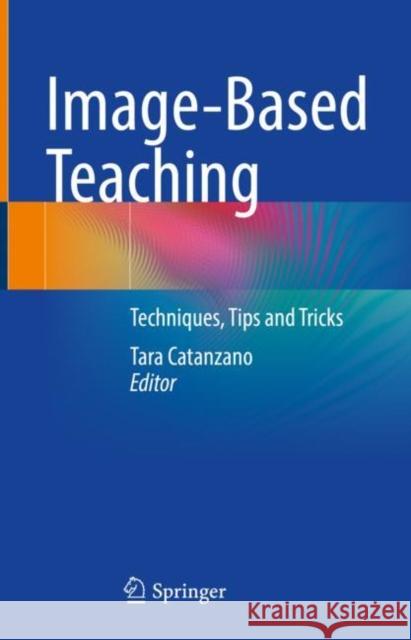
Tara Catanzano
Image-Based Teaching: Techniques, Tips and Tricks Tara Catanzano 9783031118890 Springer - książkaWidoczna okładka, to zdjęcie poglądowe, a rzeczywista szata graficzna może różnić się od prezentowanej.

Image-Based Teaching: Techniques, Tips and Tricks

ISBN-13: 9783031118890 / Angielski / Twarda / 2022 / 302 str.

Tara Catanzano
cena 563,56
(netto: 536,72 VAT:  5%)

Najniższa cena z 30 dni: 539,74
Termin realizacji zamówienia:
ok. 22 dni roboczych
Dostawa w 2026 r.

Darmowa dostawa!
inne wydania

This book offers detailed information on a variety of teaching techniques for radiology. Generational differences in communication and adult learning theory have led to changes in educational content delivery. Traditional didactic teaching methods are no longer embraced by students, requiring educators to learn and adopt new techniques. Radiologists currently in practice have little or no experience with these newer techniques, some thrust upon them abruptly by the COVID pandemic. In addition to practicing radiologists, the next generation of educators are currently in training and often do not receive instruction on educational theory and teaching techniques. It is incumbent upon members of the educational sphere to provide resources for these individuals. This work intends to provide just such a resource.The objectives of the book include:Explaining adult learning theory and brain-friendly teachingDescribing teaching techniques to leverage brain-friendly teachingReinforcing key points with links to online video-based lectures as an accompaniment to the textTopics covered across chapters include helping non-teaching faculty to teach, writing high quality MCQ questions, and teaching quality, safety, and professionalism. Each chapter will have one “key takeaway” chart at the conclusion of the chapter with high-yield key points highlighted in a bulleted format.This is an ideal guide for practicing radiologists, including those not currently working in academic centers. Faculty in non-academic centers can specifically benefit from chapters related to medical student, clinician and patient education. Future academic radiologists (i.e., fellows and residents) can benefit from the text as a foundation for careers in teaching hospitals and academic medical centers.

This book offers detailed information on a variety of teaching techniques for radiology. Generational differences in communication and adult learning theory have led to changes in educational content delivery. Traditional didactic teaching methods are no longer embraced by students, requiring educators to learn and adopt new techniques. Radiologists currently in practice have little or no experience with these newer techniques, some thrust upon them abruptly by the COVID pandemic. In addition to practicing radiologists, the next generation of educators are currently in training and often do not receive instruction on educational theory and teaching techniques. It is incumbent upon members of the educational sphere to provide resources for these individuals. This work intends to provide just such a resource.The objectives of the book include:

  • Explaining adult learning theory and brain-friendly teaching
  • Describing teaching techniques to leverage brain-friendly teaching
  • Reinforcing key points with links to online video-based lectures as an accompaniment to the text
Topics covered across chapters include helping non-teaching faculty to teach, writing high quality MCQ questions, and teaching quality, safety, and professionalism. Each chapter will have one “key takeaway” chart at the conclusion of the chapter with high-yield key points highlighted in a bulleted format.This is an ideal guide for practicing radiologists, including those not currently working in academic centers. Faculty in non-academic centers can specifically benefit from chapters related to medical student, clinician and patient education. Future academic radiologists (i.e., fellows and residents) can benefit from the text as a foundation for careers in teaching hospitals and academic medical centers.

Kategorie:
Nauka, Medycyna
Kategorie BISAC:
Medical > Biochemistry
Education > General
Medical > Radiologia
Wydawca:
Springer
Język:
Angielski
ISBN-13:
9783031118890
Rok wydania:
2022
Dostępne języki:
Ilość stron:
302
Oprawa:
Twarda

Brain friendly learning.- Teaching and communicating with millennial learners.- Engaging medical students and Generation Z.- Helping non-teaching faculty to teach (central tenants).- Teaching patients and clinicians.- Art and drawing in radiology education.- Workstation teaching.- Optimizing PowerPoint for radiology education.- Writing high quality MCQ questions.- Leveraging technology (e.g., Audience Response System).- Flipped classroom approaches.- Gaming in radiology education.- Teaching procedure skills.- Simulation (sim lab and in the conference room).- Teaching quality, safety, and professionalism.- Teaching research techniques and critical assessment of the literature.- Teaching the next generation of teachers (residents and fellows).- Social Media in radiology education.- Lessons learned from COVID (remote teaching techniques).

Dr. Catanzano is a Professor of Radiology at the University of Massachusetts Medical School-Baystate.  As the Radiology Residency Program Director and Vice Chair for Academic Affairs in the Department of Radiology, she is very active in education and faculty development.  In addition, she holds a position as the Associate Director for Academic Career Development in the Office of Faculty Affairs at UMMS-Baystate.  It is in these roles that she continues the educational development of her trainees and faculty members.


Dr. Catanzano has a substantial number of research and clinical interests including abdominal imaging in pregnancy, appropriate imaging utilization, faculty development, and educational innovation.  Her passion, however, remains developing the next generation of clinical and academic radiologists. 

This book offers detailed information on a variety of teaching techniques for radiology. Generational differences in communication and adult learning theory have led to changes in educational content delivery. Traditional didactic teaching methods are no longer embraced by students, requiring educators to learn and adopt new techniques. Radiologists currently in practice have little or no experience with these newer techniques, some thrust upon them abruptly by the COVID pandemic. In addition to practicing radiologists, the next generation of educators are currently in training and often do not receive instruction on educational theory and teaching techniques. It is incumbent upon members of the educational sphere to provide resources for these individuals. This work intends to provide just such a resource.

The objectives of the book include:

  • Explaining adult learning theory and brain-friendly teaching
  • Describing teaching techniques to leverage brain-friendly teaching
  • Reinforcing key points with links to online video-based lectures as an accompaniment to the text

Topics covered across chapters include helping non-teaching faculty to teach, writing high quality MCQ questions, and teaching quality, safety, and professionalism. Each chapter will have one “key takeaway” chart at the conclusion of the chapter with high-yield key points highlighted in a bulleted format.

This is an ideal guide for practicing radiologists, including those not currently working in academic centers. Faculty in non-academic centers can specifically benefit from chapters related to medical student, clinician and patient education. Future academic radiologists (i.e., fellows and residents) can benefit from the text as a foundation for careers in teaching hospitals and academic medical centers.


Udostępnij

Facebook - konto krainaksiazek.pl


Opinie o Krainaksiazek.pl na Opineo.pl

Partner Mybenefit

Krainaksiazek.pl w programie rzetelna firma Krainaksiaze.pl - płatności przez paypal

Czytaj nas na:

Facebook - krainaksiazek.pl
  • książki na zamówienie
  • granty
  • książka na prezent
  • kontakt
  • pomoc
  • opinie
  • regulamin
  • polityka prywatności

Zobacz:

  • Księgarnia czeska

  • Wydawnictwo Książkowe Klimaty

1997-2025 DolnySlask.com Agencja Internetowa

© 1997-2022 krainaksiazek.pl
     
KONTAKT | REGULAMIN | POLITYKA PRYWATNOŚCI | USTAWIENIA PRYWATNOŚCI
Zobacz: Księgarnia Czeska | Wydawnictwo Książkowe Klimaty | Mapa strony | Lista autorów
KrainaKsiazek.PL - Księgarnia Internetowa

Polityka prywatnosci - link
Krainaksiazek.pl - płatnośc Przelewy24
Przechowalnia Przechowalnia






