• Wyszukiwanie zaawansowane
  • Kategorie
  • Kategorie BISAC
  • Książki na zamówienie
  • Promocje
  • Granty
  • Książka na prezent
  • Opinie
  • Pomoc
  • Załóż konto
  • Zaloguj się

Human Ocular Microbiome » książka


zaloguj się | załóż konto
Logo Krainaksiazek.pl

koszyk

konto

szukaj
topmenu
Księgarnia internetowa
Szukaj
Książki na zamówienie
Promocje
Granty
Książka na prezent
Moje konto
Pomoc
 
 
Wyszukiwanie zaawansowane
Pusty koszyk
Bezpłatna dostawa dla zamówień powyżej 20 złBezpłatna dostawa dla zamówień powyżej 20 zł

Kategorie główne

• Nauka
 [2949965]
• Literatura piękna
 [1857847]

  więcej...
• Turystyka
 [70818]
• Informatyka
 [151303]
• Komiksy
 [35733]
• Encyklopedie
 [23180]
• Dziecięca
 [617748]
• Hobby
 [139972]
• AudioBooki
 [1650]
• Literatura faktu
 [228361]
• Muzyka CD
 [398]
• Słowniki
 [2862]
• Inne
 [444732]
• Kalendarze
 [1620]
• Podręczniki
 [167233]
• Poradniki
 [482388]
• Religia
 [509867]
• Czasopisma
 [533]
• Sport
 [61361]
• Sztuka
 [243125]
• CD, DVD, Video
 [3451]
• Technologie
 [219309]
• Zdrowie
 [101347]
• Książkowe Klimaty
 [123]
• Zabawki
 [2362]
• Puzzle, gry
 [3791]
• Literatura w języku ukraińskim
 [253]
• Art. papiernicze i szkolne
 [7933]
Kategorie szczegółowe BISAC

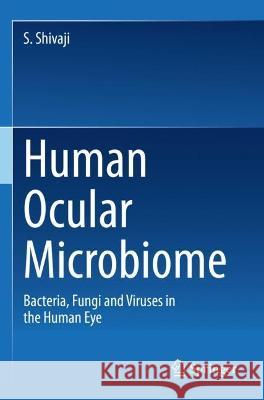
Human Ocular Microbiome

ISBN-13: 9789811917561 / Angielski / Miękka / 2023
S. Shivaji
Human Ocular Microbiome S. Shivaji 9789811917561 Springer Nature Singapore - książkaWidoczna okładka, to zdjęcie poglądowe, a rzeczywista szata graficzna może różnić się od prezentowanej.

Human Ocular Microbiome

ISBN-13: 9789811917561 / Angielski / Miękka / 2023

S. Shivaji
cena 605,23 zł
(netto: 576,41 VAT:  5%)

Najniższa cena z 30 dni: 578,30 zł
Termin realizacji zamówienia:
ok. 22 dni roboczych
Bez gwarancji dostawy przed świętami

Darmowa dostawa!
inne wydania

This book provides an integrated review of the human ocular microbiome. It documents the discovery of ocular surface microbes by the conventional cultivable method and next generation sequencing technologies in both healthy and diseased (keratitis, uveitis, endophthalmitis, blepharitis, conjunctivitis etc.) eyes. The book further discusses the confounding factors that influence the microbiome, mycobiome and virome. The chapters cover niche-specificity with reference to skin, eyelid- margin, hands etc. It highlights the concept of core genera, dysbiosis and discriminating genera and covers the functional relevance of the dysbiotic microbiome, mycobiome and virome with respect to ocular diseases. The book includes topics on the relevance of molecular mechanisms, including quorum-sensing and mucin metabolism to ocular disorders, such as dry eye; and, microbiome-based therapies for treating of ocular disorders like vernal keratoconjunctivitis. 


The book is essential for microbiologists studying the human eye, ophthalmologists treating eye infection and trauma. It also caters to students of medical microbiology and medicine.

Kategorie:
Nauka, Medycyna
Kategorie BISAC:
Science > Mikrobiologia
Medical > Microbiology
Science > Life Sciences - Virology
Wydawca:
Springer Nature Singapore
Język:
Angielski
ISBN-13:
9789811917561
Rok wydania:
2023
Waga:
0.49 kg
Wymiary:
23.5 x 15.5
Oprawa:
Miękka
Dodatkowe informacje:
Wydanie ilustrowane


Chapter 1. From the gut microbiome to the ocular microbiome: are they associated?

 Chapter 2. The cultivable bacteria of the human eye

1. Introduction

2. Commensal microbiome of the ocular surface

2.1. Bacterial load on the ocular surface

2.2. Viable community of bacteria on the ocular surface

2.3. Impact of age on the ocular surface cultivable microbiome

2.4 Impact of sex on ocular surface cultivable microbiome

2.5. Impact of geographical location on ocular surface cultivable microbiome

3.  Cultivable Microbiome of eye lids and tears

4. Ocular microbiota changes in the diseased eye

4.1 Keratitis

4.2 Conjunctivitis

4.3 Blepharitis

4.4 Scleritis

4.5 Orbital cellulitis

4.6 Endopthalmitis

4.7 Uveitis

4.8. Retinitis

4.9. Post-fever Retinitis

4.10. Dacryocystitis

4.11. Meibomian gland dysfunction

4.12. Dry eye disease

4.13. Stevens-Johnson syndrome

4.14. Sjorgen’s syndrome

4.15. Lax eyelid syndrome

4.16. Ocular graft-vs host disease

4.17. Prior to cataract surgery

4.18. Diabetes

4.19. Contact lens use

4.20. Alcoholism

4.21. Chronic Limbal Stem Cell Deficiency

4.22. Behçet’s disease

5. Treatment of ocular infectious diseases

6. Conclusions

7. References

Chapter 3. The microbiome of the human eye

1. Introduction

2. What is a microbiome?

3. The microbiome approach

3.1 Amplicon sequencing

3.2 Metagenome sequencing

4. Identification of ocular bacteria by culture–independent methods

4.1 The ocular surface microbiome using amplicon sequencing

4.2  Impact of age on ocular surface microbiome

4.3 Impact of sex on ocular surface  microbiome

4.4.Impact of geographical location on ocular surface cultivable microbiome

5. Microbiome of  various microhabitats of the eye

6.Effect of Sampling Depth on the ocular surface microbiome

7. Ocular microbiome changes in the diseased eye

7.1 Ocular microbiome of individuals with keratitis

7.2 Ocular microbiome of individuals with Endophthalmitis

7.3 Ocular surface microbiome of individuals with Conjunctivitis

7.4 Ocular surface microbiome of individuals with Blepharitis

7.5 Ocular surface microbiome of individuals with Retinitis

7.6 Ocular surface microbiome of individuals with Meibomian Gland dysfunction

7.7 Ocular surface microbiome of individuals with Dry eye disease

7.8 Ocular surface microbiome of individuals with Stevens-Johnson syndrome

7.9 Ocular surface microbiome of individuals with Sjorgens syndrome

7.10  Ocular surface microbiome of individuals with Ocular Graft Versus Host Disease

7.11 Ocular surface microbiome of individuals with Diabetes Mellitus

7.12 Ocular surface microbiome of individuals with contact lens use

7.13 Ocular surface microbiome of individuals with Floppy Eyelid Syndrome

7.14 Ocular surface microbiome of individuals with Trachoma

8. Conclusions

9. References


Chapter 4. Antimicrobial resistance in ocular bacteria

1. Introduction

2. AMR in ocular bacteria

3.Factors driving antibiotic resistance in ocular bacteria

4. What is a biofilm?

5. AMR in ocular bacteria is associated with biofilm formation

6. Biofilm in the diseased eye

6.1. Biofilms in Endophthalmitis

6.2 Biofilms in Keratitis

7. Biofilms Associated with ocular  Implants

8. Quorum sensing and biofilm formation in ocular bacteria

9. Candidate genes involved in biofilm formation in ocular bacteria

10. Hacking biofilms to overcome AMR

11. Limitations in hacking strategies


Chapter 5. The cultivable fungi of the human eye

Chapter 6. The ocular mycobiome of the human eye

Chapter 7. The ocular virome of the human eye

Chapter 8. Commensals of the eye and ocular diseases Chapter 9. Ocular microbes as agents of cure for the diseased human eye

Chapter 10. Ocular Surface Immunity and  Homeostasis Mechanisms

Chapter 11. Microbiome and ocular diseases: a molecular basis


Dr. S Shivaji, Director Emeritus and Senior Scientist at the Brien Holden Eye Research Centre at LVPEI, Hyderabad, was the Director of BHERC till 2020. His research focuses on the connection between gut and ocular microbiomes with eye diseases. Earlier, at the CCMB, he explored the microbial diversity of Antarctica, Arctic, Himalayas, and Stratosphere. He is a fellow of National Academy of Sciences, Indian Academy of Sciences, Telangana Akademi of Sciences and Association of Microbiologists of India. He is a recipient of National Antarctic Award, National Polar Sciences and Cryosphere Award, E K Janaki Ammal Award, and others. He is ranked among the top 2% of scientists in the world and has published > 350 research papers and 2 books.

This book provides an integrated review of the human ocular microbiome. It documents the discovery of ocular surface microbes by the conventional cultivable method and next generation sequencing technologies in both healthy and diseased (keratitis, uveitis, endophthalmitis, blepharitis, conjunctivitis etc.) eyes. The book further discusses the confounding factors that influence the microbiome, mycobiome and virome. The chapters cover niche-specificity with reference to skin, eyelid- margin, hands etc. It highlights the concept of core genera, dysbiosis and discriminating genera and covers the functional relevance of the dysbiotic microbiome, mycobiome and virome with respect to ocular diseases. The book includes topics on the relevance of molecular mechanisms, including quorum-sensing and mucin metabolism to ocular disorders, such as dry eye; and, microbiome-based therapies for treating of ocular disorders like vernal keratoconjunctivitis. 


The book is essential for microbiologists studying the human eye, ophthalmologists treating eye infection and trauma. It also caters to students of medical microbiology and medicine.


Udostępnij

Facebook - konto krainaksiazek.pl


Opinie o Krainaksiazek.pl na Opineo.pl

Partner Mybenefit

Krainaksiazek.pl w programie rzetelna firma Krainaksiaze.pl - płatności przez paypal

Czytaj nas na:

Facebook - krainaksiazek.pl
  • książki na zamówienie
  • granty
  • książka na prezent
  • kontakt
  • pomoc
  • opinie
  • regulamin
  • polityka prywatności

Zobacz:

  • Księgarnia czeska

  • Wydawnictwo Książkowe Klimaty

1997-2025 DolnySlask.com Agencja Internetowa

© 1997-2022 krainaksiazek.pl
     
KONTAKT | REGULAMIN | POLITYKA PRYWATNOŚCI | USTAWIENIA PRYWATNOŚCI
Zobacz: Księgarnia Czeska | Wydawnictwo Książkowe Klimaty | Mapa strony | Lista autorów
KrainaKsiazek.PL - Księgarnia Internetowa

Polityka prywatnosci - link
Krainaksiazek.pl - płatnośc Przelewy24
Przechowalnia Przechowalnia






