How Governments Form: Political Systems Explained » książka





How Governments Form: Political Systems Explained
ISBN-13: 9783565251094 / Angielski / Miękka / 244 str.
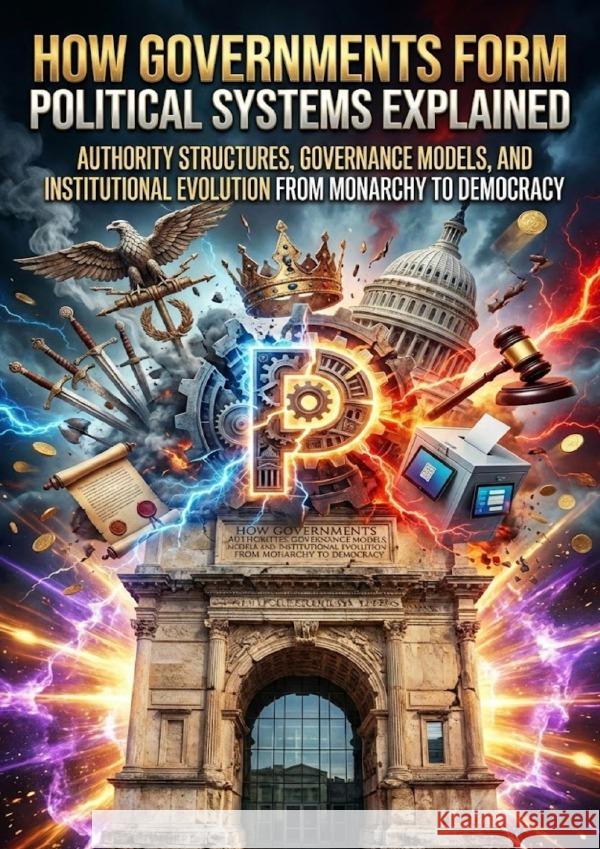
Political systems reflect fundamental questions about legitimacy, power distribution, and collective decision-making that societies address through diverse institutional arrangements. This history examines how different governance models emerged, functioned, and transformed, revealing patterns in how humans organize authority while responding to internal pressures and external challenges.Drawing on constitutional documents, legislative records, political treatises, and comparative analysis, the narrative explores major governance systems across civilizations. Monarchies concentrated authority in hereditary rulers claiming divine sanction or traditional legitimacy. Aristocracies distributed power among landowning elites. Theocracies vested authority in religious institutions and sacred law. City-states experimented with citizen assemblies practicing direct democracy or oligarchic councils representing merchant classes.The book traces institutional innovations that shaped modern systems. Republican Rome balanced consular executive power with senatorial deliberation and tribunician veto rights. Medieval parliaments emerged as monarchs negotiated taxation with representative estates. The Enlightenment generated theories of social contract, separation of powers, and natural rights that justified limiting governmental authority. Revolutionary movements established constitutional frameworks codifying rights and institutional checks.
Societies organize authority through diverse systems-monarchies, republics, federations-each reflecting particular answers to questions about legitimacy, representation, and power distribution.




Czytaj nas na:
KrainaKsiazek.PL - Księgarnia Internetowa


