• Wyszukiwanie zaawansowane
  • Kategorie
  • Kategorie BISAC
  • Książki na zamówienie
  • Promocje
  • Granty
  • Książka na prezent
  • Opinie
  • Pomoc
  • Załóż konto
  • Zaloguj się

Handbook on Sourdough Biotechnology » książka


zaloguj się | załóż konto
Logo Krainaksiazek.pl

koszyk

konto

szukaj
topmenu
Księgarnia internetowa
Szukaj
Książki na zamówienie
Promocje
Granty
Książka na prezent
Moje konto
Pomoc
 
 
Wyszukiwanie zaawansowane
Pusty koszyk
Bezpłatna dostawa dla zamówień powyżej 20 złBezpłatna dostawa dla zamówień powyżej 20 zł

Kategorie główne

• Nauka
 [2950560]
• Literatura piękna
 [1849509]

  więcej...
• Turystyka
 [71097]
• Informatyka
 [151150]
• Komiksy
 [35848]
• Encyklopedie
 [23178]
• Dziecięca
 [617388]
• Hobby
 [139064]
• AudioBooki
 [1657]
• Literatura faktu
 [228597]
• Muzyka CD
 [383]
• Słowniki
 [2855]
• Inne
 [445295]
• Kalendarze
 [1464]
• Podręczniki
 [167547]
• Poradniki
 [480102]
• Religia
 [510749]
• Czasopisma
 [516]
• Sport
 [61293]
• Sztuka
 [243352]
• CD, DVD, Video
 [3414]
• Technologie
 [219456]
• Zdrowie
 [101002]
• Książkowe Klimaty
 [124]
• Zabawki
 [2311]
• Puzzle, gry
 [3459]
• Literatura w języku ukraińskim
 [254]
• Art. papiernicze i szkolne
 [8079]
Kategorie szczegółowe BISAC

Handbook on Sourdough Biotechnology

ISBN-13: 9783031230837 / Angielski / Twarda / 2023
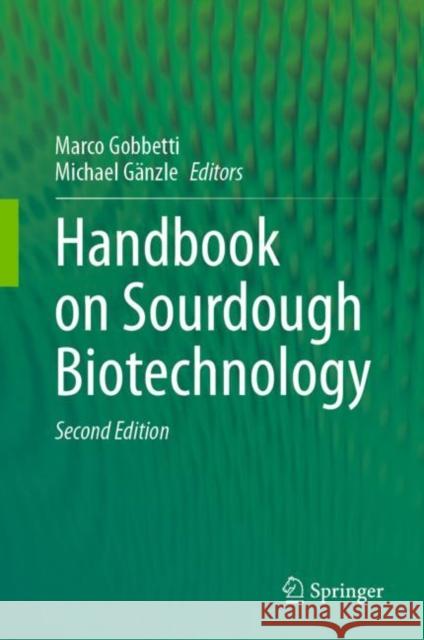
Marco Gobbetti; Michael Ganzle
Handbook on Sourdough Biotechnology Marco Gobbetti Michael Ganzle 9783031230837 Springer - książkaWidoczna okładka, to zdjęcie poglądowe, a rzeczywista szata graficzna może różnić się od prezentowanej.

Handbook on Sourdough Biotechnology

ISBN-13: 9783031230837 / Angielski / Twarda / 2023

Marco Gobbetti; Michael Ganzle
cena 885,61
(netto: 843,44 VAT:  5%)

Najniższa cena z 30 dni: 848,19
Termin realizacji zamówienia:
ok. 22 dni roboczych
Dostawa w 2026 r.

Darmowa dostawa!
inne wydania

Bread and leavened bakery products have been essential to human nourishment for millennia. Traditionally, bread production has relied on the use of sourdough as a leavening agent and to impart a characteristic quality to baked goods. In recent years, improved understanding of the biodiversity and microbial ecology of sourdough microbiota, the discovery of new species, the improved management and monitoring of its meta-community and the commercialization of innovative products have vastly expanded the potential of sourdough fermentation for making baked goods. For example, raw materials such as cereals, pseudo-cereals, ancient grains, and gluten-free substrates, as well as a large number of baked good varieties (e.g., typical and industrial breads, sweet baked goods, gluten-free products) may benefit from advances in sourdough fermentation. In addition, biotechnological tools and culture properties have been discovered to improve both the shelf life and the sensory and textural qualities of baked goods, as well as their nutritional and health-promoting properties.Now in its second edition, the Handbook on Sourdough Biotechnology remains the only book dedicated completely to sourdough biotechnology with the contribution of the most experienced researchers from the field. It reviews the history of sourdough and the potential of sourdough fermentation in the production of bread and baked goods. A thorough discussion of the various processing steps includes the chemical properties of the raw matter, the taxonomy, diversity, and metabolic properties of starter yeasts and lactic acid bacteria, and the effects of sourdough fermentation on the shelf life and the sensory, textural, nutritional, and health-promoting properties of baked goods.


Bread and leavened bakery products have been essential to human nourishment for millennia. Traditionally, bread production has relied on the use of sourdough as a leavening agent and to impart a characteristic quality to baked goods. In recent years, improved understanding of the biodiversity and microbial ecology of sourdough microbiota, the discovery of new species, the improved management and monitoring of its meta-community and the commercialization of innovative products have vastly expanded the potential of sourdough fermentation for making baked goods. For example, raw materials such as cereals, pseudo-cereals, ancient grains, and gluten-free substrates, as well as a large number of baked good varieties (e.g., typical and industrial breads, sweet baked goods, gluten-free products) may benefit from advances in sourdough fermentation. In addition, biotechnological tools and culture properties have been discovered to improve both the shelf life and the sensory and textural qualities of baked goods, as well as their nutritional and health-promoting properties.Now in its second edition, the Handbook on Sourdough Biotechnology remains the only book dedicated completely to sourdough biotechnology with the contribution of the most experienced researchers from the field. It reviews the history of sourdough and the potential of sourdough fermentation in the production of bread and baked goods. A thorough discussion of the various processing steps includes the chemical properties of the raw matter, the taxonomy, diversity, and metabolic properties of starter yeasts and lactic acid bacteria, and the effects of sourdough fermentation on the shelf life and the sensory, textural, nutritional, and health-promoting properties of baked goods.

Kategorie:
Nauka, Biologia i przyroda
Kategorie BISAC:
Technology & Engineering > Food Science - Chemistry & Biotechnology
Science > Biotechnology
Science > Chemia
Wydawca:
Springer
Język:
Angielski
ISBN-13:
9783031230837
Rok wydania:
2023
Dostępne języki:
Oprawa:
Twarda
Dodatkowe informacje:
Wydanie ilustrowane

1. History and Social Aspects of Sourdough Stefan Cappelle, Lacaze Guylaine, Michael Gänzle, and Marco Gobbetti

2. The sourdough legislation Markus Brandt

3. Chemistry of Cereal Grains Cristina M. Rosell

4. Technology of Sourdough Fermentation and Sourdough Applications Stefan Cappelle, Markus Brandt and Jussi Loponen

5. Steamed Bread. Bowen Yang and Dan Xu Jiangnan

6. Taxonomy and Biodiversity of Sourdough Lactic Acid Bacteria Luc De Vuyst

7. Taxonomy, Biodiversity and Physiology of Sourdough Yeasts Delphine Sicard

8. Physiology and Biochemistry of Lactic Acid Bacteria Michael Gänzle and Marco Gobbetti

9. Sourdough: A Tool to Improve Bread Flavor, Rheology and Shelf Life Maria De Angelis and Michael Gänzle

10. Sourdough: A Tool for Non-Conventional Fermentation and To Recover Side Streams Carlo G. Rizzello

11. Nutritional Aspects of Cereal Fermentation with Lactic Acid Bacteria and Yeasts Kati Katina and Marco Gobbetti

12. Sourdough and Gluten-Free Products Elke K. Arendt and Emanuele Zannini  

13. Sourdough and Cereal Beverages Jussi Loponen

14. Perspectives Michael Gänzle and Marco Gobbetti

Marco Gobbetti is full professor of Food Microbiology at the Faculty of Science and Technology of the University of Bolzano. He is author of more than 400 articles, all published in international journals. His H index is 90, with more than 25,000 citations. Sourdough microbiology is one of the main topics of his research. 

Michael Gänzle is full professor and Canada Research Chair in Food Microbiology and Probiotics at the Department of Agricultural, Food and Nutritional Science of the University of Alberta. The microbial ecology of cereal fermentations and the influence of fermentation on bread quality are a major focus of his research program.

Bread and leavened bakery products have been essential to human nourishment for millennia. Traditionally, bread production has relied on the use of sourdough as a leavening agent and to impart a characteristic quality to baked goods. In recent years, improved understanding of the biodiversity and microbial ecology of sourdough microbiota, the discovery of new species, the improved management and monitoring of its meta-community and the commercialization of innovative products have vastly expanded the potential of sourdough fermentation for making baked goods. For example, raw materials such as cereals, pseudo-cereals, ancient grains, and gluten-free substrates, as well as a large number of baked good varieties (e.g., typical and industrial breads, sweet baked goods, gluten-free products) may benefit from advances in sourdough fermentation. In addition, biotechnological tools and culture properties have been discovered to improve both the shelf life and the sensory and textural qualities of baked goods, as well as their nutritional and health-promoting properties.

Now in its second edition, the Handbook on Sourdough Biotechnology remains the only book dedicated completely to sourdough biotechnology with the contribution of the most experienced researchers from the field. It reviews the history of sourdough and the potential of sourdough fermentation in the production of bread and baked goods. A thorough discussion of the various processing steps includes the chemical properties of the raw matter, the taxonomy, diversity, and metabolic properties of starter yeasts and lactic acid bacteria, and the effects of sourdough fermentation on the shelf life and the sensory, textural, nutritional, and health-promoting properties of baked goods.




Udostępnij

Facebook - konto krainaksiazek.pl


Opinie o Krainaksiazek.pl na Opineo.pl

Partner Mybenefit

Krainaksiazek.pl w programie rzetelna firma Krainaksiaze.pl - płatności przez paypal

Czytaj nas na:

Facebook - krainaksiazek.pl
  • książki na zamówienie
  • granty
  • książka na prezent
  • kontakt
  • pomoc
  • opinie
  • regulamin
  • polityka prywatności

Zobacz:

  • Księgarnia czeska

  • Wydawnictwo Książkowe Klimaty

1997-2025 DolnySlask.com Agencja Internetowa

© 1997-2022 krainaksiazek.pl
     
KONTAKT | REGULAMIN | POLITYKA PRYWATNOŚCI | USTAWIENIA PRYWATNOŚCI
Zobacz: Księgarnia Czeska | Wydawnictwo Książkowe Klimaty | Mapa strony | Lista autorów
KrainaKsiazek.PL - Księgarnia Internetowa

Polityka prywatnosci - link
Krainaksiazek.pl - płatnośc Przelewy24
Przechowalnia Przechowalnia




