• Wyszukiwanie zaawansowane
  • Kategorie
  • Kategorie BISAC
  • Książki na zamówienie
  • Promocje
  • Granty
  • Książka na prezent
  • Opinie
  • Pomoc
  • Załóż konto
  • Zaloguj się

HCV Infection and Cryoglobulinemia » książka


zaloguj się | załóż konto
Logo Krainaksiazek.pl

koszyk

konto

szukaj
topmenu
Księgarnia internetowa
Szukaj
Książki na zamówienie
Promocje
Granty
Książka na prezent
Moje konto
Pomoc
 
 
Wyszukiwanie zaawansowane
Pusty koszyk
Bezpłatna dostawa dla zamówień powyżej 20 złBezpłatna dostawa dla zamówień powyżej 20 zł

Kategorie główne

• Nauka
 [2950560]
• Literatura piękna
 [1849509]

  więcej...
• Turystyka
 [71097]
• Informatyka
 [151150]
• Komiksy
 [35848]
• Encyklopedie
 [23178]
• Dziecięca
 [617388]
• Hobby
 [139064]
• AudioBooki
 [1657]
• Literatura faktu
 [228597]
• Muzyka CD
 [383]
• Słowniki
 [2855]
• Inne
 [445295]
• Kalendarze
 [1464]
• Podręczniki
 [167547]
• Poradniki
 [480102]
• Religia
 [510749]
• Czasopisma
 [516]
• Sport
 [61293]
• Sztuka
 [243352]
• CD, DVD, Video
 [3414]
• Technologie
 [219456]
• Zdrowie
 [101002]
• Książkowe Klimaty
 [124]
• Zabawki
 [2311]
• Puzzle, gry
 [3459]
• Literatura w języku ukraińskim
 [254]
• Art. papiernicze i szkolne
 [8079]
Kategorie szczegółowe BISAC

HCV Infection and Cryoglobulinemia

ISBN-13: 9788847017047 / Angielski / Twarda / 2011 / 362 str.
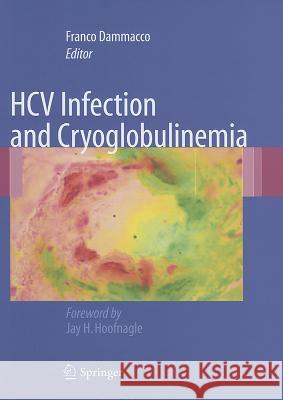
Franco Dammacco
HCV Infection and Cryoglobulinemia Franco Dammacco 9788847017047 Not Avail - książkaWidoczna okładka, to zdjęcie poglądowe, a rzeczywista szata graficzna może różnić się od prezentowanej.

HCV Infection and Cryoglobulinemia

ISBN-13: 9788847017047 / Angielski / Twarda / 2011 / 362 str.

Franco Dammacco
cena 603,81
(netto: 575,06 VAT:  5%)

Najniższa cena z 30 dni: 578,30
Termin realizacji zamówienia:
ok. 22 dni roboczych
Dostawa w 2026 r.

Darmowa dostawa!

The first observation of cold-induced precipitation of serum proteins dates back to 1933, when Wintrobe and Buell first described an unusual case of multiple myeloma in a woman whose serum reversibly precipitated at cold temperatures. In 1947 Lerner and Watson showed cold-precipitable proteins to be gammaglobulins and called them cryoglobulins and the corresponding clinical condition cryoglobulinemia . Meltzer and Franklin in 1966 provided an accurate description of the typical clinical symptoms associated with cryoglobulinemia, showed that they consisted of two different globulin components and, because of the ignorance on its etiology, called this clinical condition essential mixed cryoglobulinemia . For almost 20 years progress has been rather slow in this field, but when at the end of the 80s it finally became possible to detect the occurrence in the serum of antibodies to the hepatitis C virus (HCV), many groups in Europe and the United States almost simultaneously reported that a high proportion of essential cryoglobulinemias are in fact associated with HCV infection. This hallmark has resulted in a new impetus and great enthusiasm in carrying out new researches made possible by the awareness that cryoglobulinemia is to be considered an undisputable extrahepatic manifestation of HCV infection. In addition, the evidence that HCV has tropism for hepatocytes and lymphocytes has stimulated new approaches to the autoimmune phenomena and the potential transformation in non-Hodgkin s lymphomas which not infrequently can be discovered in these patients. The same applies to the obvious therapeutic implications, once the association between HCV infection and mixed cryoglobulinemia has been firmly established. It was thus felt that times were ripe to produce a state-of-the-art survey of the multi-faceted picture of cryoglobulinemia. This book is indeed unique in the detail of its presentation, its completeness and its fundamental approach to the subject. The most qualified authors have been invited to contribute critical articles reviewing significant developments related to each of the eight sections in which the whole treatment has been divided: from basic mechanisms governing interactions between HCV and the immune system to the immunochemical characterization of cryoglobulins and the frequently concomitant serological abnormalities; from genetic features and the role of certain cytokines and chemokines to the cellular compartments of HCV infection and replication; from the clinical manifestations of cryoglobulinemic patients and their potential susceptibility to develop non-Hodgkin s lymphoma to conventional treatment of the syndrome and the newer, promising therapeutic advances. The reader will appreciate the immediacy of style, the striking illustrations, and the color plates. In addition, the comprehensive review of a systemic disease such as cryoglobulinemia will interest basic scientists and specialists involved in several disciplines, including internal medicine, hepatology, hematology, oncology, infectious diseases, rheumatology, nephrology and dermatology. General practitioners, graduate and post-graduate students will also find in this book an irreplaceable source of update in this fascinating field."


Kategorie:
Nauka, Medycyna
Kategorie BISAC:
Medical > Gastroenterologia
Medical > Choroby zakaźne
Medical > Internal Medicine
Wydawca:
Not Avail
Język:
Angielski
ISBN-13:
9788847017047
Rok wydania:
2011
Ilość stron:
362
Waga:
1.08 kg
Wymiary:
26.67 x 20.07 x 2.29
Oprawa:
Twarda
Wolumenów:
01
Dodatkowe informacje:
Bibliografia
Wydanie ilustrowane

Hepatitis C Virus infection and the role of the immune system: Natural history, pathogenesis, and prevention of HCV infection. Interactions between HCV and the immune system. Molecular characterization of B cell clonal expansion in chronic HCV-infected patients.- Cryoglobulinemia: Immunochemical Characterization, Serological Abnormalities and Histopathological Changes: Classification and serological studies of cryoglobulins. The complement system in cryoglobulinemia. The role of gC1q-R/p33 in infection and inflammation. The pivotal role of C1q-R in mixed cryoglobulinemia. Autoimmune phenomena in HCV-positive patients with mixed cryoglobulinemia. Histopathology of various tissues in cryoglobulinemic patients.- Structural and Genetic Features, Cytokines and Chemokines In Cryoglobulinemia: Mixed cryoglobulinemia cross-reactive idiotypes: structural and clinical significance. Genetic insights into the disease mechanisms of type II mixed cryoglobulinemia. The role of vascular cell adhesion molecule-1 (VCAM-1) in the pathogenesis of vasculitis associated with mixed cryoglobulinemia. Upregulation of B-lymphocyte stimulator (BLyS) in patients with mixed cryoglobulinemia. B cell deregulation in cryoglobulinemia and the role of chemokines. Alpha-chemokine CXCL10 and beta-chemokine CCL2 serum levels in HCV-positive cryoglobulinemia.- Cellular Compartments of HCV Infection (and Replication): Mechanisms of cell entry of hepatitis C virus. Infection of dendritic and liver cells. Infection of perihepatic lymph nodes and peripheral blood mononuclear cells. Infection of hematopoietic cells. Infection of the skin, renal tissue and gastric mucosa.- Mechanism(s) of Cryoprecipitation: Proteome analysis of cryoglobulins by resonance mass spectrometry.- Clinical Manifestations of Cryoglobulinemia: Experimental model(s) of mixed cryoglobulinemia. Cryoglobulinemia and chronic HCV infection: an evolving story. Demographic and survival studies of cryoglobulinemic patients. The expanding spectrum of clinical features in HCV-related mixed cryoglobulinemia. A national survey of clinical features in the cryoglobulinemic syndrome. HCV-associated membranoproliferative glomerulonephritis. Rheumatologic symptoms in patients with mixed cryoglobulinemia. Endocrine manifestations of HCV-positive cryoglobulinemia. Cryoglobulinemic cutaneous vasculitis. Central nervous system involvement and peripheral neuropathy in cryoglobulinemia. Long-term course of patients with mixed cryoglobulinemia. Clinical and immunological features of HCV/HBV co-infected patients with mixed cryoglobulinemia. Clinical and immunological features of HCV/HIV co-infected patients with mixed cryoglobulinemia. HCV-negative mixed cryoglobulinemia: facts and fancies. Cryoglobulinemia in HCV-positive renal transplant and liver transplant patients.- HCV Infection, Cryoglobulinemia and Non-Hodgkin’s Lymphomas: Chromosome abnormalities in HCV-related lymphoproliferation. Molecular features of lymphoproliferation in mixed cryoglobulinemia. HCV infection, cryoglobulinemia and splenic lymphoma with villous lymphocytes: a serendipitous coincidence or a new entity? Incidence and characteristics of non-Hodgkin’s lymphomas in a multicenter case file of HCV-positive patients with mixed cryoglobulinemia. HCV-positive patients, with or without cryoglobulinemia, show a higher prevalence of B-cell non-Hodgkin’s lymphoma. HCV-positive patients, with or without cryoglobulinemia, are not more susceptible to B-cell non-Hodgkin’s lymphoma. Waldenström’s macroglobulinemia associated to cryoglobulinemia: pathogenetic, clinical and therapeutic aspects.- Therapy of Cryoglobulinemia: Should HCV-positive asymptomatic patients with mixed cryoglobulinemia be treated with combined antiviral therapy? The role of Rituximab in the therapy of mixed cryoglobulinemia. Should the use of Rituximab be restricted to refractory and relapsing patients with cryoglobulinemic vasculitis? PIRR therapy in HCV-related mixed cryoglobulinemia. Active or indolent cutaneous ulcers in cryoglobulinemia: how should they be treated. Double filtration plasmapheresis: an effective, symptomatic treatment of cryoglobulinemia. Therapeutic approach to emergency in cryoglobulinemia. Relapse of anti-HCV-positive mixed cryoglobulinemia in patients with sustained viral response. Novel therapeutic approaches to cryoglobulinemia: Imatinib, Infliximab, Bortezomib and beyond.

In 1947, Lerner and Watson showed that the cold-precipitable proteins in serum were gammaglobulins. These “cryoglobulins” were responsible for the corresponding clinical condition “cryoglobulinemia.” Meltzer and Franklin, in 1966, provided an accurate description of the typical clinical symptoms associated with cryoglobulinemia. Subsequent progress in this field was rather slow until the end of the 1980s, when cryoglobulinemia was definitively shown to be an extrahepatic manifestation of hepatitis C virus infection.

The book is unique in its detailed presentation and fundamental approach. Highly qualified authors have contributed critical articles reviewing significant developments in our understanding of and therapeutic approach to HCV infection and cryoglobulinemia. The text is accompanied by striking color images and illustrations and highly informative tables.

This comprehensive review of a systemic disease with a complex etiology is a valuable source of up-to-date, expert information not only for basic scientists and specialists in several disciplines but also for general practitioners as well as graduate and post-graduate students in clinical and medical research.


Udostępnij

Facebook - konto krainaksiazek.pl


Opinie o Krainaksiazek.pl na Opineo.pl

Partner Mybenefit

Krainaksiazek.pl w programie rzetelna firma Krainaksiaze.pl - płatności przez paypal

Czytaj nas na:

Facebook - krainaksiazek.pl
  • książki na zamówienie
  • granty
  • książka na prezent
  • kontakt
  • pomoc
  • opinie
  • regulamin
  • polityka prywatności

Zobacz:

  • Księgarnia czeska

  • Wydawnictwo Książkowe Klimaty

1997-2025 DolnySlask.com Agencja Internetowa

© 1997-2022 krainaksiazek.pl
     
KONTAKT | REGULAMIN | POLITYKA PRYWATNOŚCI | USTAWIENIA PRYWATNOŚCI
Zobacz: Księgarnia Czeska | Wydawnictwo Książkowe Klimaty | Mapa strony | Lista autorów
KrainaKsiazek.PL - Księgarnia Internetowa

Polityka prywatnosci - link
Krainaksiazek.pl - płatnośc Przelewy24
Przechowalnia Przechowalnia





