• Wyszukiwanie zaawansowane
  • Kategorie
  • Kategorie BISAC
  • Książki na zamówienie
  • Promocje
  • Granty
  • Książka na prezent
  • Opinie
  • Pomoc
  • Załóż konto
  • Zaloguj się

Guidelines for Vapor Release Mitigation » książka

zaloguj się | załóż konto
Logo Krainaksiazek.pl

koszyk

konto

szukaj
topmenu
Księgarnia internetowa
Szukaj
Książki na zamówienie
Promocje
Granty
Książka na prezent
Moje konto
Pomoc
 
 
Wyszukiwanie zaawansowane
Pusty koszyk
Bezpłatna dostawa dla zamówień powyżej 20 złBezpłatna dostawa dla zamówień powyżej 20 zł

Kategorie główne

• Nauka
 [2946912]
• Literatura piękna
 [1852311]

  więcej...
• Turystyka
 [71421]
• Informatyka
 [150889]
• Komiksy
 [35717]
• Encyklopedie
 [23177]
• Dziecięca
 [617324]
• Hobby
 [138808]
• AudioBooki
 [1671]
• Literatura faktu
 [228371]
• Muzyka CD
 [400]
• Słowniki
 [2841]
• Inne
 [445428]
• Kalendarze
 [1545]
• Podręczniki
 [166819]
• Poradniki
 [480180]
• Religia
 [510412]
• Czasopisma
 [525]
• Sport
 [61271]
• Sztuka
 [242929]
• CD, DVD, Video
 [3371]
• Technologie
 [219258]
• Zdrowie
 [100961]
• Książkowe Klimaty
 [124]
• Zabawki
 [2341]
• Puzzle, gry
 [3766]
• Literatura w języku ukraińskim
 [255]
• Art. papiernicze i szkolne
 [7810]
Kategorie szczegółowe BISAC

Guidelines for Vapor Release Mitigation

ISBN-13: 9780816904013 / Angielski / Twarda / 1988 / 176 str.

Richard W. Prugh; Robert W. Johnson;Ccps
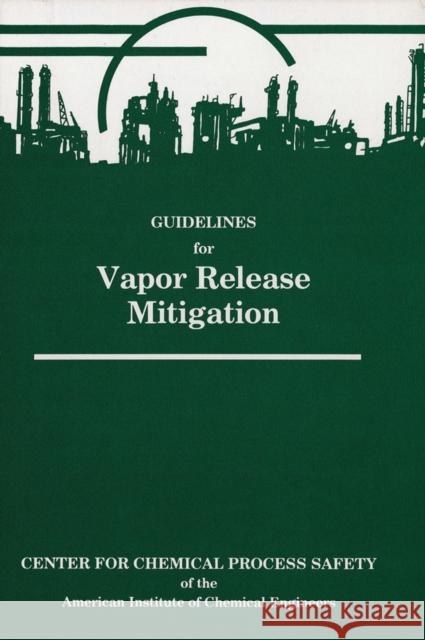
Guidelines for Vapor Release Mitigation Richard W. Prugh Robert W. Johnson Ccps 9780816904013 John Wiley & Sons - książkaWidoczna okładka, to zdjęcie poglądowe, a rzeczywista szata graficzna może różnić się od prezentowanej.

Guidelines for Vapor Release Mitigation

ISBN-13: 9780816904013 / Angielski / Twarda / 1988 / 176 str.

Richard W. Prugh; Robert W. Johnson;Ccps
cena 488,63
(netto: 465,36 VAT:  5%)

Najniższa cena z 30 dni: 487,62
Termin realizacji zamówienia:
ok. 30 dni roboczych
Bez gwarancji dostawy przed świętami

Darmowa dostawa!

Guidelines for Vapor Release Mitigation is a survey of current industrial practice for controlling accidental releases of hazardous vapors and preventing their escape from the source area.

Kategorie:
Technologie
Kategorie BISAC:
Technology & Engineering > Chemical & Biochemical
Technology & Engineering > Industrial Health & Safety
Wydawca:
John Wiley & Sons
Język:
Angielski
ISBN-13:
9780816904013
Rok wydania:
1988
Ilość stron:
176
Waga:
0.41 kg
Wymiary:
23.39 x 15.6 x 1.12
Oprawa:
Twarda
Wolumenów:
01
Dodatkowe informacje:
Bibliografia
Glosariusz/słownik
Wydanie ilustrowane

Preface.

Acknowledgments.

Summary.

Glossary.

Chapter 1. Introduction.

1.1. Objective.

1.2. Hazard of Accidental Vapor Cloud Releases.

1.3. Types of Vapor Clouds.

1.3.1. Flammable Vapor Clouds.

1.3.2. Toxic Vapor Clouds.

1.3.3. Flammable–Toxic Vapor Clouds.

1.3.4. Other Types of Vapor Clouds.

1.4. Forms of Vapor Release.

1.5. Release Causes.

1.6. Possible Consequences of Vapor Cloud Releases.

1.6.1. Toxic Effects.

1.6.2. Fires.

1.6.3. Explosions.

1.7. Analysis of the Need for Mitigation.

1.8. Vapor Release Mitigation Approaches.

Chapter 2. Mitigation through Inherently Safer Plants.

2.1. Inventory Reduction.

2.2. Chemical Substitution.

2.3. Process Modification.

2.3.1. Refrigerated Storage.

2.3.2. Dilution.

2.4. Siting Considerations.

Chapter 3. Engineering Design Approaches to Mitigation.

3.1. Plant Physical Integrity.

3.1.1. Design Practices.

3.1.2. Materials of Construction.

3.2. Process Integrity.

3.2.1. Identification of reactants and Solvents.

3.2.2. Limits on Operating Conditions.

3.2.3. Process Control Systems.

3.2.4. Pressure Relief Systems.

3.2.4.1. Relief Devices.

3.2.4.2. Relief Headers.

3.3. Process Design Features for Emergency Control.

3.3.1. Emergency Relief Treatment Systems.

3.3.1.1. Active Scrubbers.

3.3.1.2. Passive Scrubbers.

3.3.1.3. Stacks.

3.3.1.4. Flares.

3.3.1.5. Catchtanks for Vapor–Liquid Separation.

3.3.1.6. Incinerators.

3.3.1.7. Absorbers.

3.3.1.8. Adsorbers.

3.3.1.9. Condensers.

3.3.2. Emergency Process Abort Systems.

3.3.3. Emergency Isolation of Leak/Break.

3.3.3.1. Isolation Devices.

3.3.3.2. Remote Isolation.

3.3.3.3. Inspection and Testing of Isolation Devices.

3.3.4. Emergency Transfer of Materials.

3.3.4.1. Transfer of Vapor/Cover Gas to Reduce Driving Pressure.

3.3.4.2. transfer of Liquids to reduce Inventory Available for Release.

3.4. Spill containment.

3.4.1. Double Containment.

3.4.2. Enclosures and Walls.

3.4.3. Dikes, Curbs, Trenches, and Impoundments.

Chapter 4. Process Safety Management Approaches to Mitigation.

4.1. Operating Policies and Procedures.

4.2. Training for Vapor Release Prevention and Control.

4.3. Audits and Inspections.

4.4. Equipment Testing.

4.5. Maintenance Programs.

4.6. Modifications and Changes.

4.7. Methods for Stopping a Leak.

4.7.1. Patching.

4.7.2. Freezing.

4.8. Security.

Chapter 5. Mitigation through Early Vapor Detection and Warning.

5.1. Detectors and Sensors.

5.1.1. Types of Sensors.

5.1.1.1. Combustion.

5.1.1.2. Catalytic.

5.1.1.3. Electrical.

5.1.1.4. Chemical Reaction.

5.1.1.5. Visual.

5.1.1.6. Absorption/Scattering.

5.1.2. Response Time of Sensors.

5.1.3. Positioning of Sensors.

5.2. Detection by Personnel.

5.2.1. Odor Warning Properties.

5.2.2. Color or Fog.

5.3. Alarm Systems.

Chapter 6. Mitigation through Countermeasures.

6.1. Vapor/Liquid Releases.

6.2. Vapor Release Countermeasures.

6.2.1. Water Sprays.

6.2.2. Water Curtains.

6.2.3. Steam Curtains.

6.2.4. Air Curtains.

6.2.5. Deliberate Ignition.

6.2.6. Ignition Source Control.

6.3. Liquid Release Countermeasures.

6.3.1. Dilution.

6.3.2. Neutralization.

6.3.3. Covers.

6.3.3.1. Liquids.

6.3.3.2. Foams.

6.3.3.3. Solids.

6.3.3.4. Application.

6.4. Avoidance of Factors that Aggravate Vaporization

Chapter 7. On–Site Emergency Response.

7.1. On–Site communications.

7.2. Emergency Shutdown Equipment and Procedures.

7.3. Site Evacuation.

7.4. Havens.

7.5. Escape from Vapor Cloud.

7.6. Personal Protective Equipment.

7.7. Medical Treatment.

7.8. On–Site Emergency Plans, Procedures, Training, and Drills.

Chapter 8. Alerting Local Authorities and the Public.

8.1. Alerting Systems.

8.1.1. Capabilities.

8.1.2. Input Requirements.

8.2. Roles and Lines of Communication.

8.3. Information to Be Communicated.

Chapter 9. Selection of Mitigation Measures.

9.1. Risk Analysis.

9.2. Method for Hazard Identification.

9.3. Method for Estimating the Consequences of Accidents.

9.4. Methods for Estimating the Probability of Accidents.

Appendix A. Loss–of–Containment Causes in the Chemical Industry.

Appendix B. Properties of Some Hazardous Materials.

Appendix C. Derivation of Fog Correlations.

Appendix D. Catchtank Design.

Appendix E. Capacity of Havens.

Appendix F. Sources to Vapor–mitigation Equipment Vendors.

Subject Index.


Udostępnij

Facebook - konto krainaksiazek.pl


Opinie o Krainaksiazek.pl na Opineo.pl

Partner Mybenefit

Krainaksiazek.pl w programie rzetelna firma Krainaksiaze.pl - płatności przez paypal

Czytaj nas na:

Facebook - krainaksiazek.pl
  • książki na zamówienie
  • granty
  • książka na prezent
  • kontakt
  • pomoc
  • opinie
  • regulamin
  • polityka prywatności

Zobacz:

  • Księgarnia czeska

  • Wydawnictwo Książkowe Klimaty

1997-2025 DolnySlask.com Agencja Internetowa

© 1997-2022 krainaksiazek.pl
     
KONTAKT | REGULAMIN | POLITYKA PRYWATNOŚCI | USTAWIENIA PRYWATNOŚCI
Zobacz: Księgarnia Czeska | Wydawnictwo Książkowe Klimaty | Mapa strony | Lista autorów
KrainaKsiazek.PL - Księgarnia Internetowa

Polityka prywatnosci - link
Krainaksiazek.pl - płatnośc Przelewy24
Przechowalnia Przechowalnia