Great Smokies: From Natural Habitat to National Park » książka





Great Smokies: From Natural Habitat to National Park
ISBN-13: 9781621901648 / Angielski / Twarda / 2015 / 279 str.
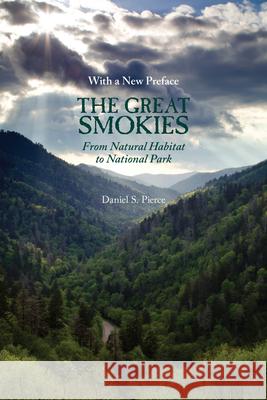
Seeking a taste of unspoiled wilderness, more than nine million people visit the Great Smoky Mountains National Park each year. Yet few probably realize what makes the park unusual: it was the result of efforts to reclaim wilderness rather than to protect undeveloped land. Daniel S. Pierce tells how park supporters set about raising money to buy the landuoften from resistant timber companiesuand describes the fierce infighting between wilderness advocates and tourism boosters over the shape the park would take. He also discloses the unfortunate human cost of the parkAEs creation: the displacement of the areaAEs inhabitants. The new preface chronicles developments in the park since the bookAEs original publication in 2000. Over the past decade and a half, the park has experienced a dramatic and improbable improvement in air quality, a variety of successful animal reintroduction programsuincluding, most spectacularly, elkunumerous improvements to trails and roads, and the ending of long-standing dispute over the oRoad to Nowhere,o which had its origins in the founding of the park eight decades ago. Pierce also points out new challenges that have emerged in the parkuand there is none more dangerous than the invasive species known as the wooly adelgid, which threatens to annihilate the parkAEs 800 acres of old-growth hemlocks. The recent history of the Great Smoky Mountains National Park provides ample proof of PierceAEs conclusion: ojust as people have the power to set aside places as wonderful as the Cataloochee Valley and the Great Smoky Mountains National Park, they also have the power to destroy it.o




Czytaj nas na:
KrainaKsiazek.PL - Księgarnia Internetowa


