• Wyszukiwanie zaawansowane
  • Kategorie
  • Kategorie BISAC
  • Książki na zamówienie
  • Promocje
  • Granty
  • Książka na prezent
  • Opinie
  • Pomoc
  • Załóż konto
  • Zaloguj się

Graph Data Modeling for NoSQL and SQL: Visualize Structure and Meaning » książka


zaloguj się | załóż konto
Logo Krainaksiazek.pl

koszyk

konto

szukaj
topmenu
Księgarnia internetowa
Szukaj
Książki na zamówienie
Promocje
Granty
Książka na prezent
Moje konto
Pomoc
 
 
Wyszukiwanie zaawansowane
Pusty koszyk
Bezpłatna dostawa dla zamówień powyżej 20 złBezpłatna dostawa dla zamówień powyżej 20 zł

Kategorie główne

• Nauka
 [2946600]
• Literatura piękna
 [1856966]

  więcej...
• Turystyka
 [72221]
• Informatyka
 [151456]
• Komiksy
 [35826]
• Encyklopedie
 [23190]
• Dziecięca
 [619653]
• Hobby
 [140543]
• AudioBooki
 [1577]
• Literatura faktu
 [228355]
• Muzyka CD
 [410]
• Słowniki
 [2874]
• Inne
 [445822]
• Kalendarze
 [1744]
• Podręczniki
 [167141]
• Poradniki
 [482898]
• Religia
 [510455]
• Czasopisma
 [526]
• Sport
 [61590]
• Sztuka
 [243598]
• CD, DVD, Video
 [3423]
• Technologie
 [219201]
• Zdrowie
 [101638]
• Książkowe Klimaty
 [124]
• Zabawki
 [2473]
• Puzzle, gry
 [3898]
• Literatura w języku ukraińskim
 [254]
• Art. papiernicze i szkolne
 [8170]
Kategorie szczegółowe BISAC

Graph Data Modeling for NoSQL and SQL: Visualize Structure and Meaning

ISBN-13: 9781634621212 / Angielski / Miękka / 2016 / 216 str.
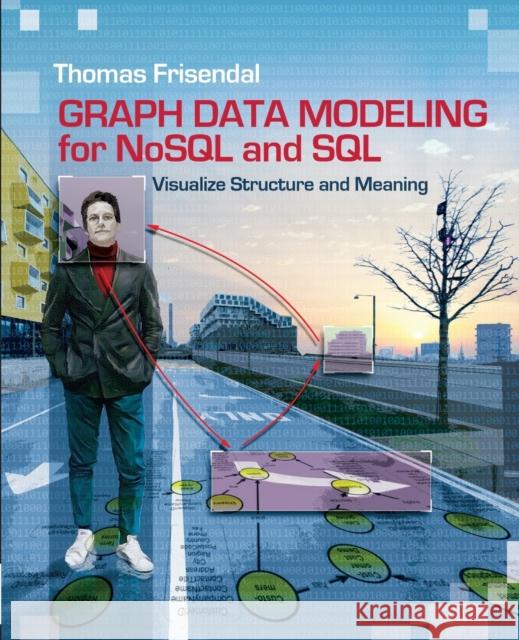
Thomas Frisendal
Graph Data Modeling for NoSQL and SQL: Visualize Structure and Meaning Thomas Frisendal 9781634621212 Technics Publications, LLC - książkaWidoczna okładka, to zdjęcie poglądowe, a rzeczywista szata graficzna może różnić się od prezentowanej.

Graph Data Modeling for NoSQL and SQL: Visualize Structure and Meaning

ISBN-13: 9781634621212 / Angielski / Miękka / 2016 / 216 str.

Thomas Frisendal
cena 230,39 zł
(netto: 219,42 VAT:  5%)

Najniższa cena z 30 dni: 229,13 zł
Termin realizacji zamówienia:
ok. 16-18 dni roboczych
Bez gwarancji dostawy przed świętami

Darmowa dostawa!

Master a graph data modeling technique superior to traditional data modeling for both relational and NoSQL databases (graph, document, key-value, and column), leveraging cognitive psychology to improve big data designs. From Karen Lopez's Foreword: In this book, Thomas Frisendal raises important questions about the continued usefulness of traditional data modeling notations and approaches:

  • Are Entity Relationship Diagrams (ERDs) relevant to analytical data requirements?
  • Are ERDs relevant in the new world of Big Data?
  • Are ERDs still the best way to work with business users to understand their needs?
  • Are Logical and Physical Data Models too closely coupled?
  • Are we correct in using the same notations for communicating with business users and developers?
  • Should we refine our existing notations and tools to meet these new needs, or should we start again from a blank page?
  • What new notations and approaches will we need?
  • How will we use those to build enterprise database systems?
Frisendal takes us through the history of data modeling, enterprise data models and traditional modeling methods. He points out, quite contentiously, where he feels we have gone wrong and in a few places where we got it right. He then maps out the psychology of meaning and context, while identifying important issues about where data modeling may or may not fit in business modeling. The main subject of this work is a proposal for a new exploration-driven modeling approach and new modeling notations for business concept models, business solutions models, and physical data models with examples on how to leverage those for implementing into any target database or datastore. These new notations are based on a property graph approach to modeling data. From the author's introduction: This book proposes a new approach to data modeling--one that "turns the inside out." For well over thirty years, relational modeling and normalization was the name of the game. One can ask that if normalization was the answer, what was the problem? There is something upside-down in that approach, as we will see in this book. Data analysis (modeling) is much like exploration. Almost literally. The data modeler wanders around searching for structure and content. It requires perception and cognitive skills, supported by intuition (a psychological phenomenon), that together determine how well the landscape of business semantics is mapped. Mapping is what we do; we explore the unknowns, draw the maps and post the "Here be Dragons" warnings. Of course there are technical skills involved, and surprisingly, the most important ones come from psychology and visualization (again perception and cognition) rather than pure mathematical ability. Two compelling events make a paradigm shift in data modeling possible, and also necessary:
  1. The advances in applied cognitive psychology address the needs for proper contextual framework and for better communication, also in data modeling, and
  2. The rapid intake of non-relational technologies (Big Data and NoSQL).

Master a graph data modeling technique superior to traditional data modeling for both relational and NoSQL databases (graph, document, key-value, and column), leveraging cognitive psychology to improve big data designs. From Karen Lopez’s Foreword:In this book, Thomas Frisendal raises important questions about the continued usefulness of traditional data modeling notations and approaches:

  • Are Entity Relationship Diagrams (ERDs) relevant to analytical data requirements?
  • Are ERDs relevant in the new world of Big Data?
  • Are ERDs still the best way to work with business users to understand their needs?
  • Are Logical and Physical Data Models too closely coupled?
  • Are we correct in using the same notations for communicating with business users and developers?
  • Should we refine our existing notations and tools to meet these new needs, or should we start again from a blank page?
  • What new notations and approaches will we need?
  • How will we use those to build enterprise database systems?
Frisendal takes us through the history of data modeling, enterprise data models and traditional modeling methods. He points out, quite contentiously, where he feels we have gone wrong and in a few places where we got it right. He then maps out the psychology of meaning and context, while identifying important issues about where data modeling may or may not fit in business modeling. The main subject of this work is a proposal for a new exploration-driven modeling approach and new modeling notations for business concept models, business solutions models, and physical data models with examples on how to leverage those for implementing into any target database or datastore. These new notations are based on a property graph approach to modeling data. From the author’s introduction:This book proposes a new approach to data modeling—one that “turns the inside out”. For well over thirty years, relational modeling and normalization was the name of the game. One can ask that if normalization was the answer, what was the problem? There is something upside-down in that approach, as we will see in this book.Data analysis (modeling) is much like exploration. Almost literally. The data modeler wanders around searching for structure and content. It requires perception and cognitive skills, supported by intuition (a psychological phenomenon), that together determine how well the landscape of business semantics is mapped.Mapping is what we do; we explore the unknowns, draw the maps and post the “Here be Dragons” warnings. Of course there are technical skills involved, and surprisingly, the most important ones come from psychology and visualization (again perception and cognition) rather than pure mathematical ability.Two compelling events make a paradigm shift in data modeling possible, and also necessary:
  1. The advances in applied cognitive psychology address the needs for proper contextual framework and for better communication, also in data modeling, and
  2. The rapid intake of non-relational technologies (Big Data and NoSQL).

Kategorie:
Informatyka, Bazy danych
Kategorie BISAC:
Computers > Languages - SQL
Computers > Data Science - Data Modeling & Design
Wydawca:
Technics Publications, LLC
Język:
Angielski
ISBN-13:
9781634621212
Rok wydania:
2016
Ilość stron:
216
Waga:
0.43 kg
Wymiary:
23.37 x 19.56 x 1.27
Oprawa:
Miękka
Wolumenów:
01
Dodatkowe informacje:
Bibliografia


Udostępnij

Facebook - konto krainaksiazek.pl


Opinie o Krainaksiazek.pl na Opineo.pl

Partner Mybenefit

Krainaksiazek.pl w programie rzetelna firma Krainaksiaze.pl - płatności przez paypal

Czytaj nas na:

Facebook - krainaksiazek.pl
  • książki na zamówienie
  • granty
  • książka na prezent
  • kontakt
  • pomoc
  • opinie
  • regulamin
  • polityka prywatności

Zobacz:

  • Księgarnia czeska

  • Wydawnictwo Książkowe Klimaty

1997-2025 DolnySlask.com Agencja Internetowa

© 1997-2022 krainaksiazek.pl
     
KONTAKT | REGULAMIN | POLITYKA PRYWATNOŚCI | USTAWIENIA PRYWATNOŚCI
Zobacz: Księgarnia Czeska | Wydawnictwo Książkowe Klimaty | Mapa strony | Lista autorów
KrainaKsiazek.PL - Księgarnia Internetowa

Polityka prywatnosci - link
Krainaksiazek.pl - płatnośc Przelewy24
Przechowalnia Przechowalnia






