Good Governance in Nigeria: Rethinking Accountability and Transparency in the Twenty-First Century » książka

topmenu




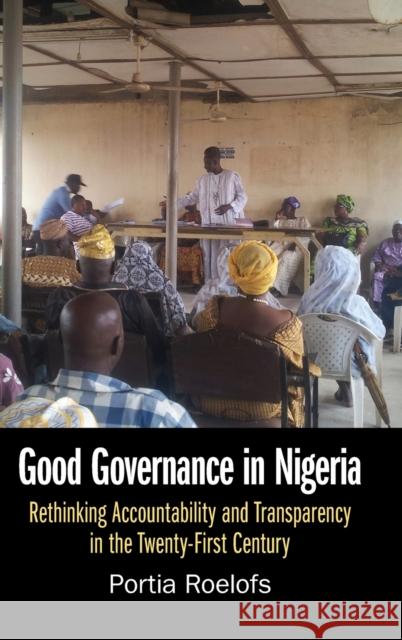
Good Governance in Nigeria: Rethinking Accountability and Transparency in the Twenty-First Century
ISBN-13: 9781009235426 / Angielski / Twarda / 2023
Good Governance in Nigeria: Rethinking Accountability and Transparency in the Twenty-First Century
ISBN-13: 9781009235426 / Angielski / Twarda / 2023
cena 368,21
(netto: 350,68 VAT: 5%)
Najniższa cena z 30 dni: 363,79
(netto: 350,68 VAT: 5%)
Najniższa cena z 30 dni: 363,79
Termin realizacji zamówienia:
ok. 22 dni roboczych.
ok. 22 dni roboczych.
Darmowa dostawa!
Drawing on original fieldwork in Nigeria, Portia Roelofs reconsiders what good governance means, focusing on accountability and transparency.




Czytaj nas na:
Zobacz: Księgarnia Czeska | Wydawnictwo Książkowe Klimaty | Mapa strony | Lista autorów
KrainaKsiazek.PL - Księgarnia Internetowa

KrainaKsiazek.PL - Księgarnia Internetowa

