• Wyszukiwanie zaawansowane
  • Kategorie
  • Kategorie BISAC
  • Książki na zamówienie
  • Promocje
  • Granty
  • Książka na prezent
  • Opinie
  • Pomoc
  • Załóż konto
  • Zaloguj się

Genius: Theory, History and Technique » książka


zaloguj się | załóż konto
Logo Krainaksiazek.pl

koszyk

konto

szukaj
topmenu
Księgarnia internetowa
Szukaj
Książki na zamówienie
Promocje
Granty
Książka na prezent
Moje konto
Pomoc
 
 
Wyszukiwanie zaawansowane
Pusty koszyk
Bezpłatna dostawa dla zamówień powyżej 20 złBezpłatna dostawa dla zamówień powyżej 20 zł

Kategorie główne

• Nauka
 [2939893]
• Literatura piękna
 [1808953]

  więcej...
• Turystyka
 [70366]
• Informatyka
 [150555]
• Komiksy
 [35137]
• Encyklopedie
 [23160]
• Dziecięca
 [608786]
• Hobby
 [136447]
• AudioBooki
 [1631]
• Literatura faktu
 [225099]
• Muzyka CD
 [360]
• Słowniki
 [2914]
• Inne
 [442115]
• Kalendarze
 [1068]
• Podręczniki
 [166599]
• Poradniki
 [468390]
• Religia
 [506548]
• Czasopisma
 [506]
• Sport
 [61109]
• Sztuka
 [241608]
• CD, DVD, Video
 [3308]
• Technologie
 [218981]
• Zdrowie
 [98614]
• Książkowe Klimaty
 [124]
• Zabawki
 [2174]
• Puzzle, gry
 [3275]
• Literatura w języku ukraińskim
 [260]
• Art. papiernicze i szkolne
 [7376]
Kategorie szczegółowe BISAC

Genius: Theory, History and Technique

ISBN-13: 9783031270918 / Angielski / Miękka / 2023
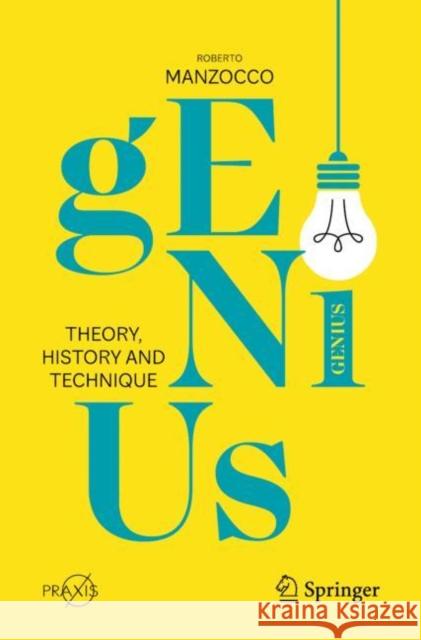
Roberto Manzocco
Genius: Theory, History and Technique Roberto Manzocco 9783031270918 Springer International Publishing AG - książkaWidoczna okładka, to zdjęcie poglądowe, a rzeczywista szata graficzna może różnić się od prezentowanej.

Genius: Theory, History and Technique

ISBN-13: 9783031270918 / Angielski / Miękka / 2023

Roberto Manzocco
cena 112,41
(netto: 107,06 VAT:  5%)

Najniższa cena z 30 dni: 107,92
Termin realizacji zamówienia:
ok. 22 dni roboczych.

Darmowa dostawa!

Genius is a fascinating topic. Everyone has an opinion on it, but not a lot of clarity. Much has been written on the subject - biographies, autobiographies,  technical books, popular science books, and practical manuals - but genius in all of its dimensions has yet to be addressed. This book seeks to remedy that. What follows is a work of significant breadth that hopes to facilitate a nuanced popular understanding of the definition of genius, examining all of the main theories and approaches regarding the nature and origin of brilliance, the cognitive path that geniuses follow, and the difference that exists between “geniuses” on one side and “normal people” on the other. Pragmatic indications surrounding this issue are also examined, regarding such questions as: is it possible to become a genius or is genius innate? If it is possible, what is the path –  no doubt long and difficult – that one must take? Is there a method for becoming a genius that can be taught and learned? This book will appeal to anyone who has ever contemplated great ideas and works and wondered how they came into being.


Genius is a fascinating topic. Everyone has an opinion on it, but not a lot of clarity. Much has been written on the subject - biographies, autobiographies,  technical books, popular science books, and practical manuals - but genius in all of its dimensions has yet to be addressed. This book seeks to remedy that. What follows is a work of significant breadth that hopes to facilitate a nuanced popular understanding of the definition of genius, examining all of the main theories and approaches regarding the nature and origin of brilliance, the cognitive path that geniuses follow, and the difference that exists between “geniuses” on one side and “normal people” on the other. Pragmatic indications surrounding this issue are also examined, regarding such questions as: is it possible to become a genius or is genius innate? If it is possible, what is the path –  no doubt long and difficult – that one must take? Is there a method for becoming a genius that can be taught and learned? This book will appeal to anyone who has ever contemplated great ideas and works and wondered how they came into being.

Kategorie:
Nauka, Psychologia
Kategorie BISAC:
Psychology > Cognitive Psychology & Cognition
Science > History
Science > Philosophy & Social Aspects
Wydawca:
Springer International Publishing AG
Język:
Angielski
ISBN-13:
9783031270918
Rok wydania:
2023
Wydanie:
2023
Oprawa:
Miękka
Wolumenów:
01
Dodatkowe informacje:
Wydanie ilustrowane

Introduction

Why do geniuses fascinate us? The genius as a new “hero myth”

Chapter One

Origin and history of the concept of genius. The scientific study of genius. How do we measure  genius? Definition of genius. How do we determine who is a genius and who is not ? The concept of “misunderstood genius” and  “forgotten genius”

Chapter Two

The typologies of genius. Is there a “generic” genius or is genius always “specialized”? Is it possible to be a genius in multiple sectors of knowledge? Genius and  multiple intelligences. Political genius, military genius and business genius. Does it make sense to talk about “evil genius”? The concept of “reverse genius” (for example consider the movies of Ed Wood, so badly made as to become classics)

Chapter Three

Nature or culture? What  produces genius, genetics, environment, free–will (if it exists), or a mixture of these things? What role does  trauma have  in the development of a genius? And what about education? Up to what point is genius self-taught? Among  other things in this chapter we will introduce the “Darwinian theory of genius,” promoted by Dean Keith Simonton

Chapter Four

Genius and talent. How do they differ?

Fifth Chapter

Genius, IQ and intelligence. Why the link between IQ and genius is actually weak

Chapter Six

Genius and creativity. “Normal” creativity and “genius” creativity, difference of degree or qualitative difference?

Chapter Seven

Neurobiology of genius. The myth of Einstein 's brain

Chapter Eight

The “stroke of genius”, definition and psychological processes involved. Eureka and insight; inspiration and preparatory work. The cognitive process that leads to brilliant work: heuristics vs algorithms. Genius and serendipity

Chapter Nine

Is there a typical genius personality? Genius and “chameleon” personality. Genius and madness. Does madness help or hinder the work of genius?

Chapter Ten

Lifecycle of the genius. Surviving your own genius. The “swan song” phenomenon (the last great work of genius before the death); genius and the relationship with death. “Precocious” genius and “late bloomers”

Chapter Eleven

Sociability and loneliness, the presence of partners and mentors, teamwork and the concept of being “on the shoulders of giants.” Collective genius, historical epochs, zeitgeist and individual genius. Parallel discoveries

Chapter Twelve

What do geniuses think of their genius? Philosophy and genius; philosophy of genius. Is the genius aware of being so?

Chapter Thirteenth

Anders Ericsson and “deliberate practice,” or how to become a genius. Genius, performance and the rule of ten thousand hours of practice. The concept of cognitive modifiability. Can you become a genius? The geniuses and us, the “normal people.” Genius, deliberate practice and the world of sport

Chapter Fourteenth

The future of genius. Genius and AI. Genius and Genetic Engineering. Is it - or will it be – possible to reproduce genius?

Roberto Manzocco is an Italian science writer, journalist, and historian of science who specializes in the history and philosophy of biology, technological innovation, and technological forecasting. After graduating with a degree in philosophy in 1999, he joined the Master’s Program in Science Communication at the International School of Advanced Studies (SISSA) in Trieste, Italy. He worked as a science journalist, publishing more than 2000 articles over the course of five years. In 2008, Manzocco earned his Ph.D. in the History of Science at the University of Pisa. From 2008 to 2010, he was an Adjunct Professor in Philosophy of Science at the University of Udine. He has published four books, three in the field of so-called pop philosophy, and one on transhumanism. 

Genius is a fascinating topic. Everyone has an opinion on it, but not a lot of clarity. Much has been written on the subject - biographies, autobiographies,  technical books, popular science books, and practical manuals - but genius in all of its dimensions has yet to be addressed. This book seeks to remedy that. What follows is a work of significant breadth that hopes to facilitate a nuanced popular understanding of the definition of genius, examining all of the main theories and approaches regarding the nature and origin of brilliance, the cognitive path that geniuses follow, and the difference that exists between “geniuses” on one side and “normal people” on the other. Pragmatic indications surrounding this issue are also examined, regarding such questions as: is it possible to become a genius or is genius innate? If it is possible, what is the path –  no doubt long and difficult – that one must take? Is there a method for becoming a genius that can be taught and learned? This book will appeal to anyone who has ever contemplated great ideas and works and wondered how they came into being.




Udostępnij

Facebook - konto krainaksiazek.pl


Opinie o Krainaksiazek.pl na Opineo.pl

Partner Mybenefit

Krainaksiazek.pl w programie rzetelna firma Krainaksiaze.pl - płatności przez paypal

Czytaj nas na:

Facebook - krainaksiazek.pl
  • książki na zamówienie
  • granty
  • książka na prezent
  • kontakt
  • pomoc
  • opinie
  • regulamin
  • polityka prywatności

Zobacz:

  • Księgarnia czeska

  • Wydawnictwo Książkowe Klimaty

1997-2026 DolnySlask.com Agencja Internetowa

© 1997-2022 krainaksiazek.pl
     
KONTAKT | REGULAMIN | POLITYKA PRYWATNOŚCI | USTAWIENIA PRYWATNOŚCI
Zobacz: Księgarnia Czeska | Wydawnictwo Książkowe Klimaty | Mapa strony | Lista autorów
KrainaKsiazek.PL - Księgarnia Internetowa

Polityka prywatnosci - link
Krainaksiazek.pl - płatnośc Przelewy24
Przechowalnia Przechowalnia



