• Wyszukiwanie zaawansowane
  • Kategorie
  • Kategorie BISAC
  • Książki na zamówienie
  • Promocje
  • Granty
  • Książka na prezent
  • Opinie
  • Pomoc
  • Załóż konto
  • Zaloguj się

Garden Plants Taxonomy: Volume 2: Angiosperms (Eudicots) » książka


zaloguj się | załóż konto
Logo Krainaksiazek.pl

koszyk

konto

szukaj
topmenu
Księgarnia internetowa
Szukaj
Książki na zamówienie
Promocje
Granty
Książka na prezent
Moje konto
Pomoc
 
 
Wyszukiwanie zaawansowane
Pusty koszyk
Bezpłatna dostawa dla zamówień powyżej 20 złBezpłatna dostawa dla zamówień powyżej 20 zł

Kategorie główne

• Nauka
 [2946600]
• Literatura piękna
 [1856966]

  więcej...
• Turystyka
 [72221]
• Informatyka
 [151456]
• Komiksy
 [35826]
• Encyklopedie
 [23190]
• Dziecięca
 [619653]
• Hobby
 [140543]
• AudioBooki
 [1577]
• Literatura faktu
 [228355]
• Muzyka CD
 [410]
• Słowniki
 [2874]
• Inne
 [445822]
• Kalendarze
 [1744]
• Podręczniki
 [167141]
• Poradniki
 [482898]
• Religia
 [510455]
• Czasopisma
 [526]
• Sport
 [61590]
• Sztuka
 [243598]
• CD, DVD, Video
 [3423]
• Technologie
 [219201]
• Zdrowie
 [101638]
• Książkowe Klimaty
 [124]
• Zabawki
 [2473]
• Puzzle, gry
 [3898]
• Literatura w języku ukraińskim
 [254]
• Art. papiernicze i szkolne
 [8170]
Kategorie szczegółowe BISAC

Garden Plants Taxonomy: Volume 2: Angiosperms (Eudicots)

ISBN-13: 9783031115646 / Angielski / Twarda / 2023 / 1192 str.
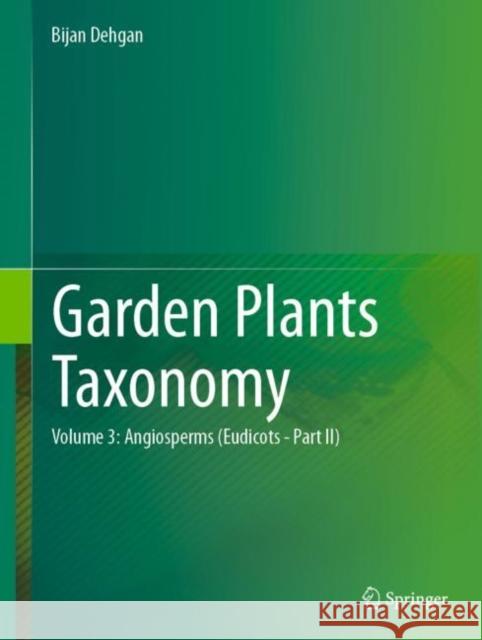
Bijan Dehgan
Garden Plants Taxonomy: Volume 2: Angiosperms (Eudicots) Bijan Dehgan 9783031115646 Springer - książkaWidoczna okładka, to zdjęcie poglądowe, a rzeczywista szata graficzna może różnić się od prezentowanej.

Garden Plants Taxonomy: Volume 2: Angiosperms (Eudicots)

ISBN-13: 9783031115646 / Angielski / Twarda / 2023 / 1192 str.

Bijan Dehgan
cena 1210,50 zł
(netto: 1152,86 VAT:  5%)

Najniższa cena z 30 dni: 1079,53 zł
Termin realizacji zamówienia:
ok. 22 dni roboczych
Bez gwarancji dostawy przed świętami

Darmowa dostawa!

Horticulture has remained far behind in understanding of botanical principles. Recent phylogenetic (DNA-based) reorganization of higher plants has revolutionized taxonomic treatments of all biological entities, even when morphology does not completely agree with their organization. This book is an example of applying principals of botanical phylogenetic taxonomy to assemble genera, species, and cultivars of 200 vascular plant families of ferns, gymnosperms, and angiosperms that are cultivated for enhancement of human living space; homes, gardens, and parks. The emphases are on cultivated species but examples of some plants are often shown in the wild and in landscapes. In providing descriptions, it is assumed that students and other interested individuals have no background in general botany (plant characteristics), or nomenclature. Fundamental features of all plant groups discussed are fully illustrated by original watercolor drawings or photographs.Discussion of the families is grounded on recent botanical phylogenetic treatments, which is based on common ancestry (monophyly). Of course, phylogenetic taxonomy is not a new concept, and was originally based on morphological characteristics; it is the DNA-based phylogeny that has revolutionized modern biological classifications. In practical terms, this book represents the horticultural treatment that corresponds to phylogenetic-based botanical taxonomy, to which is added cultigens and cultivated genera and species. Hence, the harmony between horticultural and botanical taxonomy.This book covers phylogenetic-based taxonomy of Angiosperms (Eudicots). A companion volume covers Ferns, Gymnosperms, and Angiosperms (Monocots).


Horticulture has remained far behind in understanding of botanical principles. Recent phylogenetic (DNA-based) reorganization of higher plants has revolutionized taxonomic treatments of all biological entities, even when morphology does not completely agree with their organization. This book is an example of applying principals of botanical phylogenetic taxonomy to assemble genera, species, and cultivars of 200 vascular plant families of ferns, gymnosperms, and angiosperms that are cultivated for enhancement of human living space; homes, gardens, and parks. The emphases are on cultivated species but examples of some plants are often shown in the wild and in landscapes. In providing descriptions, it is assumed that students and other interested individuals have no background in general botany (plant characteristics), or nomenclature. Fundamental features of all plant groups discussed are fully illustrated by original watercolor drawings or photographs. Discussion of the families is grounded on recent botanical phylogenetic treatments, which is based on common ancestry (monophyly). Of course, phylogenetic taxonomy is not a new concept, and was originally based on morphological characteristics; it is the DNA-based phylogeny that has revolutionized modern biological classifications. In practical terms, this book represents the horticultural treatment that corresponds to phylogenetic-based botanical taxonomy, to which is added cultigens and cultivated genera and species. Hence, the harmony between horticultural and botanical taxonomy. This book covers phylogenetic-based taxonomy of Angiosperms (Eudicots). A companion volume covers Ferns, Gymnosperms, and Angiosperms (Monocots). 

Kategorie:
Nauka, Biologia i przyroda
Kategorie BISAC:
Science > Botanika
Architecture > Architektura krajobrazu i sztuka
Technology & Engineering > Agriculture - General
Wydawca:
Springer
Język:
Angielski
ISBN-13:
9783031115646
Rok wydania:
2023
Dostępne języki:
Ilość stron:
1192
Oprawa:
Twarda
Dodatkowe informacje:
Glosariusz/słownik

Foreword

Preface

ACKNOWLEDGMENTS

ABOUT THE AUTHOR

ALPHABETICAL LIST OF FAMILIES

TABLE OF CONTENTS

INTRODUCTION


PART-DICOTYLEDONS

Chapter 1: BASAL LINEAGES

NYMPHAEACEAE

SCHISANDRACEAE


Chapter 2: MAGNOLIIDS

PIPERACEAE

ARISTOLOCHICEAE

MAGNOLIACEAE

ANNONACEAE

CALYCANTHACEAE

LAURACEAE


Chapter 3: EUDICOTS

PAPAVERACEAE

BREBERIDACEAE

RANUNCULACEAE

NELUMBONACEAE

PLANTANACEAE

PROTEACEAE

TROCHODENDRACEAE

BUXACEAE

GUNNERACEAE

DILLENIACEAE

PAEONIACEAE

ALTINGIACEAE

HAMAMELIDACEAE

SAXIFRAGACEAE

CRASSULACEAE

VITACEAE

ZYGOPHYLLACEAE

FABACEAE

POLYGALLACEAE

ROSACEAE

ELAEAGNACEAE

RHAMNACEAE

ULMACEAE

MORACEAE

URTICACEAE

FAGACEAE

MYRICACEAE

JUGLANDIACEAE

CASUARANACEAE

BETULACEAE

BEGONIACEAE

OXALIDACEAE

CUNONIACEAE

ERYTHROXYLACEAE

OCHNACEAE

CLUSIACEAE

HYPERICACEAE

MALPIGHIACEAE

CHRYSOBALANACEAE

VIOLACEAE

PASSIFLORACEAE (including Turneraceae)

SALICACEAE

EUPHORBIACEAE

LINACEAE

PHYLLANTHACEAE (including Bischofiaceae)

GERANIACEAE

COMBRETACEAE

LYTHRACEAE

ONAGRACEAE

MYRTACEAE

MELASTOMATACEAE

BURSERACEAE

ANACARDIACEAE

SAPINDACEAE (including Aceraceae, Hippocastanaceae)

RUTACEAE

MELIACEAE

MALVACEAE

THYMELAEACEAE

BIXACEAE

CISTACEAE

TROPAEOLACEAE

CARICACEAE

CAPPARACEAE

CLEOMACEAE

BRASSICACEAE

LORANTHACEAE

PLUMBAGINACEAE

POLYGONIACEAE

DROSERACEAE

NEPENTHACEAE

SIMONDSIACEAE

CARYOPHYLACEAE

AMARANTHACEAE

AIZOACEAE

PHYTOLACACEAE

NYCTAGINACEAE

MONTIACEAE

DIDERIACEAE

PORTULACACEAE

CACTACEAE

NYSSACEAE

HYDRANGEACEAE

LOASACEAE

CORNACEAE

BALSAMINACEAE

FOUQUIERACEAE

POLEMONIACEAE

LECYTHIDACEAE

PENTAPHYLACEAE

SAPOTACEAE

EBENACEAE

PRIMULACEAE

THEACEAE

SARRACENIACEAE

ERICACEAE

RUBIACEAE

GENTIANACEAE

GELSIMIACEAE

APOCYNACEAE

BORAGINACEAE

CONVOLVULACEAE

SOLANACEAE

MONTINIACEAE

OLEACEAE

GESNERIACEAE

PLANTAGINACEAE

SCROPHULARIACEAE

LINDERNIACEAE

PEDALIACEAE

ACANTHACEAE

BIGNONIACEAE

LENTIBULARIACEAE

VERBENACEAE

LAMIACEAE

PAULOWNIACEAE

HELWINGIACEAE

AQUIFOLIACEAE

CAMPANULACEAE

MENYANTHACEAE

GOODENIACEAE

ASTERACEAE

ADOXACEAE

CAPRIFOLIACEAE (including Dispsicaceae, Valerinaceae)

PITTOSPORACEAE

ARALIACEAE

APIACEAE


Back Matter

GLOSSARY

REFERENCES

INDEX

Bijan Dehgan received degrees in Agricultural engineering from Shiraz University (in Iran), certificate in American Language from Columbia University, BS and MS in landscape and Environmental Horticulture and Ph.D. in botany (plant taxonomy, under Professor Grady L. Webster) at the University of California, Davis.  While working on systematic of the genus Jatropha (Euphorbiaceae), he was a lecturer in Environmental Horticulture and curator of the Botanical Conservatory.  He was the principal researcher on selection and propagation of drought tolerant plants for California highways.  He transferred to the Department of Environmental Horticulture at the University of Florida in 1978 and retired as emeritus professor in 2006.  Although the principal investigator in several research projects, his primary focus remained on taxonomy of Jatropha and successful conservation of the endangered cycads through their propagation and growth, so as to prevent collection of wild plants. Abundance of Zamia pumila (=Z. floridana) in landscapes is testimony to successful conservation of an endangered plant.  He was also the principal investigator in revegetation of phosphate mines in Florida. His publications include “Landscape Plants for Subtropical Climates”, “Public Garden Management: A Global Perspective”, “Jatropha (Euporbiaceae) by University of California and New York Botanical Gardens, among others. He has been recipient of awards for teaching and for Contribution to the Advancement of Botanical Science by the Botanical Society of America.

Horticulture has remained far behind in understanding of botanical principles. Recent phylogenetic (DNA-based) reorganization of higher plants has revolutionized taxonomic treatments of all biological entities, even when morphology does not completely agree with their organization. This book is an example of applying principals of botanical phylogenetic taxonomy to assemble genera, species, and cultivars of 200 vascular plant families of ferns, gymnosperms, and angiosperms that are cultivated for enhancement of human living space; homes, gardens, and parks. The emphases are on cultivated species but examples of some plants are often shown in the wild and in landscapes. In providing descriptions, it is assumed that students and other interested individuals have no background in general botany (plant characteristics), or nomenclature. Fundamental features of all plant groups discussed are fully illustrated by original watercolor drawings or photographs. 

Discussion of the families is grounded on recent botanical phylogenetic treatments, which is based on common ancestry (monophyly). Of course, phylogenetic taxonomy is not a new concept, and was originally based on morphological characteristics; it is the DNA-based phylogeny that has revolutionized modern biological classifications. In practical terms, this book represents the horticultural treatment that corresponds to phylogenetic-based botanical taxonomy, to which is added cultigens and cultivated genera and species. Hence, the harmony between horticultural and botanical taxonomy. 

This book covers phylogenetic-based taxonomy of Angiosperms (Eudicots). A companion volume covers Ferns, Gymnosperms, and Angiosperms (Monocots).

Dehgan, Bijan Bijan Dehgan is professor of environmental horticu... więcej >


Udostępnij

Facebook - konto krainaksiazek.pl


Opinie o Krainaksiazek.pl na Opineo.pl

Partner Mybenefit

Krainaksiazek.pl w programie rzetelna firma Krainaksiaze.pl - płatności przez paypal

Czytaj nas na:

Facebook - krainaksiazek.pl
  • książki na zamówienie
  • granty
  • książka na prezent
  • kontakt
  • pomoc
  • opinie
  • regulamin
  • polityka prywatności

Zobacz:

  • Księgarnia czeska

  • Wydawnictwo Książkowe Klimaty

1997-2025 DolnySlask.com Agencja Internetowa

© 1997-2022 krainaksiazek.pl
     
KONTAKT | REGULAMIN | POLITYKA PRYWATNOŚCI | USTAWIENIA PRYWATNOŚCI
Zobacz: Księgarnia Czeska | Wydawnictwo Książkowe Klimaty | Mapa strony | Lista autorów
KrainaKsiazek.PL - Księgarnia Internetowa

Polityka prywatnosci - link
Krainaksiazek.pl - płatnośc Przelewy24
Przechowalnia Przechowalnia



