• Wyszukiwanie zaawansowane
  • Kategorie
  • Kategorie BISAC
  • Książki na zamówienie
  • Promocje
  • Granty
  • Książka na prezent
  • Opinie
  • Pomoc
  • Załóż konto
  • Zaloguj się

Fungal Resources for Sustainable Economy: Current Status and Future Perspectives » książka


zaloguj się | załóż konto
Logo Krainaksiazek.pl

koszyk

konto

szukaj
topmenu
Księgarnia internetowa
Szukaj
Książki na zamówienie
Promocje
Granty
Książka na prezent
Moje konto
Pomoc
 
 
Wyszukiwanie zaawansowane
Pusty koszyk
Bezpłatna dostawa dla zamówień powyżej 20 złBezpłatna dostawa dla zamówień powyżej 20 zł

Kategorie główne

• Nauka
 [2949965]
• Literatura piękna
 [1857847]

  więcej...
• Turystyka
 [70818]
• Informatyka
 [151303]
• Komiksy
 [35733]
• Encyklopedie
 [23180]
• Dziecięca
 [617748]
• Hobby
 [139972]
• AudioBooki
 [1650]
• Literatura faktu
 [228361]
• Muzyka CD
 [398]
• Słowniki
 [2862]
• Inne
 [444732]
• Kalendarze
 [1620]
• Podręczniki
 [167233]
• Poradniki
 [482388]
• Religia
 [509867]
• Czasopisma
 [533]
• Sport
 [61361]
• Sztuka
 [243125]
• CD, DVD, Video
 [3451]
• Technologie
 [219309]
• Zdrowie
 [101347]
• Książkowe Klimaty
 [123]
• Zabawki
 [2362]
• Puzzle, gry
 [3791]
• Literatura w języku ukraińskim
 [253]
• Art. papiernicze i szkolne
 [7933]
Kategorie szczegółowe BISAC

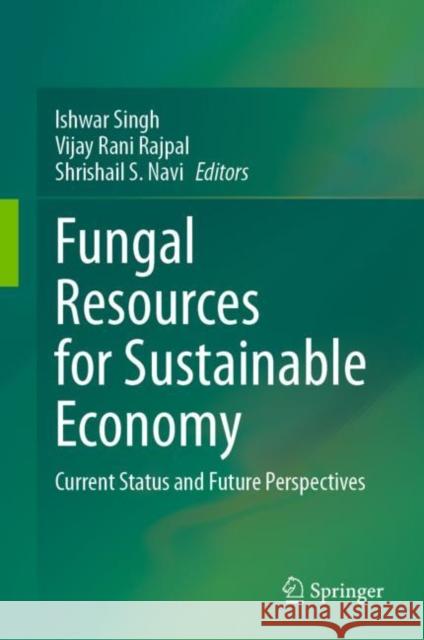
Fungal Resources for Sustainable Economy: Current Status and Future Perspectives

ISBN-13: 9789811991028 / Angielski / Twarda / 2023 / 490 str.
Ishwar Singh; Vijay Rani Rajpal; Shrishail S. Navi
Fungal Resources for Sustainable Economy: Current Status and Future Perspectives Ishwar Singh Vijay Rani Rajpal Shrishail S. Navi 9789811991028 Springer - książkaWidoczna okładka, to zdjęcie poglądowe, a rzeczywista szata graficzna może różnić się od prezentowanej.

Fungal Resources for Sustainable Economy: Current Status and Future Perspectives

ISBN-13: 9789811991028 / Angielski / Twarda / 2023 / 490 str.

Ishwar Singh; Vijay Rani Rajpal; Shrishail S. Navi
cena 928,04 zł
(netto: 883,85 VAT:  5%)

Najniższa cena z 30 dni: 886,75 zł
Termin realizacji zamówienia:
ok. 22 dni roboczych
Bez gwarancji dostawy przed świętami

Darmowa dostawa!
inne wydania

This edited book provides a comprehensive account of the new developments in various facets of fungal biology related to the impact and application of fungi on the sustainable economy. The book consists of 24 chapters distributed under five sections written by active researchers and academicians from India and abroad. The five sections of the book are- 1. Fungi in Sustainable Economy, 2. Fungal Resources: Current and Potential Industrial Applications, 3. Fungal Resources: Current and Potential Agricultural Applications, 4. Fungi and their Secondary metabolites: Implications and 5. Fungi: Burden to health and Indoor Environment.The book explores the utility of fungi as food, enzymes, organic compounds, nutraceuticals, pharmaceuticals and agricultural productivity promoter. It also highlights the negative fungal impacts on food production, health and environment. The book is useful to postgraduate students studying mycology, plant pathology, crop protection, agricultural sciences, and plant sciences. In addition, scientists involved in biological and agricultural research, crop management, and various industries that manufacture or utilize fungal products on a small to large scale shall also find the book helpful.


This edited book provides a comprehensive account of the new developments in various facets of fungal biology related to the impact and application of fungi on the sustainable economy. The book consists of 24 chapters distributed under five sections written by active researchers and academicians from India and abroad. The five sections of the book are- 1. Fungi in Sustainable Economy, 2. Fungal Resources: Current and Potential Industrial Applications, 3. Fungal Resources: Current and Potential Agricultural Applications, 4. Fungi and their Secondary metabolites: Implications and 5. Fungi: Burden to health and Indoor Environment.

The book explores the utility of fungi as food, enzymes, organic compounds, nutraceuticals, pharmaceuticals and agricultural productivity promoter. It also highlights the negative fungal impacts on food production, health and environment. The book is useful to postgraduate students studying mycology, plant pathology, crop protection, agricultural sciences, and plant sciences. In addition, scientists involved in biological and agricultural research, crop management, and various industries that manufacture or utilize fungal products on a small to large scale shall also find the book helpful.

Kategorie:
Nauka, Biologia i przyroda
Kategorie BISAC:
Science > Mikrobiologia
Science > Life Sciences - Mycology
Wydawca:
Springer
Język:
Angielski
ISBN-13:
9789811991028
Rok wydania:
2023
Dostępne języki:
Ilość stron:
490
Oprawa:
Twarda

Section I Fungi in Sustainable Economy: An Introduction.- Chapter 1. Impact of Fungi on the World Economy and its Sustainability: Status and Potentials.- Chapter 2. Sustainable Utilization of Fungal Resources: Applications in Plant and Animal Health.-  Section II Fungal Resources: Current and Potential Industrial Applications.- Chapter 3. Role and Applications of Fungi in Food and Fermentation Technology.- Chapter 4. Fungal Keratinases: Enzymes with Immense Biotechnological Potential.- Chapter 5. Bioprospection of Endophytic Fungi for Extracellular Enzymes.- Chapter 6. Potential Antioxidant Enzymes from Fungi and Their Clinical Significance.-  Chapter 7. Health Benefits of Mushrooms - An appraisal.- Chapter 8. Diversity of Ethnomedicinal Mushrooms from the Western Ghats of India and Their Sustainable Utilization.- Section III Fungal Resources: Current and Potential Agricultural Applications.- Chapter 9. Endophytic Fungi - Application in Combating Plant Pathogens and Sustainable Agriculture.- Chapter 10. Benefits and Potential of Arbuscular Mycorrhizal Fungi (AMF) in Vegetable Crop Production.- Chapter 11. Arbuscular Mycorrhiza Fungi Resources for Sustainable and Climate-smart Cultivation of Maize.- Chapter 12. Role of Endophytic Fungi in Promoting Plant Health.- Chapter 13. Fungal Biocontrol Agents: A Sustainable Management Option for Soybean Diseases.- Chapter 14. Advances in Formulations and Efficacy of Mycopesticides for Plant Disease Management and Sustainable Yields.- Section IV Fungi and their Secondary Metabolites: Implications.- Chapter 15. Recent Advances in Fungal Secondary Metabolites and Their Applications.- Chapter 16. The Biological Implications of Fungi as Agents of Mycotoxigenicity and Potential Therapeutics in Medicine.- Chapter 17. A Potential Source of Medicines from Fungi: An Overview of Biologically Active Secondary Metabolites.- Chapter 18. Mycotoxins: Structure, Biosynthesis, Health effects, and their Biological detoxification.- Chapter 19. Mycotoxins: Detection Methods and Strategies for management.- Chapter 20. Mycotoxins as Food and Feed Contaminant: Effect on Health and Economy and Their Management.- Chapter 21. Aflatoxins: Occurrence, Biosynthesis Pathway, Management and Impact on Health.- Section V Fungi: Burden to Health and Indoor Environment.- Chapter 22. Fungi Impacting Human Health.- Chapter 23. Neglected Canine Fungal Zoonoses: Emerging threats, Diagnostics and Public Health.-  Chapter 24. Impact of Fungi on Indoor Air Quality: Health Hazards and Management Strategies.


Dr. Ishwar Singh, a trained mycologist, has been teaching Botany and researching in the field of Microbiology with a special focus on mycotoxins, and characterization of phytopathogens and their biocontrol for more than 20 years. He was a Visiting Faculty at the Department of Plant Pathology and Microbiology, Iowa State University of Science and Technology, Ames, Iowa, USA (2014-15). Currently, he is working as an Associate Professor in the Department of Botany at Hansraj College, University of Delhi, Delhi (India). Additionally, he is a fellow at Institute of Lifelong Learning (ILLL), University of Delhi, Delhi (India).  He has published more than 30 research papers and articles on various topics of his specialization, edited one book and completed a number of research projects.  He is a member of the editorial board of several journals. He has been the recipient of several honors and awards of which UGC Research Award (2013) and Raman Research Fellowship (2014) are notable ones.

Dr. Vijay Rani Rajpal is a Professor in Department of Botany, Hansraj College, Delhi University, Delhi, India, and has more than 25 years of teaching and research experience in working on population biology, phylogenetics, and diversity of plants. She has more than 50 published research papers, review articles, and book chapters and has edited 5 books on molecular diversity, abiotic stress mitigation, improvement of plants and fungal biology published by Springer. She has guided Ph.D. students and successfully completed a number of research projects funded by various agencies of the Government of India. She is a reviewer of several reputed national and international research journals and invited guest editor for thematic issues in international journals.

Dr. Shrishail S. Navi is a Research Scientist III, Plant Pathology, Entomology, and Microbiology, College of Agriculture & Life Sciences, Iowa State University (ISU), Ames, Iowa, USA. He has 35 years of research and extension experience in applied Plant Pathology, identification of fungi, management of diseases of row crops. His current focus is on management of major soilborne pathogens of soybean, corn, field pea, and spinach. He has published books, bulletins, and book chapters (16), journal articles on soybean (27), sorghum (29), pearl millet (16), wheat (15), and extension articles on soybean (35). He is a fellow Indian Phytopathological Society, Link Scientist CAB International United Kingdom, Editor of Indian Phytopathology (2015-2020), reviewer of several national and international journals and an invited speaker on management of major soil borne plant diseases (Brazil, China, India, Kenya, Thailand and USA). Prior to joining ISU in 2002, he worked at the ICRISAT, Hyderabad, India for 14 years.


This edited book provides a comprehensive account of the new developments in various facets of fungal biology related to the impact and application of fungi on the sustainable economy. The book consists of 24 chapters distributed under five sections written by active researchers and academicians from India and abroad. The five sections of the book are- 1. Fungi in Sustainable Economy, 2. Fungal Resources: Current and Potential Industrial Applications, 3. Fungal Resources: Current and Potential Agricultural Applications, 4. Fungi and their Secondary metabolites: Implications and 5. Fungi: Burden to health and Indoor Environment.

The book explores the utility of fungi as food, enzymes, organic compounds, nutraceuticals, pharmaceuticals and agricultural productivity promoter. It also highlights the negative fungal impacts on food production, health and environment. The book is useful to postgraduate students studying mycology, plant pathology, crop protection, agricultural sciences, and plant sciences. In addition, scientists involved in biological and agricultural research, crop management, and various industries that manufacture or utilize fungal products on a small to large scale shall also find the book helpful.




Udostępnij

Facebook - konto krainaksiazek.pl


Opinie o Krainaksiazek.pl na Opineo.pl

Partner Mybenefit

Krainaksiazek.pl w programie rzetelna firma Krainaksiaze.pl - płatności przez paypal

Czytaj nas na:

Facebook - krainaksiazek.pl
  • książki na zamówienie
  • granty
  • książka na prezent
  • kontakt
  • pomoc
  • opinie
  • regulamin
  • polityka prywatności

Zobacz:

  • Księgarnia czeska

  • Wydawnictwo Książkowe Klimaty

1997-2025 DolnySlask.com Agencja Internetowa

© 1997-2022 krainaksiazek.pl
     
KONTAKT | REGULAMIN | POLITYKA PRYWATNOŚCI | USTAWIENIA PRYWATNOŚCI
Zobacz: Księgarnia Czeska | Wydawnictwo Książkowe Klimaty | Mapa strony | Lista autorów
KrainaKsiazek.PL - Księgarnia Internetowa

Polityka prywatnosci - link
Krainaksiazek.pl - płatnośc Przelewy24
Przechowalnia Przechowalnia



