• Wyszukiwanie zaawansowane
  • Kategorie
  • Kategorie BISAC
  • Książki na zamówienie
  • Promocje
  • Granty
  • Książka na prezent
  • Opinie
  • Pomoc
  • Załóż konto
  • Zaloguj się

Food Security, Affordable Housing, and Poverty: An Islamic Finance Perspective » książka


zaloguj się | załóż konto
Logo Krainaksiazek.pl

koszyk

konto

szukaj
topmenu
Księgarnia internetowa
Szukaj
Książki na zamówienie
Promocje
Granty
Książka na prezent
Moje konto
Pomoc
 
 
Wyszukiwanie zaawansowane
Pusty koszyk
Bezpłatna dostawa dla zamówień powyżej 20 złBezpłatna dostawa dla zamówień powyżej 20 zł

Kategorie główne

• Nauka
 [2949965]
• Literatura piękna
 [1857847]

  więcej...
• Turystyka
 [70818]
• Informatyka
 [151303]
• Komiksy
 [35733]
• Encyklopedie
 [23180]
• Dziecięca
 [617748]
• Hobby
 [139972]
• AudioBooki
 [1650]
• Literatura faktu
 [228361]
• Muzyka CD
 [398]
• Słowniki
 [2862]
• Inne
 [444732]
• Kalendarze
 [1620]
• Podręczniki
 [167233]
• Poradniki
 [482388]
• Religia
 [509867]
• Czasopisma
 [533]
• Sport
 [61361]
• Sztuka
 [243125]
• CD, DVD, Video
 [3451]
• Technologie
 [219309]
• Zdrowie
 [101347]
• Książkowe Klimaty
 [123]
• Zabawki
 [2362]
• Puzzle, gry
 [3791]
• Literatura w języku ukraińskim
 [253]
• Art. papiernicze i szkolne
 [7933]
Kategorie szczegółowe BISAC

Food Security, Affordable Housing, and Poverty: An Islamic Finance Perspective

ISBN-13: 9783031276880 / Angielski
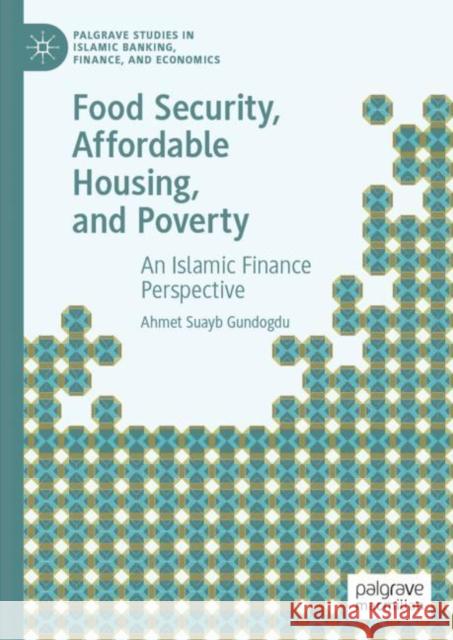
Ahmet Suayb Gundogdu
Food Security, Affordable Housing, and Poverty: An Islamic Finance Perspective Ahmet Suayb Gundogdu 9783031276880 Palgrave MacMillan - książkaWidoczna okładka, to zdjęcie poglądowe, a rzeczywista szata graficzna może różnić się od prezentowanej.

Food Security, Affordable Housing, and Poverty: An Islamic Finance Perspective

ISBN-13: 9783031276880 / Angielski

Ahmet Suayb Gundogdu
cena 443,82 zł
(netto: 422,69 VAT:  5%)

Najniższa cena z 30 dni: 424,07 zł
Termin realizacji zamówienia:
ok. 22 dni roboczych
Bez gwarancji dostawy przed świętami

Darmowa dostawa!
inne wydania

This book is the product of an attempt to look differently at the issue of poverty, along with food security and affordable housing. There is a tendency in conventional economics and finance literature to be apologetic when dealing with globally prevailing and unfair economic and financial systems. Islamic economics and finance academia is not immune from this tendency. The book aims to raise awareness about the root causes and suggests novel proposals that will lead to sustainable solutions. It is based on the understanding that if we continue doing more of the same things, we cannot expect to produce different results.This book is also premised on the understanding that the financial sector can promote economic progress only if it channels capital to the most productive use while avoiding moral hazard and adverse selection. The issue of collateral taking promotes a situation where financial institutions prefer to lend only too big-to-fail structures for shelter and food sectors that fuel poverty and inequality. This adverse selection ultimately gives rise to food security and affordable housing issues. This indicates that financial liberalization is not the solution to dealing with poverty and inequality. Instead, strong policy initiatives and financial regulations to direct capital to provide long-term sustainability are needed.


This book is the product of an attempt to look differently at the issue of poverty, along with food security and affordable housing. There is a tendency in conventional economics and finance literature to be apologetic when dealing with globally prevailing and unfair economic and financial systems. Islamic economics and finance academia is not immune from this tendency. The book aims to raise awareness about the root causes and suggests novel proposals that will lead to sustainable solutions. It is based on the understanding that if we continue doing more of the same things, we cannot expect to produce different results. This book is also premised on the understanding that the financial sector can promote economic progress only if it channels capital to the most productive use while avoiding moral hazard and adverse selection. The issue of collateral taking promotes a situation where financial institutions prefer to lend only too big-to-fail structures for shelter and food sectors that fuel poverty and inequality. This adverse selection ultimately gives rise to food security and affordable housing issues. This indicates that financial liberalization is not the solution to dealing with poverty and inequality. Instead, strong policy initiatives and financial regulations to direct capital to provide long-term sustainability are needed.

Kategorie:
Nauka, Ekonomia i biznes
Kategorie BISAC:
Business & Economics > Makroekonomia
Business & Economics > Development - Economic Development
Religion > Islam - General
Wydawca:
Palgrave MacMillan
Seria wydawnicza:
Palgrave Studies in Islamic Banking, Finance, and Economics
Język:
Angielski
ISBN-13:
9783031276880

1. Affordable housing and poverty.- 2. Islamic mortgages and securitization.- 3. Food security and poverty.- 4. Financing the trade of agricultural commodities.- 5. Financing the production of agricultural commodities.- 6. Enabling infrastructure.- 7. The role of the state.

Ahmet Suayb Gundogdu is Senior Professional at the Islamic Development Bank, where he has been employed since 2008. He holds a Ph.D. in Islamic Finance from Durham University (UK). He is Co-author, along with Amadou Thierno Diallo, of Sustainable Development and Infrastructure: An Islamic Finance Perspective, published by Palgrave Macmillan in 2021.

This book is the product of an attempt to look differently at the issue of poverty, along with food security and affordable housing. There is a tendency in conventional economics and finance literature to be apologetic when dealing with globally prevailing and unfair economic and financial systems. Islamic economics and finance academia is not immune from this tendency. The book aims to raise awareness about the root causes and suggests novel proposals that will lead to sustainable solutions. It is based on the understanding that if we continue doing more of the same things, we cannot expect to produce different results. 

This book is also premised on the understanding that the financial sector can promote economic progress only if it channels capital to the most productive use while avoiding moral hazard and adverse selection. The issue of collateral taking promotes a situation where financial institutions prefer to lend only too big-to-fail structures for shelter and food sectors that fuel poverty and inequality. This adverse selection ultimately gives rise to food security and affordable housing issues. This indicates that financial liberalization is not the solution to dealing with poverty and inequality. Instead, strong policy initiatives and financial regulations to direct capital to provide long-term sustainability are needed.

Ahmet Suayb Gundogdu is Senior Professional at the Islamic Development Bank, where he has been employed since 2008. He holds a Ph.D. in Islamic Finance from Durham University (UK). He is Co-author, along with Amadou Thierno Diallo, of Sustainable Development and Infrastructure: An Islamic Finance Perspective, published by Palgrave Macmillan in 2021.


Udostępnij

Facebook - konto krainaksiazek.pl


Opinie o Krainaksiazek.pl na Opineo.pl

Partner Mybenefit

Krainaksiazek.pl w programie rzetelna firma Krainaksiaze.pl - płatności przez paypal

Czytaj nas na:

Facebook - krainaksiazek.pl
  • książki na zamówienie
  • granty
  • książka na prezent
  • kontakt
  • pomoc
  • opinie
  • regulamin
  • polityka prywatności

Zobacz:

  • Księgarnia czeska

  • Wydawnictwo Książkowe Klimaty

1997-2025 DolnySlask.com Agencja Internetowa

© 1997-2022 krainaksiazek.pl
     
KONTAKT | REGULAMIN | POLITYKA PRYWATNOŚCI | USTAWIENIA PRYWATNOŚCI
Zobacz: Księgarnia Czeska | Wydawnictwo Książkowe Klimaty | Mapa strony | Lista autorów
KrainaKsiazek.PL - Księgarnia Internetowa

Polityka prywatnosci - link
Krainaksiazek.pl - płatnośc Przelewy24
Przechowalnia Przechowalnia



