Flavour Changing Neutral Currents in top quark decays » książka





Flavour Changing Neutral Currents in top quark decays
ISBN-13: 9783639145335 / Angielski / Miękka / 2009 / 264 str.
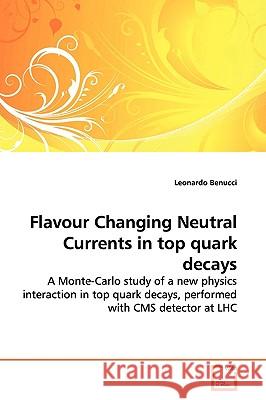
This work contains an estimation of the observability of the Flavour Changing Neutral Currents (FCNC) in top decays with the CMS experiment at the future Large Hadron Collider (LHC). Since expected branching ratios for top FCNC in the Standard Model are eagerly low, any experimental evidence for a top quark FCNC interaction would signal the existence of physics beyond the Standard Model. A wide variety of Standard Model processes have been considered into background, and selection is optimized in order to maximize the significance in the signal region. A full set of systematic effects, originating from detector or theoretical uncertainties, are added to the simulation and their impact on the analysis is established. Results are presented for several background levels and different experimental conditions, then extrapolated to the highest attainable LHC luminosities. An improvement of two orders of magnitude in sensitivity to FCNC branching ratio is obtained, allowing to shed light on different new physics scenarios.
This work contains an estimation of the observabilityof the Flavour Changing Neutral Currents (FCNC) intop decays with the CMS experiment at the futureLarge Hadron Collider (LHC).Since expected branching ratios for top FCNC in theStandard Model are eagerly low, any experimentalevidence for a top quark FCNC interaction wouldsignal the existence of physics beyond the StandardModel. A wide variety of Standard Model processeshave been considered into background, and selectionis optimized in order to maximize the significance inthe signal region. A full set of systematic effects,originating from detector or theoreticaluncertainties, are added to the simulation and theirimpact on the analysis is established. Results arepresented for several background levels and differentexperimental conditions, then extrapolated to thehighest attainable LHC luminosities. An improvementof two orders of magnitude in sensitivity to FCNCbranching ratio is obtained, allowing to shed lighton different new physics scenarios.




Czytaj nas na:
KrainaKsiazek.PL - Księgarnia Internetowa


