Financing the End-To-End Supply Chain: A Reference Guide to Supply Chain Finance » książka

topmenu




Financing the End-To-End Supply Chain: A Reference Guide to Supply Chain Finance
ISBN-13: 9781789663488 / Angielski / Miękka / 2020 / 448 str.
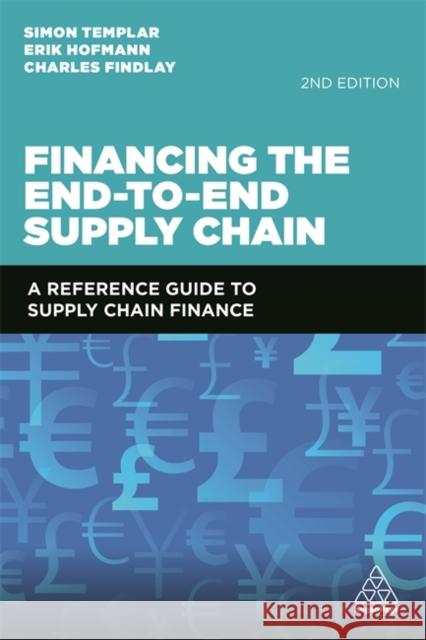
Financing the End-To-End Supply Chain: A Reference Guide to Supply Chain Finance
ISBN-13: 9781789663488 / Angielski / Miękka / 2020 / 448 str.
cena 283,50
(netto: 270,00 VAT: 5%)
Najniższa cena z 30 dni: 264,76
(netto: 270,00 VAT: 5%)
Najniższa cena z 30 dni: 264,76
Termin realizacji zamówienia:
ok. 30 dni roboczych.
ok. 30 dni roboczych.
Darmowa dostawa!
Demonstrates the strategic relationships between the supply of goods and services and their associated financial flows.




Czytaj nas na:
Zobacz: Księgarnia Czeska | Wydawnictwo Książkowe Klimaty | Mapa strony | Lista autorów
KrainaKsiazek.PL - Księgarnia Internetowa

KrainaKsiazek.PL - Księgarnia Internetowa

