Fiesta de Diez Pesos: Music and Gay Identity in Special Period Cuba » książka





Fiesta de Diez Pesos: Music and Gay Identity in Special Period Cuba
ISBN-13: 9781472424570 / Angielski / Twarda / 2014 / 312 str.
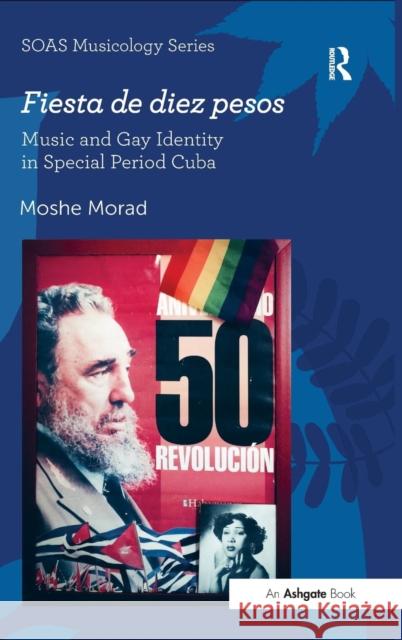
The Special Period in Cuba was an extended era of economic depression starting in the early 1990s, characterized by the collapse of revolutionary values and social norms, and a way of life conducted by improvised solutions for survival, including hustling and sex-work. During this time there developed a thriving, though constantly harassed and destabilized, clandestine gay scene (known as the ambiente ). In the course of eight visits between 1995 and 2007, the last dozen years of Fidel Castro s reign, Moshe Morad became absorbed in Havana s gay scene, where he created a wide social network, attended numerous secret gatherings-from clandestine parties to religious rituals-and observed patterns of behavior and communication. He discovered the role of music in this scene as a marker of identity, a source of queer codifications and identifications, a medium of interaction, an outlet for emotion and a way to escape from a reality of scarcity, oppression and despair. Morad identified and conducted his research in different types of musical space, from illegal clandestine parties held in changing locations, to ballet halls, drag-show bars, private living-rooms and kitchens and santeria religious ceremonies. In this important study, the first on the subject, he argues that music plays a central role in providing the physical, emotional, and conceptual spaces which constitute this scene and in the formation of a new hybrid gay identity in Special-Period Cuba."




Czytaj nas na:
KrainaKsiazek.PL - Księgarnia Internetowa


