• Wyszukiwanie zaawansowane
  • Kategorie
  • Kategorie BISAC
  • Książki na zamówienie
  • Promocje
  • Granty
  • Książka na prezent
  • Opinie
  • Pomoc
  • Załóż konto
  • Zaloguj się

Ferroalloys: Theory and Practice » książka


zaloguj się | załóż konto
Logo Krainaksiazek.pl

koszyk

konto

szukaj
topmenu
Księgarnia internetowa
Szukaj
Książki na zamówienie
Promocje
Granty
Książka na prezent
Moje konto
Pomoc
 
 
Wyszukiwanie zaawansowane
Pusty koszyk
Bezpłatna dostawa dla zamówień powyżej 20 złBezpłatna dostawa dla zamówień powyżej 20 zł

Kategorie główne

• Nauka
 [2949965]
• Literatura piękna
 [1857847]

  więcej...
• Turystyka
 [70818]
• Informatyka
 [151303]
• Komiksy
 [35733]
• Encyklopedie
 [23180]
• Dziecięca
 [617748]
• Hobby
 [139972]
• AudioBooki
 [1650]
• Literatura faktu
 [228361]
• Muzyka CD
 [398]
• Słowniki
 [2862]
• Inne
 [444732]
• Kalendarze
 [1620]
• Podręczniki
 [167233]
• Poradniki
 [482388]
• Religia
 [509867]
• Czasopisma
 [533]
• Sport
 [61361]
• Sztuka
 [243125]
• CD, DVD, Video
 [3451]
• Technologie
 [219309]
• Zdrowie
 [101347]
• Książkowe Klimaty
 [123]
• Zabawki
 [2362]
• Puzzle, gry
 [3791]
• Literatura w języku ukraińskim
 [253]
• Art. papiernicze i szkolne
 [7933]
Kategorie szczegółowe BISAC

Ferroalloys: Theory and Practice

ISBN-13: 9783030575014 / Angielski / Twarda / 2020 / 531 str.
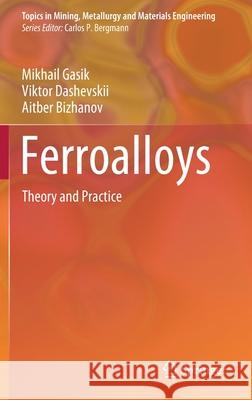
Mikhail Gasik; Aitber Bizhanov; Viktor Dashevskii
Ferroalloys: Theory and Practice Mikhail Gasik Aitber Bizhanov Viktor Dashevskii 9783030575014 Springer - książkaWidoczna okładka, to zdjęcie poglądowe, a rzeczywista szata graficzna może różnić się od prezentowanej.

Ferroalloys: Theory and Practice

ISBN-13: 9783030575014 / Angielski / Twarda / 2020 / 531 str.

Mikhail Gasik; Aitber Bizhanov; Viktor Dashevskii
cena 806,99
(netto: 768,56 VAT:  5%)

Najniższa cena z 30 dni: 771,08
Termin realizacji zamówienia:
ok. 22 dni roboczych
Bez gwarancji dostawy przed świętami

Darmowa dostawa!
inne wydania
Kategorie:
Technologie
Kategorie BISAC:
Technology & Engineering > Materials Science - Metals & Alloys
Science > Environmental Science (see also Chemistry - Environmental)
Science > Chemistry - Industrial & Technical
Wydawca:
Springer
Seria wydawnicza:
Topics in Mining, Metallurgy and Materials Engineering
Język:
Angielski
ISBN-13:
9783030575014
Rok wydania:
2020
Wydanie:
2020
Numer serii:
000467392
Ilość stron:
531
Waga:
0.94 kg
Wymiary:
23.39 x 15.6 x 3.02
Oprawa:
Twarda
Wolumenów:
01
Dodatkowe informacje:
Wydanie ilustrowane

Chapter 1. CLASSIFICATION OF FERROALLOY PROCESSES 

1.1. Main elements of Ferroalloys 
1.2. General requirements for the quality of Ferroalloys 
1.3. Classification of Ferroalloy processes by type of used reductants 
1.4. Classification of Ferroalloy processes according to the type used aggregate 
1.5. Classification of Ferroalloy processes by technological features 
Chapter 2. SILICON AND SILICON CARBIDE 
2.1. Properties of silicon, carbon and their compounds 
2.2. Theoretical bases of silicon reduction by carbon 
2.3. Assortment of crystalline silicon and quality of the 
charge materials 
2.4. Crystalline Silicon Smelting Technology 
2.5. Silicon Carbide Production Technology 
Chapter 3. FERROSILICON 
3.1. Properties of silicon compounds 
3.2. Theoretical bases of silicon reduction by carbon at production of ferrosilicon 
3.3. Electrical characteristics and geometric parameters of an electric furnace bath for smelting ferrosilicon 
3.4. Ferrosilicon smelting and casting technology 
Chapter 4. MANGANESE ALLOYS 
4.1. Properties of manganese and its compounds 
4.2. Minerals, ores and concentrates of manganese 
4.3. Dephosphorization of Manganese Concentrates and Manganese-Containing Products 
4.4. Drying technology for manganese concentrates 
4.5 Agglomeration of the manganese concentrates
4.6. Technology for smelting high-carbon ferromanganese 
4.7. Ferrosilicon manganese smelting technology 
4.8. metallic manganese, low and
      medium carbon ferromanganese 
4.9. Technology of nitrided manganese and silicomanganese production 
Chapter 5. CHROMIUM ALLOYS 
5.1. Properties of chromium and its compounds
5.2. Minerals and ores of chrome
5.3. High-carbon ferrochrome smelting technology 
5.4. Technology for smelting ferrosilicochromium.
5.5. Low-carbon ferrochrome smelting technology 
5.6. Vacuum processes of decarburization and degassing of ferrochrome 
5.7. BOF and silicothermic methods of smelting 
medium carbon ferrochromium 
5.8. Aluminothermic method for producing chromium and ferrochrome 
5.9. The technology for obtaining nitrided ferrochromium
Chapter 6. FERROTUNGSTEN
6.1. The properties of tungsten and its compounds 
6.2. Minerals, ores and concentrates of tungsten 
6.3. The technology of obtaining of ferrotungsten by carbon silicothermic method
6.4. The technology of obtaining of ferrotungsten by aluminothermic 
method.
Chapter 7. FERROMOLYBDENUM 
7.1. Properties of molybdenum and its compounds 
7.2. Minerals, ores and molybdenum concentrates 
7.3. Oxidative roasting of molybdenite concentrate 
7.4. The technology of obtaining ferromolybdenum by out-of-furnace 
silicoaluminothermic method
Chapter 8. FERROVANADIUM 
8.1. Properties of vanadium and its compounds 
8.2. Minerals, ores and concentrates of vanadium 
8.3. The technology of metallurgical processing of vanadium-containing
concentrates 
8.4. Technology of chemical processing of vanadium-containing slag 
8.5. Thermodynamics of reactions of reduction of vanadium from oxides 
8.6. The technology of producing ferrovanadium silicoaluminothermic
way 
8.7. The technology for producing ferrovanadium with an aluminothermic process 
8.8. The technology for producing ferrosilicon vanadium 
8.9. The technology for producing nitrated ferrovanadium 
Chapter 9. FERROTITAN 
9.1. Properties of titanium and its compounds 
9.2. Minerals, ores and concentrates of titanium 
9.3. Thermodynamics of titanium reduction reactions 
9.4. Oxidative roasting of titanium concentrates 
9.5. The technology of dispersion of aluminum 
9.6. The technology for producing ferrotitanium by the aluminothermic method 
9.7. The technology of producing metallic titanium with magnetothermal
way 
Chapter 10. FERROALLOYS WITH ALKALINE EARTH METALS 
10.1.  Calcium carbide and silico-calcium 
10.1.1. Properties of calcium and its compounds 
10.1.2. Technology for smelting of calcium carbide 
10.1.3. Technology for smelting of silico-calcium 
10.2. Ferrosiliconbarium and aluminobarium 
10.2.1. Properties of barium and its compounds 
10.2.2. Ferrosilicobarium smelting technology 
10.2.3. Alumina barium smelting technology 
10.3. Ferrosilicostrontium 
10.3.1. Properties of strontium and its compounds 
10.3.2. Minerals and ores of strontium 
10.3.3. Ferrosilicostrontium smelting technology 
10.4. Ferrosilicomagnesium 
10.4.1. Properties of magnesium and its compounds 
10.4.2. Minerals and ores of magnesium 
10.4.3. Technology of production of magnesium and magnesium ferroalloys 
10.5. Beryllium. 
10.5.1. Properties of beryllium and its compounds 
10.5.2. Minerals and ores of beryllium 
10.5.3. Technology for production of beryllium
Chapter 11. FERRONIOBIUM 
11.1. Properties of niobium and its compounds 
11.2. Minerals and ores of niobium 
11.3. Thermodynamics of niobium reduction reactions 
11.4. The technology for producing ferroniobium by aluminothermic method ...
Chapter 12. FERROSILICONZIRCONIUM AND FERROALUMINOSIRCONIUM 
12.1. Properties of zirconium and its compounds 
12.2. Minerals, ores and concentrates of zirconium 
12.3. Thermodynamics of zirconium reduction reactions 
12.4. The technology for producing ferrosilicocirconium by aluminothermic method
12.5. The technology for producing ferroaluminocirconium by aluminothermic method

Chapter 13. Ferroaluminium and Silicoaluminium 
13.1. Properties of aluminum and its compounds 
13.2. Minerals and aluminum ores 
13.3. Ferroaluminium production technology 
13.4.  The technology of production of silicoaluminum 
Chapter 14. FERROBORON AND BORON CARBIDE 
14.1. Properties of boron and its compounds 
14.2. Minerals and ores of boron 
14.3. Thermodynamics of the reduction reactions of boron 
14.4. Technology for production of ferroboron 
14.5. The technology of producing boron carbide 
Chapter 15. FERRO ALLOYS WITH RARE EARTH METALS 
15.1.  Properties of rare-earth metals and their compounds 
15.2. Minerals, ores and concentrates of rare-earth metals 
15.3. The technology for producing ferroalloys with rare-earth metals 
Chapter16. IRON-CARBON ALLOYS 6
16.1. Properties of iron and its compounds 
16.2. Reduction of iron by carbon and gases 
16.3. Electrothermics of iron 
Chapter 17. FERRONICKEL 
17.1. Properties of nickel and its compounds 
17.2. Minerals and ores of nickel 
17.3. The technology of production and refining of ferronickel 
Chapter18. COBALT 
18.1. Properties of cobalt and its compounds 
18.2. Minerals and ores of cobalt
18.3. Technology for producing cobalt
Chapter 19. FERROPHOSPHORUS 
19.1. Properties of phosphorus and its compounds 
19.2. Minerals and ores of phosphorus 
19.3. Thermodynamics of the reduction reactions of phosphorus 
19.4. Preparation of phosphorites for smelting
19.5. The electric furnace for recovery of phosphorus 
19.6. Electrothermics of Phosphorus
Chapter 20. FERROSELEN AND FERROTELLOUR 
20.1. Properties of selenium, tellurium and their compounds 
20.2. Selenium and tellurium containing ores 
20.3. Alloying of steel with selenium and tellurium
Chapter 21. ELECTROCORUNDUM.
21.1. Properties of corundum 
21.2. Electrocorundum Technology 
21.3. Normal Electrocorundum Technology 
Chapter 22. ELECTROFUSED FLUXES 
22.1. Requirements for fluxes and methods for their preparation 
22.2. Flux Smelting 
22.3. Impurity behavior in flux smelting 
Chapter 23. FERRO-ALLOY FURNACES 
23.1. Ore-thermal furnaces electric furnaces 
23.1.1. Ore-thermal furnace bath 
23.1.2. The mechanism of rotation of the bath of the ore-thermal furnace 
23.1.3. Arch of the ore-thermal furnace 
23.1.4. Provision of furnaces with a charge 
23.2. Refining electric furnaces 
Chapter 24. SELF-BURNING ELECTRODES 
24.1. The design of self-firing electrodes 
24.2. Electrode mass 
24.3. The technology of production of electrode mass 
24.4. The processes occurring during firing of the electrode mass 
Chapter 25 Agglomeration of ore concentrates, dusts and sludge in the production of the Ferroalloys
    25.1 Sintering in the production of Ferroalloys
    25.2 Pellets as the charge components for Ferroalloys production 
    25.3 Briquetting in the Ferroalloys production
25.3.1. Briquetting of ore concentrates, dusts and sludge
25.3.2 Briquetting of Ferroalloys fines
Chapter 26 Best Available Technologies for the production of Ferroalloys.
Chapter 27 Environmental aspects of Ferroalloys production.

Aitber Bizhanov graduated from Moscow Physical Technical Institute in 1979. Since 1992 he is active on recycling of metallurgical wastes. He has a Ph.D. degree in the agglomeration of natural and anthropogenic materials in metallurgy. He is the author of more than 60 publications including two books published by Springer and is owner and co-author of 15 Russian Patents in the field.

Dashevskii Viktor is Doctor of Technical Sciences, Professor of the National Research University “Moscow Institute of Steel and Alloys” and Head of the Laboratory of the Institute of Metallurgy and Material Sciences named after A.A.Baykov, Russian Academy of Sciences. He has been awarded numerous prizes and is an specialist in physical chemistry of the metallurgical oxide smelts and on the theory and practice of the Ferroalloys electrothermal production. He is a member-correspondent of Russian Academy of Natural Sciences and acting member of the New York Academy of Sciences (USA). 

GASIK Mikhail Ivanovic is Doctor of Technical Sciences (1969), and hold positions as Professor (1971), Academician of the National Academy of Sciences of Ukraine (1990), Honoured Foreign Member of the Russian Academy of Sciences (2004), Foreign Member of the Georgian Academy of Sciences (2005) and honorary member of the Academy of Sciences of the Republic of Kazakhstan (2006). He has been awarded numerous prizes such as Prizes named after Yaroslav the Wise of the Academy of Sciences of the Higher School of Ukraine (2002) and Prizes named after Z.I. Nekrasov National Academy of Sciences of Ukraine (2006). His main areas of scientific and scientific-pedagogical activity are: fundamental studies of the problems of physical chemistry of high-temperature interaction processes in metal and oxide systems based on manganese, silicon, chromium, aluminum.

This book outlines the physical and chemical foundations of high-temperature processes for producing silicon, manganese and chromium ferroalloys, alloys of molybdenum, vanadium, titanium, alkaline earth and rare earth metals, niobium, zirconium, aluminum, boron, nickel, cobalt, phosphorus, selenium and tellurium, iron-carbon alloys by carbon, silicone and aluminothermic methods. The chapters introduce the industrial production technologies of these groups of ferroalloys, the characteristics of charge materials, and the technological parameters of the melting processes. A description of ferroalloy furnaces is given in detail. Topics such as waste recycling, fines agglomeration technologies, and environmental issues are considered.




Udostępnij

Facebook - konto krainaksiazek.pl


Opinie o Krainaksiazek.pl na Opineo.pl

Partner Mybenefit

Krainaksiazek.pl w programie rzetelna firma Krainaksiaze.pl - płatności przez paypal

Czytaj nas na:

Facebook - krainaksiazek.pl
  • książki na zamówienie
  • granty
  • książka na prezent
  • kontakt
  • pomoc
  • opinie
  • regulamin
  • polityka prywatności

Zobacz:

  • Księgarnia czeska

  • Wydawnictwo Książkowe Klimaty

1997-2025 DolnySlask.com Agencja Internetowa

© 1997-2022 krainaksiazek.pl
     
KONTAKT | REGULAMIN | POLITYKA PRYWATNOŚCI | USTAWIENIA PRYWATNOŚCI
Zobacz: Księgarnia Czeska | Wydawnictwo Książkowe Klimaty | Mapa strony | Lista autorów
KrainaKsiazek.PL - Księgarnia Internetowa

Polityka prywatnosci - link
Krainaksiazek.pl - płatnośc Przelewy24
Przechowalnia Przechowalnia



