• Wyszukiwanie zaawansowane
  • Kategorie
  • Kategorie BISAC
  • Książki na zamówienie
  • Promocje
  • Granty
  • Książka na prezent
  • Opinie
  • Pomoc
  • Załóż konto
  • Zaloguj się

Facts of Matter and Light » książka


zaloguj się | załóż konto
Logo Krainaksiazek.pl

koszyk

konto

szukaj
topmenu
Księgarnia internetowa
Szukaj
Książki na zamówienie
Promocje
Granty
Książka na prezent
Moje konto
Pomoc
 
 
Wyszukiwanie zaawansowane
Pusty koszyk
Bezpłatna dostawa dla zamówień powyżej 20 złBezpłatna dostawa dla zamówień powyżej 20 zł

Kategorie główne

• Nauka
 [2948695]
• Literatura piękna
 [1824038]

  więcej...
• Turystyka
 [70868]
• Informatyka
 [151073]
• Komiksy
 [35227]
• Encyklopedie
 [23181]
• Dziecięca
 [621575]
• Hobby
 [138961]
• AudioBooki
 [1642]
• Literatura faktu
 [228651]
• Muzyka CD
 [371]
• Słowniki
 [2933]
• Inne
 [445341]
• Kalendarze
 [1243]
• Podręczniki
 [164416]
• Poradniki
 [479493]
• Religia
 [510449]
• Czasopisma
 [502]
• Sport
 [61384]
• Sztuka
 [243086]
• CD, DVD, Video
 [3417]
• Technologie
 [219673]
• Zdrowie
 [100865]
• Książkowe Klimaty
 [124]
• Zabawki
 [2168]
• Puzzle, gry
 [3372]
• Literatura w języku ukraińskim
 [260]
• Art. papiernicze i szkolne
 [7838]
Kategorie szczegółowe BISAC

Facts of Matter and Light

ISBN-13: 9783031333330 / Twarda / 2023 / 175 str.

Christian Maes
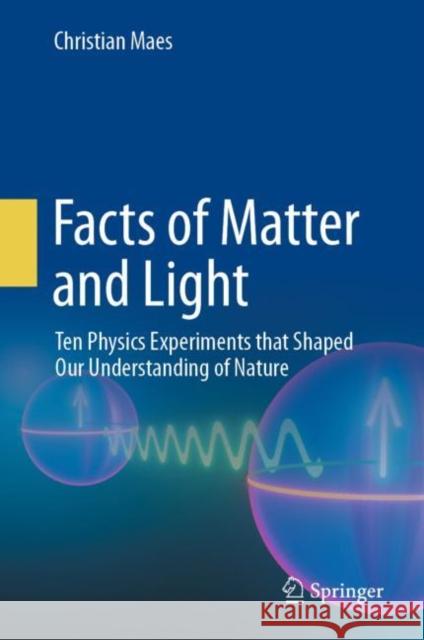
Facts of Matter and Light Christian Maes 9783031333330 Springer International Publishing AG - książkaWidoczna okładka, to zdjęcie poglądowe, a rzeczywista szata graficzna może różnić się od prezentowanej.

Facts of Matter and Light

ISBN-13: 9783031333330 / Twarda / 2023 / 175 str.

Christian Maes
cena promocyjna 182,61
(netto: 173,91 VAT:  5%)
365,21
Rabat: -50%

Najniższa cena z 30 dni: 289,13
Termin realizacji zamówienia:
22 dni roboczych

Darmowa dostawa!
inne wydania
Zobacz inne książki w promocji: Wyprzedaż publikacji z zakresu nauk stosowanych
Kategorie:
Nauka, Fizyka
Wydawca:
Springer International Publishing AG
ISBN-13:
9783031333330
Rok wydania:
2023
Ilość stron:
175
Waga:
0.45 kg
Wymiary:
16.3 x 24.1 x 1.8
Oprawa:
Twarda
Dodatkowe informacje:
Wydanie ilustrowane

1 The Winners Are . . . . . . . . . . . . . . . . . . . . . . . . . . . . . . . . . . . . . . . . . . . . . . 1

2 Free Fall . . . . . . . . . . . . . . . . . . . . . . . . . . . . . . . . . . . . . . . . . . . . . . . . . . . . . . 7
2.1 Equality of Gravitational and Inertial Mass . . . . . . . . . . . . . . . . . . . . . 8
2.2 Galileo’s Experiments on Free Fall . . . . . . . . . . . . . . . . . . . . . . . . . . . . 11
2.3 Newton’s Gravity . . . . . . . . . . . . . . . . . . . . . . . . . . . . . . . . . . . . . . . . . . . 13
2.3.1 Looking up at the Sky . . . . . . . . . . . . . . . . . . . . . . . . . . . . . . . . 13
2.3.2 Newton’s Program . . . . . . . . . . . . . . . . . . . . . . . . . . . . . . . . . . . 15
2.4 Gravity . . . . . . . . . . . . . . . . . . . . . . . . . . . . . . . . . . . . . . . . . . . . . . . . . . . 18

3 Electromagnetic and Optical Unification . . . . . . . . . . . . . . . . . . . . . . . . . . 21
3.1 Electromagnetic Phenomena . . . . . . . . . . . . . . . . . . . . . . . . . . . . . . . . . 21
3.2 Induction . . . . . . . . . . . . . . . . . . . . . . . . . . . . . . . . . . . . . . . . . . . . . . . . . 23
3.3 The Field Concept . . . . . . . . . . . . . . . . . . . . . . . . . . . . . . . . . . . . . . . . . . 25
3.4 Electromagnetic Waves . . . . . . . . . . . . . . . . . . . . . . . . . . . . . . . . . . . . . . 27
3.5 Unification . . . . . . . . . . . . . . . . . . . . . . . . . . . . . . . . . . . . . . . . . . . . . . . . 28

4 Looking at Fluctuations . . . . . . . . . . . . . . . . . . . . . . . . . . . . . . . . . . . . . . . . . 31
4.1 Natural Philosophy . . . . . . . . . . . . . . . . . . . . . . . . . . . . . . . . . . . . . . . . . 31
4.2 Atoms . . . . . . . . . . . . . . . . . . . . . . . . . . . . . . . . . . . . . . . . . . . . . . . . . . . . 32
4.3 Limit theorems . . . . . . . . . . . . . . . . . . . . . . . . . . . . . . . . . . . . . . . . . . . . 34
4.4 Brownian Motion . . . . . . . . . . . . . . . . . . . . . . . . . . . . . . . . . . . . . . . . . . 37
4.4.1 The Random Walk as a Diffusion Model . . . . . . . . . . . . . . . . . 39
4.4.2 Sutherland–Einstein Relation . . . . . . . . . . . . . . . . . . . . . . . . . . 41
4.5 Perrin’s Experiment . . . . . . . . . . . . . . . . . . . . . . . . . . . . . . . . . . . . . . . . 42
4.6 Fluctuation–Dissipation Relation . . . . . . . . . . . . . . . . . . . . . . . . . . . . . 43

5 Quantization . . . . . . . . . . . . . . . . . . . . . . . . . . . . . . . . . . . . . . . . . . . . . . . . . . 45
5.1 Standard Hydrogen Lines . . . . . . . . . . . . . . . . . . . . . . . . . . . . . . . . . . . . 46
5.2 Black Body Radiation . . . . . . . . . . . . . . . . . . . . . . . . . . . . . . . . . . . . . . . 52
5.3 Photoelectric Effect . . . . . . . . . . . . . . . . . . . . . . . . . . . . . . . . . . . . . . . . . 54

xi


xii Contents

5.4 Compton Effect . . . . . . . . . . . . . . . . . . . . . . . . . . . . . . . . . . . . . . . . . . . . 58
5.5 Specific Heat . . . . . . . . . . . . . . . . . . . . . . . . . . . . . . . . . . . . . . . . . . . . . . 60
5.6 Spin . . . . . . . . . . . . . . . . . . . . . . . . . . . . . . . . . . . . . . . . . . . . . . . . . . . . . . 63

6 Wave-like Nature . . . . . . . . . . . . . . . . . . . . . . . . . . . . . . . . . . . . . . . . . . . . . . . 67
6.1 Early light . . . . . . . . . . . . . . . . . . . . . . . . . . . . . . . . . . . . . . . . . . . . . . . . . 69
6.1.1 Young’s Experiment . . . . . . . . . . . . . . . . . . . . . . . . . . . . . . . . . . 69
6.1.2 On the French side . . . . . . . . . . . . . . . . . . . . . . . . . . . . . . . . . . . 71
6.1.3 Interacting Newton Bullets? . . . . . . . . . . . . . . . . . . . . . . . . . . . 73
6.2 X-rays and Bragg Scattering. . . . . . . . . . . . . . . . . . . . . . . . . . . . . . . . . . 74
6.3 Davisson–Germer Experiment . . . . . . . . . . . . . . . . . . . . . . . . . . . . . . . . 76
6.4 Wavy Electrons . . . . . . . . . . . . . . . . . . . . . . . . . . . . . . . . . . . . . . . . . . . . 80

7 Finding Structure: Scattering and Fission . . . . . . . . . . . . . . . . . . . . . . . . . 85
7.1 Light Scattering . . . . . . . . . . . . . . . . . . . . . . . . . . . . . . . . . . . . . . . . . . . . 85
7.2 Particle Scattering . . . . . . . . . . . . . . . . . . . . . . . . . . . . . . . . . . . . . . . . . . 88
7.2.1 Geiger–Marsden–Rutherford Scattering . . . . . . . . . . . . . . . . . . 88
7.2.2 Standard Model Experiments . . . . . . . . . . . . . . . . . . . . . . . . . . 93
7.3 Nuclear Chain Reactions . . . . . . . . . . . . . . . . . . . . . . . . . . . . . . . . . . . . 94

8 Light in the Universe and the Invariance of Proper Time . . . . . . . . . . . 97
8.1 Michelson–Morley Experiment . . . . . . . . . . . . . . . . . . . . . . . . . . . . . . . 98
8.2 Special Relativity . . . . . . . . . . . . . . . . . . . . . . . . . . . . . . . . . . . . . . . . . . 101
8.2.1 Popular Relativity . . . . . . . . . . . . . . . . . . . . . . . . . . . . . . . . . . . . 102
8.2.2 Minkowski Spacetime . . . . . . . . . . . . . . . . . . . . . . . . . . . . . . . . 103
8.2.3 Twin Paradox . . . . . . . . . . . . . . . . . . . . . . . . . . . . . . . . . . . . . . . 105
8.2.4 NonEuclidean Geometry . . . . . . . . . . . . . . . . . . . . . . . . . . . . . . 106
8.3 And More Generally . . . . . . . . . . . . . . . . . . . . . . . . . . . . . . . . . . . . . . . . 106

9 Dynamical Activity of the Vacuum . . . . . . . . . . . . . . . . . . . . . . . . . . . . . . . 109
9.1 Beginnings . . . . . . . . . . . . . . . . . . . . . . . . . . . . . . . . . . . . . . . . . . . . . . . . 110
9.2 Lamb Shift . . . . . . . . . . . . . . . . . . . . . . . . . . . . . . . . . . . . . . . . . . . . . . . . 112
9.2.1 Lamb–Retherford Experiment. . . . . . . . . . . . . . . . . . . . . . . . . . 112
9.2.2 Calculation . . . . . . . . . . . . . . . . . . . . . . . . . . . . . . . . . . . . . . . . . 115
9.3 Fluctuation Force . . . . . . . . . . . . . . . . . . . . . . . . . . . . . . . . . . . . . . . . . . . 116
9.4 Casimir Effect . . . . . . . . . . . . . . . . . . . . . . . . . . . . . . . . . . . . . . . . . . . . . 117
9.5 Frenesy . . . . . . . . . . . . . . . . . . . . . . . . . . . . . . . . . . . . . . . . . . . . . . . . . . . 118

10 Phase Transitions . . . . . . . . . . . . . . . . . . . . . . . . . . . . . . . . . . . . . . . . . . . . . . 121
10.1 The Dream of Anaximenes. . . . . . . . . . . . . . . . . . . . . . . . . . . . . . . . . . . 123
10.2 Percolation . . . . . . . . . . . . . . . . . . . . . . . . . . . . . . . . . . . . . . . . . . . . . . . . 124
10.3 Criticality and Universality . . . . . . . . . . . . . . . . . . . . . . . . . . . . . . . . . . 127
10.4 Superconductivity . . . . . . . . . . . . . . . . . . . . . . . . . . . . . . . . . . . . . . . . . . 131
10.5 Superfluidity . . . . . . . . . . . . . . . . . . . . . . . . . . . . . . . . . . . . . . . . . . . . . . 132
10.6 Bose–Einstein Condensation . . . . . . . . . . . . . . . . . . . . . . . . . . . . . . . . . 133


Contents xiii

11 Nonlocality: Spooky Action at a Distance . . . . . . . . . . . . . . . . . . . . . . . . . 135
11.1 About Alice, Living Far away from Bob . . . . . . . . . . . . . . . . . . . . . . . . 137
11.2 Einstein’s Boxes . . . . . . . . . . . . . . . . . . . . . . . . . . . . . . . . . . . . . . . . . . . . 139
11.3 Einstein–Podolsky–Rosen Argument . . . . . . . . . . . . . . . . . . . . . . . . . . 140
11.4 Bell’s Inequality . . . . . . . . . . . . . . . . . . . . . . . . . . . . . . . . . . . . . . . . . . . 142
11.5 Bell Test Experiments . . . . . . . . . . . . . . . . . . . . . . . . . . . . . . . . . . . . . . . 144

12 Future Experiments . . . . . . . . . . . . . . . . . . . . . . . . . . . . . . . . . . . . . . . . . . . . 147
12.1 Around 2000 . . . . . . . . . . . . . . . . . . . . . . . . . . . . . . . . . . . . . . . . . . . . . . 148
12.1.1 The Statistical Mechanics of Geometry . . . . . . . . . . . . . . . . . . 151
12.1.2 Relativity versus Quantum Mechanics . . . . . . . . . . . . . . . . . . . 152
12.1.3 Quantum Statistical Mechanics . . . . . . . . . . . . . . . . . . . . . . . . . 153
12.2 Into the next hundred years . . . . . . . . . . . . . . . . . . . . . . . . . . . . . . . . . . 155
12.2.1 Computational and Neuro(nal) Physics . . . . . . . . . . . . . . . . . . 155
12.2.2 Physics of Life . . . . . . . . . . . . . . . . . . . . . . . . . . . . . . . . . . . . . . 157
12.2.3 Many-Body Nonequilibrium Physics . . . . . . . . . . . . . . . . . . . . 159
12.2.4 Climate and Planetary Sciences . . . . . . . . . . . . . . . . . . . . . . . . 160

References . . . . . . . . . . . . . . . . . . . . . . . . . . . . . . . . . . . . . . . . . . . . . . . . . . . . . . . . . 163

Christian Maes is a professor of mathematical  physics and natural philosophy at the KU Leuven, and his research interests lie in the area of nonequilibrium phenomena, stochastic geometry and dynamical systems, and in deriving emergent features of multicomponent models. As a leading expert, Maes has made significant contributions to the study of nonequilibrium statistical mechanics, particularly in the areas of fluctuation theorems, large deviations, response theory and nonequilibrium thermodynamics. His work has helped to deepen our understanding of the behavior of systems that are far from thermal equilibrium, such as those found in living cells, in driven plasma and chemical reactions, and in active matter.  He developed a strong interest in the analysis of experiments and their results as a teaching tool and as a catalyst for advancing our understanding.  

Christian Maes is on the editorial board of the Springer book series Fundamental Theories of Physics, and serves as associate editor of the Journal of Statistical Physics, and section editor for Statistical Physics of the Annales Henri Poincaré.

The main aim of this book is to shine a spotlight on key experiments and their crucial importance for advancing our understanding of physics. Physics is an empirical science, and experiments have always been a driving force in the development of our understanding of nature.  Facts matter.  In that sense, the book attempts to be complementary to the many popularizations of theoretical physics, and to counterbalance the frequent emphasis there on more speculative ideas.

Experimental physics is also an essential pillar in physics teaching, as well as helping broader audiences to better understand important concepts, particularly in challenging fields such as relativity or quantum physics, where our common sense intuition often fails.

Readers are taken on an historical journey, starting with “Free Fall” and culminating in “Spooky Action at a Distance”. En route they will encounter many important branches of physics, whose main ideas and theoretical description will be given a more empirical meaning. At the end, the reader is invited to reflect on what could be exciting and important directions for fundamental physics. All readers with an undergraduate degree in physical sciences or engineering will enjoy and learn much from this stimulating and original text.


Udostępnij

Facebook - konto krainaksiazek.pl


Opinie o Krainaksiazek.pl na Opineo.pl

Partner Mybenefit

Krainaksiazek.pl w programie rzetelna firma Krainaksiaze.pl - płatności przez paypal

Czytaj nas na:

Facebook - krainaksiazek.pl
  • książki na zamówienie
  • granty
  • książka na prezent
  • kontakt
  • pomoc
  • opinie
  • regulamin
  • polityka prywatności

Zobacz:

  • Księgarnia czeska

  • Wydawnictwo Książkowe Klimaty

1997-2026 DolnySlask.com Agencja Internetowa

© 1997-2022 krainaksiazek.pl
     
KONTAKT | REGULAMIN | POLITYKA PRYWATNOŚCI | USTAWIENIA PRYWATNOŚCI
Zobacz: Księgarnia Czeska | Wydawnictwo Książkowe Klimaty | Mapa strony | Lista autorów
KrainaKsiazek.PL - Księgarnia Internetowa

Polityka prywatnosci - link
Krainaksiazek.pl - płatnośc Przelewy24
Przechowalnia Przechowalnia