• Wyszukiwanie zaawansowane
  • Kategorie
  • Kategorie BISAC
  • Książki na zamówienie
  • Promocje
  • Granty
  • Książka na prezent
  • Opinie
  • Pomoc
  • Załóż konto
  • Zaloguj się

Ethnobotany: A Phytochemical Perspective » książka


zaloguj się | załóż konto
Logo Krainaksiazek.pl

koszyk

konto

szukaj
topmenu
Księgarnia internetowa
Szukaj
Książki na zamówienie
Promocje
Granty
Książka na prezent
Moje konto
Pomoc
 
 
Wyszukiwanie zaawansowane
Pusty koszyk
Bezpłatna dostawa dla zamówień powyżej 20 złBezpłatna dostawa dla zamówień powyżej 20 zł

Kategorie główne

• Nauka
 [2952079]
• Literatura piękna
 [1850969]

  więcej...
• Turystyka
 [71058]
• Informatyka
 [151066]
• Komiksy
 [35579]
• Encyklopedie
 [23181]
• Dziecięca
 [620496]
• Hobby
 [139036]
• AudioBooki
 [1646]
• Literatura faktu
 [228729]
• Muzyka CD
 [379]
• Słowniki
 [2932]
• Inne
 [445708]
• Kalendarze
 [1409]
• Podręczniki
 [164793]
• Poradniki
 [480107]
• Religia
 [510956]
• Czasopisma
 [511]
• Sport
 [61267]
• Sztuka
 [243299]
• CD, DVD, Video
 [3411]
• Technologie
 [219640]
• Zdrowie
 [100984]
• Książkowe Klimaty
 [124]
• Zabawki
 [2281]
• Puzzle, gry
 [3363]
• Literatura w języku ukraińskim
 [258]
• Art. papiernicze i szkolne
 [8020]
Kategorie szczegółowe BISAC

Ethnobotany: A Phytochemical Perspective

ISBN-13: 9781118961902 / Angielski / Twarda / 2017 / 376 str.
Schmidt, Barbara M.
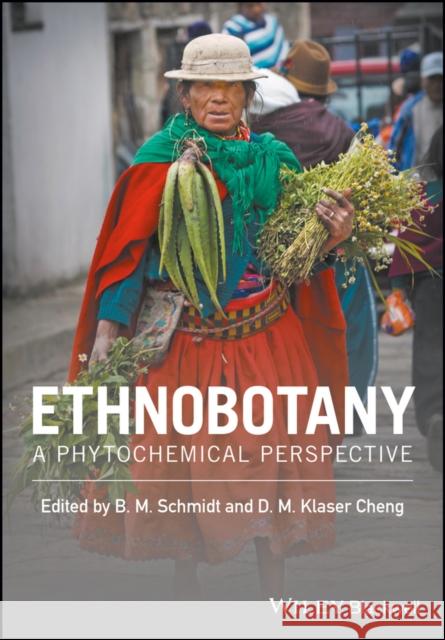
Ethnobotany: A Phytochemical Perspective Schmidt, Barbara M. 9781118961902 John Wiley & Sons - książkaWidoczna okładka, to zdjęcie poglądowe, a rzeczywista szata graficzna może różnić się od prezentowanej.

Ethnobotany: A Phytochemical Perspective

ISBN-13: 9781118961902 / Angielski / Twarda / 2017 / 376 str.

Schmidt, Barbara M.
cena 652,04
(netto: 620,99 VAT:  5%)

Najniższa cena z 30 dni: 646,70
Termin realizacji zamówienia:
ok. 30 dni roboczych.

Darmowa dostawa!

Ethnobotany: A Phytochemical Perspective explores the chemistry behind hundreds of plant medicines, dyes, fibers, flavors, poisons, insect repellants, and many other uses of botanicals. Bridging the gap between ethnobotany and chemistry, this book presents an introduction to botany, ethnobotany, and phytochemistry to clearly join these fields of study and highlight their importance in the discovery of botanical uses in modern industry and research. Part I. Ethnobotany, explores the history of plant exploration, current issues such as conservation and intellectual property rights, and a review of plant anatomy. An extensive section on plant taxonomy highlights particularly influential and economically important plants from across the plant kingdom. Part II. Phytochemistry, provides fundamentals of secondary metabolism, includes line drawings of biosynthetic pathways and chemical structures, and describes traditional and modern methods of plant extraction and analysis. The last section is devoted to the history of native plants and people and case studies on plants that changed the course of human history from five geographical regions: Africa, the Americas, Asia, Europe, and Ocean. Throughout the entire book, vivid color photographs bring science to life, capturing the essence of human botanical knowledge and the beauty of the plant kingdom.


Kategorie:
Nauka, Biologia i przyroda
Kategorie BISAC:
Science > Botanika
Health & Fitness > Herbal Medications
Wydawca:
John Wiley & Sons
Język:
Angielski
ISBN-13:
9781118961902
Rok wydania:
2017
Ilość stron:
376
Waga:
0.89 kg
Wymiary:
24.8 x 17.2 x 2.2
Oprawa:
Twarda
Wolumenów:
01
Dodatkowe informacje:
Bibliografia

List of Contributors ix

Foreword xi

Preface xiii

Acknowledgments xvii

Part I Introduction to Ethnobotany and Phytochemistry 1

1   Ethnobotany 3

B. M. Schmidt

­Key Terms and Concepts 3

­Ethnobotany throughout History 4

­References and Additional Reading 18

­Current Topics in Ethnobotany 18

­References 22

­Taxonomy: Plant Families 23

­References and Additional Reading 90

­Plant Anatomy and Architecture: The Highlights 93

­References and Additional Reading 105

­Keys for Plant Identification 106

­Herbaria, Plant Collection, and Voucher Specimens 107

­References and Additional Reading 109

2   Phytochemistry 111

D. M. Klaser Cheng

­Primary and Secondary Metabolites 111

­References and Additional Reading 126

­Databases 126

­References 127

­Extraction and Chromatographic Techniques 127

References 133

­Evaluation of Biological Activities 134

­References 139

Part II Case Studies 141

3   Introduction 143

4   Africa 145

M.H. Grace, P.J. Smith, I. Raskin, M.A. Lila, B.M. Schmidt, and P. Chu

­Introduction 145

­Northern Africa 149

­Southern Africa 151

­The African Diaspora 156

­References and Additional Reading 159

­Achillea millefolium: Re‐Exploring Herbal Remedies for Combating Malaria 160

­References 164

­Vanilla: Madagascar’s Orchid Economy 166

­References 170

­Traditional Treatments for HIV in South Africa 171

References 176

­Duckweed as a More Sustainable First‐Generation Bioethanol Feedstock 178

­References 181

5   The Americas 183

J. Kellogg, B.M. Schmidt, B.L. Graf, C.J. Jimenez, H.A. Cumplido, C. Calfío, L.E. Rojo,
K. Cubillos‐Roble, A. Troncoso‐Fonseca, and J. Delatorre‐Herrera

­Introduction 184

­North America 185

­Central America and the Caribbean 189

­South America 194

­References and Additional Reading 198

­Phlorotannins in Seaweed 199

­References 202

­Agave: More Than Just Tequila 203

­References 208

­Quinoa: A Source of Human Sustenance and Endurance in the High Andes 209

­References 213

­Maqui (Aristotelia chilensis): An Ancient Mapuche Medicine with Antidiabetic Potential 215

­References 220

­Betalains from Chenopodium quinoa: Andean Natural Dyes with Industrial Uses beyond Food and Medicine 222

­References 226

6   Asia 227

P. Li, W. Gu, C. Long, B.M. Schmidt, S.S. Ningthoujam, D.S. Ningombam,
 A.D. Talukdar, M.D. Choudhury, K.S. Potsangbam, H. Singh, S. Khatoon and M. Isman

­Introduction 228

­Central Asia 229

­Western Asia 231

­South Asia 233

­Southeast Asia 237

­East Asia 240

­References and Additional Reading 243

­Ethnobotany of Dai People’s Festival Cake in Southwest China 244

­References 247

­The Ethnobotany of Teeth Blackening in Southeast Asia 247

­References 251

­Artemisia Species and Human Health 252

­References 257

­Traditional Treatment of Jaundice in Manipur, Northeast India 258

­References 265

­Ethnobotany and Phytochemistry of Sacred Plant Species Betula utilis (bhojpatra) and Quercus oblongata (banj) from Uttarakhand
Himalaya, India 267

­References 270

­Neem‐Based Insecticides 272

­References 275


7   Europe 277

T.B. Tumer, B.M. Schmidt, and M. Isman

­Introduction 278

­References and Additional Reading 285

­Differential Use of Lavandula stoechas L. among Anatolian People against Metabolic Disorders 285

­References 289

­Mad Honey 291

­References 294

­Indigo: The Devil’s Dye and the American Revolution 295

­References 302

­Insecticides Based on Plant Essential Oils 303

­References 306

8   Oceania 309

B.M. Schmidt

­Introduction 310

­References and Additional Reading 317

­Banana (Musa spp.) as a Traditional Treatment for Diarrhea 317

­References 322

­Pharmacological Effects of Kavalactones from Kava
(Piper methysticum) Root 323

­References 328

Botanical Index 329

Subject Index 339


B. M. SCHMIDT, Global Leader of Plant Biology, L′Oreal USA

D. M. KLASER CHENG, Senior Scientist, Nutrasorb, LLC and Visiting Scientist, Rutgers University

Ethnobotany: A Phytochemical Perspective explores the chemistry behind hundreds of plant medicines, dyes, fibers, flavors, poisons, insect repellants, and many other uses of botanicals. Bridging the gap between ethnobotany and chemistry, this book presents an introduction to botany, ethnobotany, and phytochemistry to clearly join these fields of study and highlight their importance in the discovery of botanical uses in modern industry and research.

Part I. Ethnobotany, explores the history of plant exploration, current issues such as conservation and intellectual property rights, and a review of plant anatomy. An extensive section on plant taxonomy highlights particularly influential and economically important plants from across the plant kingdom. Part II. Phytochemistry, provides fundamentals of secondary metabolism, includes line drawings of biosynthetic pathways and chemical structures, and describes traditional and modern methods of plant extraction and analysis. The last section is devoted to the history of native plants and people and case studies on plants that changed the course of human history from five geographical regions: Africa, the Americas, Asia, Europe, and Oceania. Throughout the entire book, vivid color photographs bring science to life, capturing the essence of human botanical knowledge and the beauty of the plant kingdom.




Udostępnij

Facebook - konto krainaksiazek.pl


Opinie o Krainaksiazek.pl na Opineo.pl

Partner Mybenefit

Krainaksiazek.pl w programie rzetelna firma Krainaksiaze.pl - płatności przez paypal

Czytaj nas na:

Facebook - krainaksiazek.pl
  • książki na zamówienie
  • granty
  • książka na prezent
  • kontakt
  • pomoc
  • opinie
  • regulamin
  • polityka prywatności

Zobacz:

  • Księgarnia czeska

  • Wydawnictwo Książkowe Klimaty

1997-2026 DolnySlask.com Agencja Internetowa

© 1997-2022 krainaksiazek.pl
     
KONTAKT | REGULAMIN | POLITYKA PRYWATNOŚCI | USTAWIENIA PRYWATNOŚCI
Zobacz: Księgarnia Czeska | Wydawnictwo Książkowe Klimaty | Mapa strony | Lista autorów
KrainaKsiazek.PL - Księgarnia Internetowa

Polityka prywatnosci - link
Krainaksiazek.pl - płatnośc Przelewy24
Przechowalnia Przechowalnia



