• Wyszukiwanie zaawansowane
  • Kategorie
  • Kategorie BISAC
  • Książki na zamówienie
  • Promocje
  • Granty
  • Książka na prezent
  • Opinie
  • Pomoc
  • Załóż konto
  • Zaloguj się

Envisioning Environmental Literacy: Action and Outreach » książka


zaloguj się | załóż konto
Logo Krainaksiazek.pl

koszyk

konto

szukaj
topmenu
Księgarnia internetowa
Szukaj
Książki na zamówienie
Promocje
Granty
Książka na prezent
Moje konto
Pomoc
 
 
Wyszukiwanie zaawansowane
Pusty koszyk
Bezpłatna dostawa dla zamówień powyżej 20 złBezpłatna dostawa dla zamówień powyżej 20 zł

Kategorie główne

• Nauka
 [2949965]
• Literatura piękna
 [1857847]

  więcej...
• Turystyka
 [70818]
• Informatyka
 [151303]
• Komiksy
 [35733]
• Encyklopedie
 [23180]
• Dziecięca
 [617748]
• Hobby
 [139972]
• AudioBooki
 [1650]
• Literatura faktu
 [228361]
• Muzyka CD
 [398]
• Słowniki
 [2862]
• Inne
 [444732]
• Kalendarze
 [1620]
• Podręczniki
 [167233]
• Poradniki
 [482388]
• Religia
 [509867]
• Czasopisma
 [533]
• Sport
 [61361]
• Sztuka
 [243125]
• CD, DVD, Video
 [3451]
• Technologie
 [219309]
• Zdrowie
 [101347]
• Książkowe Klimaty
 [123]
• Zabawki
 [2362]
• Puzzle, gry
 [3791]
• Literatura w języku ukraińskim
 [253]
• Art. papiernicze i szkolne
 [7933]
Kategorie szczegółowe BISAC

Envisioning Environmental Literacy: Action and Outreach

ISBN-13: 9789811570087 / Angielski / Miękka / 2021 / 345 str.
Wei-Ta Fang
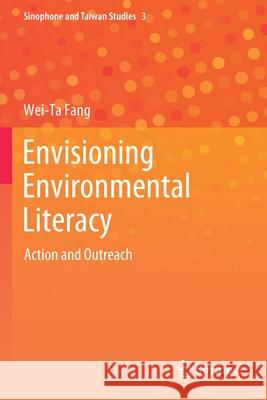
Envisioning Environmental Literacy: Action and Outreach Wei-Ta Fang 9789811570087 Springer - książkaWidoczna okładka, to zdjęcie poglądowe, a rzeczywista szata graficzna może różnić się od prezentowanej.

Envisioning Environmental Literacy: Action and Outreach

ISBN-13: 9789811570087 / Angielski / Miękka / 2021 / 345 str.

Wei-Ta Fang
cena 524,53 zł
(netto: 499,55 VAT:  5%)

Najniższa cena z 30 dni: 501,19 zł
Termin realizacji zamówienia:
ok. 22 dni roboczych
Bez gwarancji dostawy przed świętami

Darmowa dostawa!
inne wydania
Kategorie:
Nauka, Socjologia i społeczeństwo
Kategorie BISAC:
Social Science > Antropologia - Kultury
Education > General
Nature > Environmental Conservation & Protection - General
Wydawca:
Springer
Seria wydawnicza:
Sinophone and Taiwan Studies
Język:
Angielski
ISBN-13:
9789811570087
Rok wydania:
2021
Wydanie:
2020
Numer serii:
001087167
Ilość stron:
345
Waga:
0.53 kg
Wymiary:
23.39 x 15.6 x 1.98
Oprawa:
Miękka
Wolumenów:
01
Dodatkowe informacje:
Wydanie ilustrowane

Part I Contextualization


Chapter 1 Orientation
1.1 Introduction to Norms
1.1.1 What is the Definition of Social Norms
1.1.2 Four Different Types of Norms
1.2 The Relationship Between Norms and Pro-environmental Behaviors   
1.2.1 Descriptive Norms
1.2.2 Injunctive Norms
1.2.3 Subjective Norms
1.3 New Environmental Paradigm (NEP)
1.3.1 Human Exemptionalism Paradigm (HEP) 
The History of New Environmental Paradigm (NEP) 
1.4 Learning Processes
1.4.1   Free-choice Learning
1.4.2   Learning Venues
1.4.3 Model of Free-choice Learning and New Environmen-tal Paradigm (NEP) 
1.4.4 Emotional State for Learning
1.5 The Triangular Pyramid Model in My Research
1.5.1 What is The Triangular Pyramid Model? 
1.5.2 Project from Solid Model to Plane
1.6 Area of Study
1.7 About the Book 
References

Chapter 2 Indigenous Knowledge  
2.1    Introduction
2.2 Traditional Ecological Knowledge
2.2.1 Yin and Yang
2.2.2 Feng Shui and Wu Xing
2.2.3 Eight Trigrams (Baguà) 
2.3 Tribal Knowledge and Indigenous Science
2.3.1 Research on Taiwanese Indigenous Peoples
2.3.2 Sustainability and Scientific Nature of Hunting Culture
2.3.3 Gaga System for Constructing TEK and Indigenous Science
2.4 Evoking Identification of Sustainability
2.5 Summery
References

Chapter 3 Environmental Literacy: Behavior Oriented
3.1 Introduction
3.2 Environmental Literacy
3.3 Pro-Environmentally Behavior
3.3.1 Theory of Planned Behavior (TPB) 
3.3.2   Value-belief-norm Theory (VBN) 
3.3.3 Empowerment
3.3.4 Factors Related to Pro-environmental Behavior
3.3.5 Barriers to Pro-environmental Behavior
3.4 Conducting Studies for Environmental Literacy
3.4.1 Research Contents in the Book
3.4.2 Research Methods  
3.4.3 Results of the Book
3.5 Summary 
References

Chapter 4 Environmental Governance
4.1 Introduction
4.2. Defining Local Environmental Governance in Taiwan
4.3 Analytical Procedures and Methods
4.4 Results of Detecting Insufficiencies and the Powerlessness of Local Environmental Governance in Taiwan
4.5 Discussion
4.6 Conclusions: An Unfinished Theory of Decentralization of Envi-ronmental Representative Politics in Taiwan
4.7 Summery 
References

Part II Agents

Chapter 5 Officers
5.1 Introduction
5.1.1 Norm Activation Model (NAM)
5.1.2 Hypothesis of the NAM
5.2 Materials and Methods
5.2.1 Participants and Procedure
5.2.2 Measures
5.3 Results
5.3.1 Descriptive Findings
5.3.2 Correlation Analysis
5.3.3 Path Analysis and Structural Equation Model
5.4 Discussion: Using the Norm Activation Model (NAM) to Predict the Pro-Environmental Behaviors of Public Servants at the Central and Local Governments
5.4.1 Influence of Personal Norms
5.4.2 Influence of Awareness of Consequences
5.4.3 Influence of Ascription of Responsibility
5.5 Implications, Limitations, and Future Research
5.6 Summery
References

Chapter 6 Farmers
6.1 Introduction
6.2 Conceptual Framework and Hypotheses
6.3 Materials and Methods
6.4 Results
6.5 Discussion
6.5.1 Influence of Social Norms
6.5.2 Influence of Personal Norms
6.5.3 Influence of Perceived Behavioral Control
6.5.4 Implications, Limitations and Future Research
6.6 Conclusions: The Determinants of Farmers’ Pro-environmental Behaviors in Taiwan
6.7 Summery 
References

Chapter 7 Labors
7.1 Introduction
7.1.1 Locus of Control
7.1.2 Emotional Stability and Neuroticism
7.1.3. Proposed Framework and Hypotheses
7.2 Materials and Methods
7.2.1 Participants and Procedure
7.2.2 Measures
7.3 Results
7.3.1 Descriptive Findings
7.3.2. Correlation Analysis
7.3.3. Hypothesis Testing
7.4 Discussion for Locus of Control: The Mediation Effect between Emotional Stability and Pro-Environmental Behavior
7.5 Implications, Limitations, and Future Research
7.6 Summery 
References

Chapter 8 College Visitors
8.1 Introduction
8.2 Experimental Materials and Methods
8.2.1 Study Area and Respondents
8.2.2 Questionnaire, Sampling, and Survey Process
8.3 Statistical characterization
8.4 Results and Discussion
8.4.1 Demographic Information
8.4.2 Path Analysis
8.5 Discussions and Conclusions: Evaluation of Place Attachment, Satisfaction, and Responsible Environmental Behaviors of Visitors to a Constructed Wetland on Campus
8.6 Summery
References

Chapter 9 College Students 
9.1 Introduction
9.1.1 Environmental Education in Taiwan
9.1.2 Framework and Elements of Environmental Literacy
9.2 Materials and Methods
9.2.1 Participants
9.2.2 Instrument and Instrumentation
9.2.3 Data Collection and Analysis
9.3 Results
9.3.1 General Descriptive Findings
9.3.2 Environmental Literacy
9.3.3 t-Test and Chi-square Test
9.3.4 Confirmatory Factor Analysis
9.4 Discussion and Implications
9.4.1 Relationships between Environmental Knowledge, At-titudes and Behavior
9.4.2 Gender Comparison on Environmental Literacy
9.4.3 Relationship between Clubs and Societies Participation and Environmental Literacy
9.4.4 Sources of Environmental Information
9.4.5 Study Implications
9.4.6 Study Limitations
9.5 Summery
References

Part III Actors  

Chapter 10 Children
10.1 Introduction
10.2 Materials and Methods
10.2.1 Research Area
10.2.2 Participants
10.2.3 Measures
10.3 Results
10.3.1 Descriptive Statistics
10.3.2 Correlation Analysis
10.3.3 Regression and Path Analysis
10.4 Discussion about Physical Outdoor Activity Versus Indoor Ac-tivity: Their Influence on Environmental Behaviors
10.4.1 Influence of Attitudes
10.4.2 Influence of Social Norms (Subjective and Descriptive Norms)
10.4.3 Implications, Limitations and Future Research
10.5 Conclusions
10.6 Summery 
References

Chapter 11 Parents
11.1 Introduction
11.2 Materials and Methods
11.2.1 Research Hypotheses
11.2.2 Research Area
11.2.3 Participants
11.2.4 Measures
11.3. Results
11.3.1 Descriptive Statistics
11.3.2 Correlation Analysis
11.3.3 Regression and Path Analysis
11.4 Discussion and Implications: Using Theory of Planned Behav-ior to Predict Protective Behavioral Intentions against PM2.5 of Young Children’s Parents from Urban and Rural Beijing, China
11.4.1 Attitude
11.4.2 Perceived Behavioral Control (PBC) 
11.4.3 Subjective Norms
11.4.4 Regulatory and Health Implications
11.5 Conclusions, Limitations and Future Research
11.6 Summery 
References

Chapter 12 Outreach Media
12.1 Introduction
12.2 Literature Review and Hypotheses
12.2.1 Media Richness
12.2.2 Creativity
12.2.3 Research Hypotheses of Media Richness and Creativi-ty
12.3 Materials and Methods
12.3.1 Preparation Stage
12.3.2 Experimental Stage (Quasi-Experiment) 
12.3.3 Analysis
12.4 Results
12.4.1. Distribution of Demographic Profiles
12.4.2 Torrance Creativity Cognitive Performance
12.4.3 Independent Sample t-Test Analysis of Media Rich-ness Perception
12.4.4 Correlation between Media Richness Perception and Potential Creativity Cognition Performance Variables
12.4.5 Research Hypotheses
12.5 Discussion: Exploring the Correlation of Media Richness and Creativity of Computer-Mediated Communication and Face-to-Face Communication
12.6 Limitation: Technology-Enhanced Learning for Graduate Stu-dents
12.6.1 Limitation of Subjects
12.6.2 Limitations of Research Method and Tools
12.7 Summery
References
Epilogue
Index

Wei-Ta Fang, Ph.D., is a Distinguished Professor and Director of the Graduate Institute of Environmental Education, National Taiwan Normal University, and President of the Society of Wetland Scientists Asia Chapter. He is an environmental educator and the first research fellow awarded the status of Professional Wetland Scientist (PWS) in Asia. He received the President’s Service Award (2017 & 2011), and the Doug Wilcox Award (2015), both from the Society of Wetland Scientists, and has also served as an Associate Editor of Wetlands (SCI journal, Springer), since 2012. His publications include Tourism in Emerging Economies (Springer, 2020) and Envisioning Environmental Literacy.

This book bridges the gap between two critical issues – environmental literacy and social norms – and explores various topics and case studies from Sinophone and Taiwanese perspectives. Each chapter includes extensive information on pro-environmental behaviors, and on people with working experiences, home experiences, and actual philosophies in their daily lives. In keeping with the Sustainable Development Goals (SDGs), this book highlights our potential to contribute to social inclusion and environmental protection, and offers a comprehensive guide for scholars, students, practitioners, and entrepreneurs in environmental education and related disciplines. 


Udostępnij

Facebook - konto krainaksiazek.pl


Opinie o Krainaksiazek.pl na Opineo.pl

Partner Mybenefit

Krainaksiazek.pl w programie rzetelna firma Krainaksiaze.pl - płatności przez paypal

Czytaj nas na:

Facebook - krainaksiazek.pl
  • książki na zamówienie
  • granty
  • książka na prezent
  • kontakt
  • pomoc
  • opinie
  • regulamin
  • polityka prywatności

Zobacz:

  • Księgarnia czeska

  • Wydawnictwo Książkowe Klimaty

1997-2025 DolnySlask.com Agencja Internetowa

© 1997-2022 krainaksiazek.pl
     
KONTAKT | REGULAMIN | POLITYKA PRYWATNOŚCI | USTAWIENIA PRYWATNOŚCI
Zobacz: Księgarnia Czeska | Wydawnictwo Książkowe Klimaty | Mapa strony | Lista autorów
KrainaKsiazek.PL - Księgarnia Internetowa

Polityka prywatnosci - link
Krainaksiazek.pl - płatnośc Przelewy24
Przechowalnia Przechowalnia






