Enterprise Model Patterns: Describing the World (UML Version) » książka





Enterprise Model Patterns: Describing the World (UML Version)
ISBN-13: 9781935504054 / Angielski / Twarda / 2011 / 550 str.
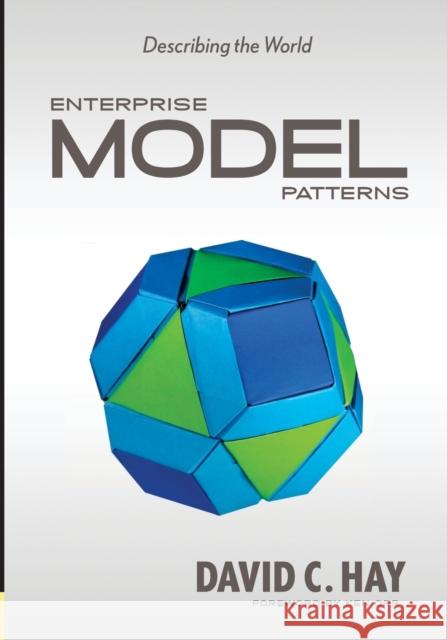
Here you'll find one key to the development of a successful information system: Clearly capture and communicate both the abstract and concrete building blocks of data that describe your organization. In 1995, David Hay published Data Model Patterns: Conventions of Thought - the groundbreaking book on how to use standard data models to describe the standard business situations. Enterprise Model Patterns: Describing the World builds on the concepts presented there, adds 15 years of practical experience, and presents a more comprehensive view.You will learn how to apply both the abstract and concrete elements of your enterprise's architectural data model through four levels of abstraction: Level 0: An abstract template that underlies the Level 1 model that follows, plus two meta models:
- Information Resources. In addition to books, articles, and e-mail notes, it also includes photographs, videos, and sound recordings.
- Accounting. Accounting is remarkable because it is itself a modeling language. It takes a very different approach than data modelers in that instead of using entities and entity classes that represent things in the world, it is concerned with accounts that represent bits of value to the organization.
- People and Organization. Who is involved with the business? The people involved are not only the employees within the organization, but customers, agents, and others with whom the organization comes in contact. Organizations of interest include the enterprise itself and its own internal departments, as well as customers, competitors, government agencies, and the like.
- Geographic Locations. Where is business conducted? A geographic location may be either a geographic area (defined as any bounded area on the Earth), a geographic point (used to identify a particular location), or, if you are an oil company for example, a geographic solid (such as an oil reserve).
- Assets. What tangible items are used to carry out the business? These are any physical things that are manipulated, sometimes as products, but also as the means to producing products and services.
- Activities. How is the business carried out? This model not only covers services offered, but also projects and any other kinds of activities. In addition, the model describes the events that cause activities to happen.
- Time. All data is positioned in time, but some more than others.
- Facilities
- Human Resources
- Communications and Marketing
- Contracts
- Manufacturing
- The Laboratory
Here you’ll find one key to the development of a successful information system: Clearly capture and communicate both the abstract and concrete building blocks of data that describe your organization. In 1995, David Hay published Data Model Patterns: Conventions of Thought - the groundbreaking book on how to use standard data models to describe the standard business situations. Enterprise Model Patterns: Describing the World builds on the concepts presented there, adds 15 years of practical experience, and presents a more comprehensive view.You will learn how to apply both the abstract and concrete elements of your enterprise’s architectural data model through four levels of abstraction:Level 0: An abstract template that underlies the Level 1 model that follows, plus two meta models:
- Information Resources. In addition to books, articles, and e-mail notes, it also includes photographs, videos, and sound recordings.
- Accounting. Accounting is remarkable because it is itself a modeling language. It takes a very different approach than data modelers in that instead of using entities and entity classes that represent things in the world, it is concerned with accounts that represent bits of value to the organization.
- People and Organization. Who is involved with the business? The people involved are not only the employees within the organization, but customers, agents, and others with whom the organization comes in contact. Organizations of interest include the enterprise itself and its own internal departments, as well as customers, competitors, government agencies, and the like.
- Geographic Locations. Where is business conducted? A geographic location may be either a geographic area (defined as any bounded area on the Earth), a geographic point (used to identify a particular location), or, if you are an oil company for example, a geographic solid (such as an oil reserve).
- Assets. What tangible items are used to carry out the business? These are any physical things that are manipulated, sometimes as products, but also as the means to producing products and services.
- Activities. How is the business carried out? This model not only covers services offered, but also projects and any other kinds of activities. In addition, the model describes the events that cause activities to happen.
- Time. All data is positioned in time, but some more than others.
- Facilities
- Human Resources
- Communications and Marketing
- Contracts
- Manufacturing
- The Laboratory




Czytaj nas na:
KrainaKsiazek.PL - Księgarnia Internetowa


