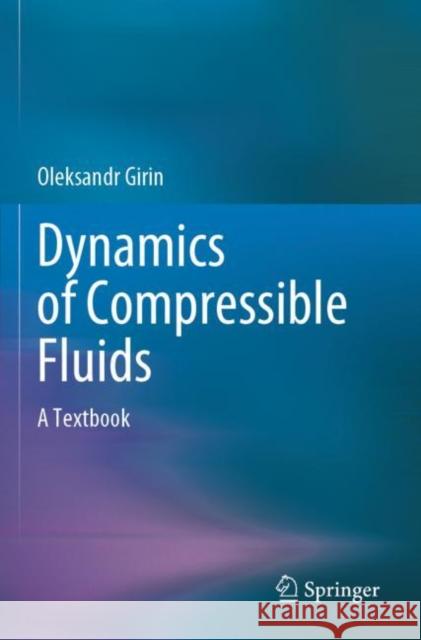
Dynamics of Compressible Fluids » książka





(netto: 249,17 VAT: 5%)
Najniższa cena z 30 dni: 250,57
ok. 16-18 dni roboczych.
Darmowa dostawa!
Compressibility is a property inherent in any material, but it does not always manifest itself. Experience suggests that it affects the medium motion only at velocities comparable to the speed of sound. Why do we study compressibility? It turns out that in order to calculate the aircraft streamlining or the internal flow in its engine, or the shell muzzle velocity, or the dynamic load of a shock wave from an accidental blast on a structural element, and in many other cases it is necessary to know and understand the laws of the Dynamics of Compressible Media (DCM) and be able to apply them in practice. This textbook is designed to help readers achieve this goal and learn the basics of DCM. This field of knowledge is high-tech and always focuses on the future: modern developments of hypersonic aircraft, designing more advanced structural elements for airplanes and helicopters, calculating the car aerodynamics, etc. Paradoxes have always given impetus to the search for new technological devices. Unusual effects in DCM include the flow chocking in supersonic outflow from reservoirs (Sect.2.2); the shock wave formation inside an initially smooth flow (Sect.5.3); the generation of a "spallation saucer" of armor inside a tank when a shell hits it (Sect.5.5); the dog-leg of a plane discontinuity surface at shockwave reflection from a rigid wall (Sec.8.1). The way to understand these and other effects is through the creation of quantitative models of a moving compressible fluid.
0.1 The Scopes of Gas Dynamics..................................................................................................................................................................... 1
0.2 The Subject Matter of Gas Dynamics......................................................................................................................................................... 3
1 GENERAL EQUATIONS of GAS DYNAMICS...........................................................................................................................7
1.1 The Thermodynamic Model of a Perfect Gas. Adiabatic Formulae....................................................................................................7
1.1.1 internal state of a gas particle; thermodynamic variables..........................................................................................................................7
1.1.2 perfect gas model; polytropic gas .............................................................................................................................................................9
1.1.3 adiabatic formulae ...................................................................................................................................................................................12
1.2 Governing Equations of Gas Motion. Mathematical Model of an Ideal, Non-Heat-Conductive gas............................................... 13
1.3 Speed of Propagation of Small Disturbances in Ideal Gas. Sound Speed. ....................................................................................... 18
1.4 Thermodynamics of a Moving Gas.................................................................................................................................................... 22
1.4.1 Bernoulli – Saint-Venant equation; enthalpy........................................................................................................................................... 22
1.4.2 stagnation gas state; isentropic formulae.................................................................................................................................................. 24
1.4.3 Laval’s number; other characteristic states of a moving gas..................................................................................................................... 25
2 CONTINUOUS FLOWS................................................................................................................................................................. 31
2.1 Equations of One-Dimensional Steady Gas Flow. Rule of a Stream Reversal................................................................................... 31
2.2 Gas Outflow from Reservoir. Saint-Venant – Vantzel Formula. ....................................................................................................... 34
2.3 Supersonic Outflow Mode. Laval’s Nozzle........................................................................................................................................ 38
3 DISCONTINUITY in a GAS FLOW.............................................................................................................................................. 413.1 Conservation Laws at a Strong Discontinuity..................................................................................................................................... 42
3.2 Classification of Strong Discontinuities. Shocks.................................................................................................................................. 46
3.3 Normal Shock Theory........................................................................................................................................................................... 49
3.4 Normal Shock Regularities................................................................................................................................................................... 53
3.4.1 velocity jump ............................................................................................................................................................................................. 53
3.4.2 pressure jump ............................................................................................................................................................................................ 54
3.4.3 density jump .............................................................................................................................................................................................. 54
3.4.4 entropy jump ............................................................................................................................................................................................. 55
3.5 Shock Adiabatic Curve and its Properties. ........................................................................................................................................... 57
3.5.1 equation of shock adiabatic curve .............................................................................................................................................................. 57
3.5.2 "asterisk" property ..................................................................................................................................................................................... 59
3.5.3 limiting degree of gas compression in shock waves ................................................................................................................................. 59
3.5.4 approximation of strong shocks ................................................................................................................................................................ 60
3.5.5 approximation of weak shocks .................................................................................................................................................................. 60
4 GOVERNING EQUATIONS and INITIAL-BOUNDARY-VALUE PROBLEMS........................................................................ 634.1 Geometry of One-Dimensional Flows.................................................................................................................................................. 63
4.2 Equations of Motion in Euler’s Form. Initial and Boundary Conditions............................................................................................. 64
4.2.1 Euler’s equations of motion ....................................................................................................................................................................... 64
4.2.2 initial conditions ........................................................................................................................................................................................ 65
4.2.3 boundary conditions................................................................................................................................................................................... 66
4.3 Equations of Motion in Lagrange Form............................................................................................................................................... 67
4.4 Equations of Motion in Characteristic Form. The Characteristic Curves. Compatibility Relations along the Characteristics........... 69
4.5 The Method of Characteristics............................................................................................................................................................. 73
4.6 Generalized Cauchy Problem (Type I Problem). The Domain of Determinacy. Domain of Dependence. Range of Influence.......... 75
4.7 The Goursat Problem (Type II Problem)............................................................................................................................................. 81
4.8 Combined Problem of a Special Type (Problem of III Type)............................................................................................................... 82
4.9 Characteristics as Trajectories of a Possible Weak Discontinuity of a Solution.................................................................................. 83
4.9.1 relationships along the weak discontinuity trajectory ............................................................................................................................... 83
4.9.2 breakup of arbitrary weak discontinuity..................................................................................................................................................... 86
5 ISENTROPIC GAS FLOWS with PLANE WAVES....................................................................................................................... 895.1 Riemann Method................................................................................................................................................................................... 89
5.1.1 Riemann invariants..................................................................................................................................................................................... 89
5.1.2 Riemann variables; Riemann method......................................................................................................................................................... 90
5.1.3 the Euler – Poisson equation........................................................................................................................................................................ 91
5.1.4 the remarkable case ɣ=3.............................................................................................................................................................................. 92
5.2 The Riemann Waves.............................................................................................................................................................................. 93
5.2.1 simple waves ............................................................................................................................................................................................... 93
5.2.2 adjoining theorem........................................................................................................................................................................................ 94
5.2.3 simple wave equations................................................................................................................................................................................. 96
5.2.4 properties of simple waves ......................................................................................................................................................................... 97
5.3 Gradient Catastrophe.............................................................................................................................................................................. 99
5.4 The Piston Problem............................................................................................................................................................................... 103
5.4.1 case when the piston is pulled out from gas............................................................................................................................................... 1035.4.2 case of piston moving with constant velocity............................................................................................................................................. 105
5.4.3 gas outflow into the vacuum...................................................................................................................................................................... 1065.4.4 piston moves into gas; shock wave induction time ................................................................................................................................... 108
5.5 Interaction of Simple Wave with a Contact Surface. Reflection and Refraction Coefficients. ........................................................... 111
5.5.1 analysis of the flow structure...................................................................................................................................................................... 111
5.5.2 qualitative analysis of the interaction ........................................................................................................................................................ 113
5.5.3 the limit cases ............................................................................................................................................................................................ 116
6 METHODS of WAVE INTERACTION ANALYSIS. .................................................................................................................... 119
6.1 Method of(u,p)–diagrams..................................................................................................................................................................... 119
6.1.1(u,p)-diagrams of simple waves. .................................................................................................................................................................. 119
6.1.2(u, p)-diagrams of shock waves .................................................................................................................................................................... 121
6.2 Breakup of Arbitrary Strong Discontinuity (Riemann’s Problem)........................................................................................................ 123
6.2.1 the problem formulation ............................................................................................................................................................................. 125
6.2.2 lemma about the disturbances...................................................................................................................................................................... 127
6.2.3 existence and uniqueness of the solution..................................................................................................................................................... 128
6.2.4 acoustic approximation ............................................................................................................................................................................... 136
7 SHOCK – WAVE FLOWS. .............................................................................................................................................................. 139
7.1 Shock Tube Performance....................................................................................................................................................................... 139
7.1.1 the device description ................................................................................................................................................................................. 139
7.1.2 the problem formulation ............................................................................................................................................................................. 140
7.1.3 shock tube solution ..................................................................................................................................................................................... 141
7.2 Piston Moving with a Constant Velocity............................................................................................................................................... 144
7.2.1 piston moves into the gas ............................................................................................................................................................................ 145
7.2.2 piston moves out from the gas..................................................................................................................................................................... 146
7.3 Shock Wave Reflection from Rigid Wall. Amplification Factor.......................................................................................................... 147
7.3.1 the problem formulation ............................................................................................................................................................................. 147
7.3.2 the problem solution.................................................................................................................................................................................... 148
7.3.3 shock wave percussive ability .................................................................................................................................................................... 149
7.4 Interaction of Shock Wave with Contact Surface................................................................................................................................. 150
7.4.1 the problem formulation............................................................................................................................................................................. 150
7.4.2 qualitative analysis of the flow................................................................................................................................................................... 151
7.5 Interaction of two Shock Waves........................................................................................................................................................... 153
7.5.1 the problem formulation...............................................................................................................................................................................153
7.5.2 qualitative analysis...................................................................................................................................................................................... 153
7.6 Interaction of Shock Wave with Simple Wave. Entropy Trace............................................................................................................ 155
7.6.1 the problem formulation............................................................................................................................................................................. 155
7.6.2 qualitative analysis of the flow................................................................................................................................................................... 155
7.7 The Problem of the Internal Ballistics (Lagrange’s Problem).............................................................................................................. 157
7.7.1 the main assumptions ................................................................................................................................................................................. 157
7.7.2 the problem formulation............................................................................................................................................................................. 158
7.7.3 solution in the domain of simple wave ...................................................................................................................................................... 160
7.8 Strong Point Blast in Gas...................................................................................................................................................................... 162
7.8.1 explosion phenomenon............................................................................................................................................................................... 162
7.8.2 the problem formulation............................................................................................................................................................................. 163
7.8.3 self-similarity of the solution ..................................................................................................................................................................... 164
7.8.4 regularities of gas motion at strong point blast .......................................................................................................................................... 165
7.9 Long-Range Asymptotic Behaviour of Shock Waves.......................................................................................................................... 168
8 PLANE IRROTATIONAL FLOWS..................................................................................................................................................175
8.1 Theory of an Oblique Shock................................................................................................................................................................. 176
8.1.1 interaction of supersonic flow with a wedge; velocity triangle.................................................................................................................. 176
8.1.2 the properties of shock polar........................................................................................................................................................................180
8.1.3 oblique reflection of a plane shock from a rigid wall................................................................................................................................. 185
8.2 Equations of Steady Plane Irrotational Gas Motion.............................................................................................................................. 187
8.2.1 equations and methods................................................................................................................................................................................ 187
8.2.2 the characteristics of equations of plane irrotational steady flow............................................................................................................... 189
8.2.3 simple waves ............................................................................................................................................................................................... 195
8.3 Supersonic Flow around a Convex Corner. Prandtl – Meyer Flow....................................................................................................... 196
8.4 Plane Supersonic Outflow from a Slit.................................................................................................................................................... 198
8.5 Elements of the Theory of Thin Aerodynamic Profile........................................................................................................................... 201
8.5.1 the main concepts......................................................................................................................................................................................... 201
8.5.2 linearization of equations of motion.............................................................................................................................................................203
8.5.3 thin profile in a subsonic stream; the Prandtl–Glauert rule......................................................................................................................... 206
8.5.4 thin profile in a supersonic stream; Akkeret’s formula; wave drag............................................................................................................. 208
References ................................................................................................................................................................................................ 212
A Appendix A. Numerical Method of Characteristics for theCalculations of 1-D Unsteady Flows (Massau’s Scheme)..................... 213
A.1 General Features of the Method............................................................................................................................................................. 213
A.2 Algorithms of the Numerical Method of Characteristics....................................................................................................................... 215
A.2.1 governing equations of 1-D unsteady gas flow in characteristic form........................................................................................................ 215
A.2.2 calculations in the internal node.................................................................................................................................................................. 216
A.2.3 implementation of boundary conditions...................................................................................................................................................... 221
A.3 Reverse Method of Characteristics (Hartree Scheme)........................................................................................................................... 232
A.4 Scheme for Isentropic Flows with Plane Waves.................................................................................................................................... 234
B Appendix B. Godunov’s Method for the Calculations of 1-DUnsteady Flows.................................................................................. 237
B.1 General Properties of the Method.......................................................................................................................................................... 237
B.2 Scheme of the Method........................................................................................................................................................................... 238
B.2.1 initial data processing.................................................................................................................................................................................. 238
B.2.2 development of the difference scheme.........................................................................................................................................................240
B.2.3 searching for uk, pk and flow configuration................................................................................................................................................. 244
B.2.4 determination of R, U, P.............................................................................................................................................................................. 247
B.2.5 determination of the slopes Wleft, W ′left, Wk, W ′right, Wright of the sectors’ borders..................................................................................... 250
B.2.6 finding the relevant sector .......................................................................................................................................................................... 252B.3 Approximate Solution of the Discontinuity Breakup Problem.............................................................................................................. 252
B.3.1 the acoustic approximation ......................................................................................................................................................................... 252B.3.2 isentropic approximation............................................................................................................................................................................. 253
B.4 Algorithms of Boundary Conditions’ Fulfilment.................................................................................................................................. 254
B.4.1 “rigid wall”.................................................................................................................................................................................................. 255
B.4.2 "piston" ....................................................................................................................................................................................................... 256
B.4.3 "shock front"................................................................................................................................................................................................ 258
B.4.4 "contact surface".......................................................................................................................................................................................... 259
B.5 Determination of a Stable Time-Step..................................................................................................................................................... 260
B.6 Example Structure and Flowchart of Program Code for Godunov’s Method........................................................................................ 262
C Appendix C. Numerical Methods for the Calculations of 2-D Flows................................................................................................ 265
C.1 Method of Characteristics for 2-D Steady Supersonic Flows................................................................................................................ 265
C.1.1 the characteristic form of equations of gas motion in Ehlers’ variables...................................................................................................... 265
C.1.2 calculation scheme for an internal node........................................................................................................................................................267
C.1.3 calculation scheme on the symmetry axis.................................................................................................................................................... 270
C.1.4 calculation of the node on the rigid wall ..................................................................................................................................................... 271
C.1.5 calculation of a node at free surface ............................................................................................................................................................ 272
C.2 Breakup-Based Scheme of the Predictor – Corrector Type for 2-D Steady Supersonic Flows............................................................. 273
C.2.1 governing equations..................................................................................................................................................................................... 273
C.2.2 approximation of the computational domain............................................................................................................................................... 274
C.2.3 the corrector stage: the finite-difference scheme......................................................................................................................................... 275
C.2.4 the predictor stage: determination of R, U, V, P.......................................................................................................................................... 276
C.2.5 boundary condition fulfilment .................................................................................................................................................................... 279
C.2.6 choice of time step; use of auxiliary variables............................................................................................................................................ 280
C.3 Godunov's Scheme for 2-D Unsteady Flows......................................................................................................................................... 281
C.3.1 the case of plane-parallel flow..................................................................................................................................................................... 281
C.3.2 the case of a fixed rectangular grid ............................................................................................................................................................. 287
References ............................................................................................................................................................................................... 290
Index......................................................................................................................................................................................................... 293
Oleksandr Georgiyevich Girin was born on 1st of February, 1951, in the city of Zhytomir, Ukraine.
Educational background: O. G. Girin graduated from the Novosibirsk State University (Department of Hydrodynamics) in 1973 with a degree in Mechanics, Applied Mathematics. He worked on his specialist diploma and defended it in the Lavrent'ev Institute of Hydrodynamics. Being a graduate student, he worked as a laboratory assistant in the Research Laboratory of Explosive Processes at the Lavrentiev Institute of Hydrodynamics. After graduating university, he worked at Altay Research Institute, Biysk, Altay Region, Russia, as an engineer and junior researcher. From 1976 to 1979, he was a postgraduate student at Odessa State University, Odessa, Ukraine. In 1979–1984, he worked in the Department of Theoretical Mechanics as an assistant and junior lecturer. He received his Ph.D. Diploma in Theoretical Physics from Odessa State University in 1984. He was then hired as a lecturer and an associate professor at Odessa State University. For the next 24 years, he worked as an associate professor in the Department of Theoretical Mechanics, lecturing the following courses: theoretical mechanics, fluid dynamics, gas dynamics, dynamics of viscous fluids, dynamics of heterogeneous media, numerical methods in gas dynamics, special chapters of computational fluid dynamics, theory of combustion and detonation. He gave lecture courses, conducted practical classes and laboratory works, supervised diploma works. From 1989 to 1998, he was deputy dean of the Faculty of Mathematics and Mechanics for scientific work. He is an author of lecture courses "Gas Dynamics" (in Ukrainian, 2007) and "Numerical Methods in Gas Dynamics" (in Ukrainian, 2006). Both courses were approved by the Ministry of Education and Science of Ukraine as textbooks for mechanics departments of universities and published by "Astroprint" Publishing House at the Odesa National University with the stamp of the Ministry. Later in 2012, these courses were published by Palmarium Academic Publishing, Deutschland, as a combined textbook "Fundamentals and Numerical Methods of Gas Dynamics” (in Russian). In 2010, he worked at Odesa State Environmental University, Odesa, Ukraine, as an associate professor at Department of General and Theoretical Physics. He taught lecture courses, practical studying and laboratory works.
Scientific interests of him lie in theoretical gas dynamics; hydrodynamic instability of gas–liquid interface; modelling and investigation of the mechanics of liquid atomization; theory of heterogeneous media motion, in particular—detonation wave structure and its self-sustainability; investigation of the combustible mixture formation and process of explosion at detonation wave development in two-phase media; mechanisms of meteoroid ablation. He has the academic title of associate professor; he is also the author of 70 peer-reviewed articles in 15 different journals. At present, he is retired, on pension.
Compressibility is a property inherent in any material, but it does not always manifest itself. Experience suggests that it affects the medium motion only at velocities comparable to the speed of sound.
Why do we study compressibility? It turns out that in order to calculate the aircraft streamlining or the internal flow in its engine, or the shell muzzle velocity, or the dynamic load of a shock wave from an accidental blast on a structural element, and in many other cases it is necessary to know and understand the laws of the Dynamics of Compressible Media (DCM) and be able to apply them in practice. This textbook is designed to help readers achieve this goal and learn the basics of DCM.
This field of knowledge is high-tech and always focuses on the future: modern developments of hypersonic aircraft, designing more advanced structural elements for airplanes and helicopters, calculating the car aerodynamics, etc.
Paradoxes have always given impetus to the search for new technological devices. Unusual effects in DCM include the flow chocking in supersonic outflow from reservoirs (Sect.2.2); the shock wave formation inside an initially smooth flow (Sect.5.3); the generation of a "spallation saucer" of armor inside a tank when a shell hits it (Sect.5.5); the dog-leg of a plane discontinuity surface at shockwave reflection from a rigid wall (Sec.8.1).
The way to understand these and other effects is through the creation of quantitative models of a moving compressible fluid.




Czytaj nas na:
1997-2026 DolnySlask.com Agencja Internetowa
KrainaKsiazek.PL - Księgarnia Internetowa


