Drug Testing in the Workplace- A pilot study on trace detection technology » książka





Drug Testing in the Workplace- A pilot study on trace detection technology
ISBN-13: 9783836419864 / Angielski / Miękka / 2007 / 276 str.
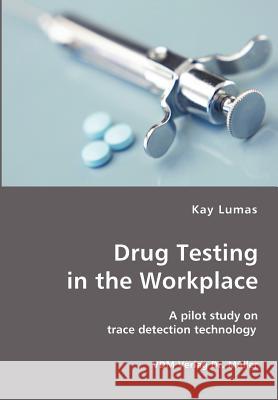
Recognizing that alcohol and drug use in the workplace is a significant socialand economic problem, various forms of drug testing have been branded asthe solutions to a safer and more productive work environment. In thisdetermined drive to find a userfriendly and accurate substance use detectionstrategy, a variety of drug testing procedures have been developed and usedwith varying consistently across industry groups. One such method, tracedetection technology, however, has been employed in spite of the paucity ofempirical evidence to validate its use as a stand-alone screening system fordrug detection. Furthermore, research on the impact of false positive resultsof trace detection technology is extremely limited amidst a climate in manylocales in which it is regularly used. With trace detection technology beingused extensively in both the private and public sectors for drug screeningpurposes, the objectives of this research were twofold: To examine theefficacy of trace detection technology as a stand alone method of drugtesting by exploring the lived experiences of commercial truck drivers whohave experienced false-positive drug test results firsthand; and to explore theemotional and physical impact of false-positive test results generated by thistechnology on the individual commercial truck driver. The results from thisresearch have broad implications for general workforces subject to periodic orscheduled drug screening, for law enforcement professionals who rely on adetection strategy that can produce false positive outcomes, for the legalcommunity seeking understanding of this technology application, and forsocial science professionals who seek to pursue a provocative research topic.




Czytaj nas na:
KrainaKsiazek.PL - Księgarnia Internetowa


