Die Ersten Im Kreis: Herrschaftsstrukturen Und Generationen in Der sed (1946-1971) » książka





Die Ersten Im Kreis: Herrschaftsstrukturen Und Generationen in Der sed (1946-1971)
ISBN-13: 9783847106609 / Niemiecki / Miękka / 2017 / 261 str.
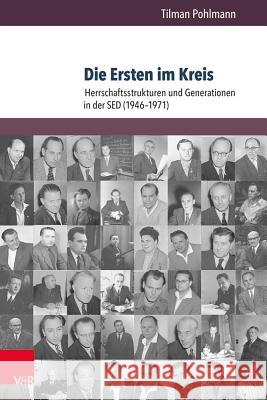
English summary: The stability of political order during the Ulbricht era was predominantly based on the skilful way the Socialist Unity Party (SED) linked their ideological work with organisational structures and personnel policies. Ironically, the long lines and break after the epochal caesura of 1945 proved, at the district level, to be stabilising. This thesis is represented by Tilman Pohlmann in his study on the first secretaries of the SED's district head offices. They personified and organised the state socialist ruling system within the lower ranks of the GDR society and implemented the dictatorial demands of the party leadership into local political practice. For the first time ever, the generational profile and the structural internal order of the SED are now being examined integrally at the district level from an experiential- and institutional-historical perspective. German description: Die Stabilitat der politischen Ordnung in der Ulbricht-Ara fusste vor allem auf einer geschickten Verbindung aus organisationsstruktureller und personalpolitischer Parteiarbeit der SED. Dabei erwiesen sich auf Kreisebene paradoxerweise gerade die langen Linien und Bruche jenseits der Epochenzasur von 1945 als stabilisierend. Diese These vertritt Tilman Pohlmann in seiner Studie uber die 1. Sekretare der SED-Kreisleitungen. Sie personifizierten und organisierten das staatssozialistische Herrschaftssystem auf den unteren Rangen der DDR-Gesellschaft und setzten die diktatorischen Anspruche der Parteifuhrung in die lokale politische Praxis um. Erstmals werden das generationelle Profil und die strukturelle Binnenordnung der SED auf Kreisebene in erfahrungs- und institutionsgeschichtlicher Perspektive integral untersucht.




Czytaj nas na:
KrainaKsiazek.PL - Księgarnia Internetowa


