• Wyszukiwanie zaawansowane
  • Kategorie
  • Kategorie BISAC
  • Książki na zamówienie
  • Promocje
  • Granty
  • Książka na prezent
  • Opinie
  • Pomoc
  • Załóż konto
  • Zaloguj się

Developing Multilingual Writing: Agency, Audience, Identity » książka


zaloguj się | załóż konto
Logo Krainaksiazek.pl

koszyk

konto

szukaj
topmenu
Księgarnia internetowa
Szukaj
Książki na zamówienie
Promocje
Granty
Książka na prezent
Moje konto
Pomoc
 
 
Wyszukiwanie zaawansowane
Pusty koszyk
Bezpłatna dostawa dla zamówień powyżej 20 złBezpłatna dostawa dla zamówień powyżej 20 zł

Kategorie główne

• Nauka
 [2950560]
• Literatura piękna
 [1849509]

  więcej...
• Turystyka
 [71097]
• Informatyka
 [151150]
• Komiksy
 [35848]
• Encyklopedie
 [23178]
• Dziecięca
 [617388]
• Hobby
 [139064]
• AudioBooki
 [1657]
• Literatura faktu
 [228597]
• Muzyka CD
 [383]
• Słowniki
 [2855]
• Inne
 [445295]
• Kalendarze
 [1464]
• Podręczniki
 [167547]
• Poradniki
 [480102]
• Religia
 [510749]
• Czasopisma
 [516]
• Sport
 [61293]
• Sztuka
 [243352]
• CD, DVD, Video
 [3414]
• Technologie
 [219456]
• Zdrowie
 [101002]
• Książkowe Klimaty
 [124]
• Zabawki
 [2311]
• Puzzle, gry
 [3459]
• Literatura w języku ukraińskim
 [254]
• Art. papiernicze i szkolne
 [8079]
Kategorie szczegółowe BISAC

Developing Multilingual Writing: Agency, Audience, Identity

ISBN-13: 9783031120442 / Angielski / Twarda / 2023 / 360 str.
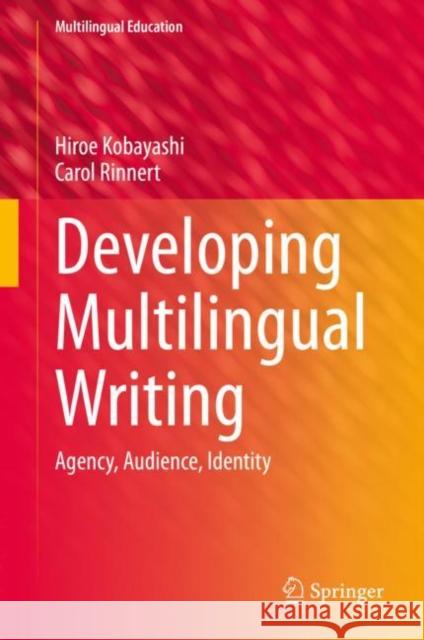
Hiroe Kobayashi; Carol Rinnert
Developing Multilingual Writing: Agency, Audience, Identity Hiroe Kobayashi Carol Rinnert 9783031120442 Springer - książkaWidoczna okładka, to zdjęcie poglądowe, a rzeczywista szata graficzna może różnić się od prezentowanej.

Developing Multilingual Writing: Agency, Audience, Identity

ISBN-13: 9783031120442 / Angielski / Twarda / 2023 / 360 str.

Hiroe Kobayashi; Carol Rinnert
cena 603,81
(netto: 575,06 VAT:  5%)

Najniższa cena z 30 dni: 539,74
Termin realizacji zamówienia:
ok. 22 dni roboczych
Dostawa w 2026 r.

Darmowa dostawa!
inne wydania

With millions of people becoming multilingual writers in the globalized digital world, this book helps to empower writers to connect with their readers and project their identities effectively across languages, social contexts, and genres. In a series of closely-related studies that build on each other, we look comprehensively at how writers develop their ability to construct meaning for different audiences in multiple languages. This book, which draws on various approaches (including a social view of writing, multicompetence, adaptive transfer, complex systems theory, motivation, and translanguaging), contributes to on-going efforts to integrate differing approaches to multilingual writing research. This book focusses on how writeragency(control over text construction),audienceawareness (ability to meet expectations of prospective readers), and writeridentity(projection of image of the writer in the text) progress as multilingual writers gain more experience across languages.The within-writer, cross-sectional text analysis (Chapters 2-5) examines 185 essays written in Japanese and English by eight groups of writers from novice to advanced (N=103), supplemented by insights from these writers’ reflections. We explore how they employ three kinds of text features (discourse types, metadiscourse, and self-representation),which relate to their developingagency, audience, andwriter identityin their text construction, and propose a new model for writer voice construction based on those features. The four case studies (Chapters 6-9) focus on five university students and six professionals to examine closely how individual writers’agency, audience, and identityare interrelated in their text construction in two or three languages and diverse genres, including academic and creative writing. The combined studies provide new insights into multilingual writing development by revealing the close interrelationship among these three principal aspects of writing across languages. They also demonstrate the writers’ multi-directional use of dynamic transfer (reuse and reshaping) for L1, L2, and L3 text construction, and the use of mixed languages L1/L2 or L1/L3 (translanguaging) for composing processes, in addition to the creative power of multilingual writers.One significant contribution of this book is to provide models of innovative ways to analyze text and new directions for writing research that go beyond complexity, accuracy, and fluency. Categories and detailed examples of text features used for writer voice construction (e.g., specific characteristics ofPersonal,Emergent, andMatureVoice) are helpful for writing teachers and for developing writers to improve ways of conveying their own intended writer identity to the reader. The studies break new ground by extending our analysis of L2 writing to the same writers’ L1 and L3 writing and multiple genres.


With millions of people becoming multilingual writers in the globalized digital world, this book helps to empower writers to connect with their readers and project their identities effectively across languages, social contexts, and genres. In a series of closely-related studies that build on each other, we look comprehensively at how writers develop their ability to construct meaning for different audiences in multiple languages. This book, which draws on various approaches (including a social view of writing, multicompetence, adaptive transfer, complex systems theory, motivation, and translanguaging), contributes to on-going efforts to integrate differing approaches to multilingual writing research. This book focusses on how writer agency (control over text construction), audience awareness (ability to meet expectations of prospective readers), and writer identity (projection of image of the writer in the text) progress as multilingual writers gain more experience across languages.The within-writer, cross-sectional text analysis (Chapters 2-5) examines 185 essays written in Japanese and English by eight groups of writers from novice to advanced (N=103), supplemented by insights from these writers’ reflections. We explore how they employ three kinds of text features (discourse types, metadiscourse, and self-representation), which relate to their developing agency, audience, and writer identity in their text construction, and propose a new model for writer voice construction based on those features. The four case studies (Chapters 6-9) focus on five university students and six professionals to examine closely how individual writers’ agency, audience, and identity are interrelated in their text construction in two or three languages and diverse genres, including academic and creative writing. The combined studies provide new insights into multilingual writing development by revealing the close interrelationship among these three principal aspects of writing across languages. They also demonstrate the writers’ multi-directional use of dynamic transfer (reuse and reshaping) for L1, L2, and L3 text construction, and the use of mixed languages L1/L2 or L1/L3 (translanguaging) for composing processes, in addition to the creative power of multilingual writers.One significant contribution of this book is to provide models of innovative ways to analyze text and new directions for writing research that go beyond complexity, accuracy, and fluency. Categories and detailed examples of text features used for writer voice construction (e.g., specific characteristics of Personal, Emergent, and Mature Voice) are helpful for writing teachers and for developing writers to improve ways of conveying their own intended writer identity to the reader. The studies break new ground by extending our analysis of L2 writing to the same writers’ L1 and L3 writing and multiple genres.   

Kategorie:
Podręczniki
Kategorie BISAC:
Education > Language Experience Approach
Study Aids > Study & Test-Taking Skills
Education > Teaching - Subjects - Reading & Phonics
Wydawca:
Springer
Seria wydawnicza:
Multilingual Education
Język:
Angielski
ISBN-13:
9783031120442
Rok wydania:
2023
Dostępne języki:
Ilość stron:
360
Waga:
0.80 kg
Wymiary:
23.5 x 15.5
Oprawa:
Twarda

Chapter Outline

Chapter 1  Introduction

Part I     Development of multilingual writing

Chapter 2  Evolving writer agency: Discourse types

Chapter 3  Connecting with the audience: Metadiscourse

Chapter 4  Constructing writer identity: Self-representation 

Chapter 5  Developing writer identity: Voice construction

Part II   Interconnectedness of agency, audience and identity

Chapter 6  Natsu’s challenges: Text construction and identities

Chapter 7  L1/L2/L3 writers’ advantages: Text and process

Chapter 8  Multilingual scholars: Audience and expertise

Chapter 9  Multilingual artist and poet: Unbounded self-expression

Part III Synthesis and Implications

Chapter 10  Integration, Theoretical Perspectives, Pedagogical Applications


​Hiroe Kobayashi (Ed.D., Teachers College, Columbia University), Professor Emeritus, Hiroshima University, taught advanced English writing and pragmatics in Japan, and ESL in New York and the Philippines. She has published numerous articles in international journals including Language Learning, Journal of Second Language Writing, and Modern Language Journal, co-authored with Carol Rinnert, two of which won awards for best JSLW article of the year.

Carol Rinnert (Ph.D., SUNY/Buffalo), Professor Emeritus, Hiroshima City University, taught EFL/ESL, English writing, and linguistics in the US, Yemen (as senior Fulbright lecturer), and Japan. She has published numerous book chapters and articles, co-authored with Hiroe Kobayashi, in international journals including Language Learning, Journal of Second Language Writing, Modern Language Journal, and Journal of Pragmatics.

With millions of people becoming multilingual writers in the globalized digital world, this book helps to empower writers to connect with their readers and project their identities effectively across languages, social contexts, and genres. In a series of closely-related studies that build on each other, we look comprehensively at how writers develop their ability to construct meaning for different audiences in multiple languages. This book, which draws on various approaches (including a social view of writing, multicompetence, adaptive transfer, complex systems theory, motivation, and translanguaging), contributes to on-going efforts to integrate differing approaches to multilingual writing research. This book focusses on how writer agency (control over text construction), audience awareness (ability to meet expectations of prospective readers), and writer identity (projection of image of the writer in the text) progress as multilingual writers gain more experience across languages.


The within-writer, cross-sectional text analysis (Chapters 2-5) examines 185 essays written in Japanese and English by eight groups of writers from novice to advanced (N=103), supplemented by insights from these writers’ reflections. We explore how they employ three kinds of text features (discourse types, metadiscourse, and self-representation), which relate to their developing agency, audience, and writer identity in their text construction, and propose a new model for writer voice construction based on those features. The four case studies (Chapters 6-9) focus on five university students and six professionals to examine closely how individual writers’ agency, audience, and identity are interrelated in their text construction in two or three languages and diverse genres, including academic and creative writing. The combined studies provide new insights into multilingual writing development by revealing the close interrelationship among these three principal aspects of writing across languages. They also demonstrate the writers’ multi-directional use of dynamic transfer (reuse and reshaping) for L1, L2, and L3 text construction, and the use of mixed languages L1/L2 or L1/L3 (translanguaging) for composing processes, in addition to the creative power of multilingual writers.

One significant contribution of this book is to provide models of innovative ways to analyze text and new directions for writing research that go beyond complexity, accuracy, and fluency. Categories and detailed examples of text features used for writer voice construction (e.g., specific characteristics of Personal, Emergent, and Mature Voice) are helpful for writing teachers and for developing writers to improve ways of conveying their own intended writer identity to the reader. The studies break new ground by extending our analysis of L2 writing to the same writers’ L1 and L3 writing and multiple genres.   



Udostępnij

Facebook - konto krainaksiazek.pl


Opinie o Krainaksiazek.pl na Opineo.pl

Partner Mybenefit

Krainaksiazek.pl w programie rzetelna firma Krainaksiaze.pl - płatności przez paypal

Czytaj nas na:

Facebook - krainaksiazek.pl
  • książki na zamówienie
  • granty
  • książka na prezent
  • kontakt
  • pomoc
  • opinie
  • regulamin
  • polityka prywatności

Zobacz:

  • Księgarnia czeska

  • Wydawnictwo Książkowe Klimaty

1997-2025 DolnySlask.com Agencja Internetowa

© 1997-2022 krainaksiazek.pl
     
KONTAKT | REGULAMIN | POLITYKA PRYWATNOŚCI | USTAWIENIA PRYWATNOŚCI
Zobacz: Księgarnia Czeska | Wydawnictwo Książkowe Klimaty | Mapa strony | Lista autorów
KrainaKsiazek.PL - Księgarnia Internetowa

Polityka prywatnosci - link
Krainaksiazek.pl - płatnośc Przelewy24
Przechowalnia Przechowalnia




