• Wyszukiwanie zaawansowane
  • Kategorie
  • Kategorie BISAC
  • Książki na zamówienie
  • Promocje
  • Granty
  • Książka na prezent
  • Opinie
  • Pomoc
  • Załóż konto
  • Zaloguj się

Contemporary Nephrology: Volume 1 » książka


zaloguj się | załóż konto
Logo Krainaksiazek.pl

koszyk

konto

szukaj
topmenu
Księgarnia internetowa
Szukaj
Książki na zamówienie
Promocje
Granty
Książka na prezent
Moje konto
Pomoc
 
 
Wyszukiwanie zaawansowane
Pusty koszyk
Bezpłatna dostawa dla zamówień powyżej 20 złBezpłatna dostawa dla zamówień powyżej 20 zł

Kategorie główne

• Nauka
 [2946912]
• Literatura piękna
 [1852311]

  więcej...
• Turystyka
 [71421]
• Informatyka
 [150889]
• Komiksy
 [35717]
• Encyklopedie
 [23177]
• Dziecięca
 [617324]
• Hobby
 [138808]
• AudioBooki
 [1671]
• Literatura faktu
 [228371]
• Muzyka CD
 [400]
• Słowniki
 [2841]
• Inne
 [445428]
• Kalendarze
 [1545]
• Podręczniki
 [166819]
• Poradniki
 [480180]
• Religia
 [510412]
• Czasopisma
 [525]
• Sport
 [61271]
• Sztuka
 [242929]
• CD, DVD, Video
 [3371]
• Technologie
 [219258]
• Zdrowie
 [100961]
• Książkowe Klimaty
 [124]
• Zabawki
 [2341]
• Puzzle, gry
 [3766]
• Literatura w języku ukraińskim
 [255]
• Art. papiernicze i szkolne
 [7810]
Kategorie szczegółowe BISAC

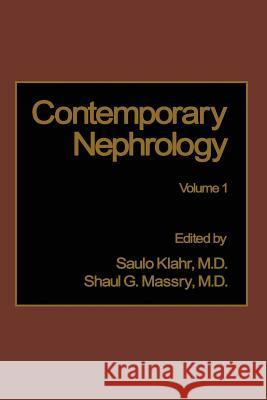
Contemporary Nephrology: Volume 1

ISBN-13: 9781461567219 / Angielski / Miękka / 2012 / 715 str.
Saulo Klahr; Shaul G. Massry
Contemporary Nephrology: Volume 1 Klahr, Saulo 9781461567219 Springer - książkaWidoczna okładka, to zdjęcie poglądowe, a rzeczywista szata graficzna może różnić się od prezentowanej.

Contemporary Nephrology: Volume 1

ISBN-13: 9781461567219 / Angielski / Miękka / 2012 / 715 str.

Saulo Klahr; Shaul G. Massry
cena 200,77
(netto: 191,21 VAT:  5%)

Najniższa cena z 30 dni: 192,74
Termin realizacji zamówienia:
ok. 22 dni roboczych
Dostawa w 2026 r.

Darmowa dostawa!

This volume is the first of a biannual series entitled Contemporary Nephrology. The series intends to provide the reader with a broad, authoritative review of the important developments that have occurred during the previous two years in the major areas of both basic and clinical nephrology. We have been fortunate to enlist a distinguished group of scientists, teachers, and clinicians to serve as members of the Editorial Board of this series. We are grateful to them for the outstand ing contributions they have made to this first volume of Contemporary Nephrology. This volume has fifteen chapters. The first four chapters deal with more basic aspects of nephrology: Membrane Transport (Schafer); Renal Physiology (Knox and Spielman); Renal Metabolism (School werth); and Renal Prostaglandins (Dunn). Chapters 5-10 are more pathophysiologically oriented, and each contains an "appropriate mix" of basic and clinical information. This group of chapters includes Acid-Base Physiology and Pathophysiology (Arruda and Kurtzman); Mineral Metabolism in Health and Disease (Agus, Goldfarb, and Was serstein); Hypertension and the Renin-Angiotensin-Aldosterone Axis (Williams and Hollenberg); Immunologically Mediated Renal Disease (Glassock); Acute Renal Failure and Toxic Nephropathy (Anderson and Gross); and the Kidney in Systemic Disease (Martinez-Maldonado). The last five chapters, which are more clinically oriented, include Uremia (Friedman and Lundin); Nutrition in Renal Disease (Mitch); Dialysis (Maher); Renal Transplantation (Strom); and, finally, Drugs and the Kidney (Bennett).


Kategorie:
Nauka, Medycyna
Kategorie BISAC:
Medical > Nefrologia
Medical > Internal Medicine
Medical > Urologia i medycyna układu moczowo-płciowego
Wydawca:
Springer
Język:
Angielski
ISBN-13:
9781461567219
Rok wydania:
2012
Wydanie:
Softcover Repri
Ilość stron:
715
Waga:
1.06 kg
Wymiary:
22.9 x 15.2
Oprawa:
Miękka
Wolumenów:
01

1 Membrane Transport.- 1. Introduction.- 2. General Aspects of Epithelial Organization Related to Nephron Function.- 2.1. Anatomy of an Epithelial-Cell Layer.- 2.2. Special Features of Epithelial Organization in the Nephron.- 2.3. Examination of Transepithelial Transport Processes.- 3. Correlations between Function and Morphology in the Nephron.- 3.1. New Methods of Morphological Investigation.- 3.2. Characteristics of Junctional Complexes.- 3.3. Cell Shape as an Indication of Transepithelial Transport in the Nephron.- 3.4. Morphological Changes Associated with Alterations in Transport Function.- 4. Isolation, Characterization, and Reconstitution of Membrane Transport Systems.- 4.1. Definition of Terms.- 4.2. Examples of Transport Sites Isolated From Nonrenal Systems.- 4.3. Isolation and Reconstitution of Renal Transport Mechanisms.- 5. Conclusions.- References.- 2 Renal Physiology: Renal Circulation, Glomerular Filtration, and Renal Handling of Sodium, Potassium, and Chloride.- 1. Renal Hemodynamics and Glomerular Filtration Rate.- 1.1. Autoregulation of Renal Blood Flow and Glomerular Filtration Rate.- 1.2. Factors that Influence Renal Hemodynamics.- 1.3. Glomerular Physiology.- 1.4. Intrarenal Blood-Flow Distribution and Measurement of Renal Blood Flow.- 2. Renal Handling of Sodium Chloride.- 2.1. Mechanism of Proximal Reabsorption.- 2.2. Regulation of Proximal Reabsorption.- 2.3. Loop-of-Henle Transport.- 2.4. Collecting-Duct Sodium Reabsorption.- 2.5. Regulation of Sodium Excretion.- 3. Potassium Transport.- References.- 3 Renal Metabolism.- 1. Introduction.- 2. Methodological Considerations.- 3. Biochemistry of the Glomerulus.- 4. Biochemistry of Tubular Membranes.- 4.1. Enzymes of Renal Plasma Membranes.- 5. Intermediary Metabolism and Regulation.- 5.1. Glutamine Metabolism and Ammoniagenesis.- 5.2. Renal Gluconeogenesis.- References.- 4 Renal Prostaglandins.- 1. Introduction.- 2. Prostaglandin Synthesis and Degradation.- 2.1. Whole-Kidney Experiments.- 2.2. Localization of Prostaglandin Synthesis within the Kidney.- 2.3. Stimuli of Renal Prostaglandin Synthesis.- 2.4. Inhibitors of Renal Prostaglandin Synthesis.- 2.5. Prostaglandin Metabolism.- 3. Prostaglandins, Sodium Excretion, and Diuretics.- 3.1. Microperfusion Experiments.- 3.2. Sodium Intake and Prostaglandin Production.- 3.3. Prostaglandins and Diuretics.- 4. Prostaglandins, Vasopressin, and Water Excretion.- 4.1. Effects of Indomethacin on Urine Concentration.- 4.2. Interactions of Vasopressin and Prostaglandins.- 5. Prostaglandins and Renin Release by the Kidney.- 6. Renal Blood Flow.- 6.1. Effects of Prostaglandins and Thromboxane on Renal Blood Flow.- 6.2. Inhibitors of Prostaglandin Synthesis and Renal Blood Flow.- 7. Bartter’s Syndrome.- 8. Ureteral Obstruction.- 9. Deleterious Clinical Effects of Nonsteroidal Antiinflammatory Drugs.- 10. Future Directions.- References.- 5 Acid-Base Physiology and Pathophysiology.- 1. Introduction.- 2. Proximal Tubular Acidification.- 3. Mechanism of Bicarbonate Reabsorption.- 4. Factors that Control Bicarbonate Reabsorption.- 4.1. Chloride.- 4.2. Effect of Volume.- 4.3. Parathyroid Hormone.- 4.4. Na,K-ATPase.- 4.5. Chronic Renal Failure.- 5. Effect of Calcium on Urinary Acidification.- 6. Role of Vitamin D in Urinary Acidification.- 7. Effects of Pharmacological Agents on Bicarbonate Transport.- 7.1. Disulfonic Stilbenes.- 7.2. Lysine.- 7.3. Maleic Acid.- 7.4. Thyroid Hormone.- 8. Proximal Renal Tubular Acidosis.- 9. Hyperparathyroidism and Proximal Renal Tubular Acidosis.- 10. Distal Urinary Acidification.- 11. Studies in the Turtle Bladder.- 12. Effect of in Vivo Acid-Base Status on in Vitro Acidification.- 13. Metabolic Regulation of Urinary Acidification.- 14. Effect of Aldosterone on Urinary Acidification.- 15. Bicarbonate Exit.- 16. Role of Calcium, Magnesium, and Cyclic AMP in Acidification.- 17. Comparative Physiology of the Turtle Bladder and Mammalian Cortical Collecting Tubule.- 18. Distal Renal Tubular Acidosis Syndromes.- 18.1. Background.- 18.2. Theories of Pathogenesis.- 19. Factors Responsible for Generation of a High Urinary CO2 Tension.- 20. Experimental Models of Distal Renal Tubular Acidosis.- 21. Human Distal Renal Tubular Acidosis.- 22. Role of Potassium Depletion in Acid-Base Homeostasis.- 23. Other Forms of Impaired Distal Acidification.- 24. Extrarenal Factors that Influence Acid-Base Homeostasis.- 25. The Role of the Gut in the Pathogenesis of the Hyperchloremic Acidosis of Ureterointestinal Anastomosis.- References.- 6 Mineral Metabolism in Health and Disease.- 1. Vitamin D.- 1.1. Metabolism.- 1.2. Actions of Vitamin D and Metabolites.- 2. Parathyroid Hormone and Calcitonin.- 2.1. Metabolism of Parathyroid Hormone.- 2.2. Renal Effects of Parathyroid Hormone.- 2.3. Calcitonin.- 3. Calcium Physiology and Pathophysiology.- 3.1. State of Calcium in Body Fluids.- 3.2. Renal Handling of Calcium.- 3.3. Hypercalcemia.- 3.4. Hypocalcemia.- 4. Phosphate Physiology and Pathophysiology.- 4.1. Gastrointestinal Absorption of Phosphate.- 4.2. Renal Handling of Phosphate.- 4.3. Hypophosphatemia.- 4.4. Hyperphosphatemia.- 5. Renal Osteodystrophy.- 5.1. Clinical Characteristics.- 5.2. Pathogenesis.- 5.3. Therapy of Renal Osteodystrophy with Vitamin D Metabolites.- 5.4. Parathyroid Hormone as a Uremic Toxin.- 6. Nephrolithiasis.- 6.1. Calcium Stones.- 6.2. Uric-Acid Stones.- 6.3. Triple-Phosphate Stones.- 6.4. Miscellaneous.- References.- 7 Hypertension and the Renin-Angiotensin-Aldosterone Axis.- 1. Introduction.- 1.1. Volume and Hypertension.- 1.2. Release of Vasoconstrictors.- 1.3. Release of Vasodilators.- 2. Physiology and Pharmacology.- 2.1. Sodium and Potassium Homeostasis and the Role of the Renin-Angiotensin-Aldosterone Axis.- 2.2. Pharmacological Interruption of the Renin-Angiotensin System.- 2.3. Renin.- 2.4. Angiotensins.- 3. Hypertension.- 3.1. Pathophysiology of Renin Alterations in Hypertension.- 3.2. Renin as a Prognostic Indicator.- 3.3. Role of Renin in Patient Management.- 3.4. Diagnostic Considerations.- 3.5. Therapeutic Considerations.- References.- 8 Immunologically Mediated Renal Disease.- 1. Introduction.- 2. Basic Investigations.- 2.1. Glomerulonephritis.- 2.2. Tubulointerstitial Nephritis.- 3. Clinical Investigations.- 3.1. Serological Studies in Glomerular Disease.- 3.2. Immunopathology of Glomerular and Tubulointerstitial Diseases.- 3.3. Treatment of Immunologically Mediated Renal Disease.- References.- 9 Acute Renal Failure and Toxic Nephropathy.- 1. Introduction.- 2. Pathophysiological Considerations.- 2.1. Vascular Events in Acute Renal Failure.- 2.2. Tubular Events in Experimental Acute Renal Failure.- 2.3. Prophylactic Maneuvers in Experimental Acute Renal Failure.- 3. Clinical Considerations.- 3.1. Diagnosis of Acute Renal Failure.- 3.2. Clinical Course of Acute Renal Failure.- 3.3. Therapy of Acute Renal Failure.- 4. Summary and Conclusion.- References.- 10 The Kidney in Systemic Disease: Pathophysiological Schemes and Analysis of Two Diseases (Multiple Myeloma and Diabetes Mellitus).- 1. Introduction.- 2. Reduction in Glomerular Filtration Rate in Systemic Illness.- 2.1. Contraction of Extracellular Fluid Volume.- 2.2. Alterations in Plasma Proteins.- 2.3. Changes in Circulating Hormones.- 2.4. Changes in Glomerular Anatomy.- 2.5. Tubular Obstruction.- 3. Alterations in Proximal-Tubular Function.- 3.1. Idiopathic Proximal-Tubular Dysfunction.- 3.2. Proximal-Tubular Dysfunction Secondary to Exogenous Toxins.- 3.3. Proximal-Tubular Dysfunction Secondary to Endogenous Toxins.- 3.4. Vascular and Interstitial Disease.- 4. Other Consequences of Proximal-Tubular Defects.- 5. Diminished Salt Transport in the Thick Ascending Limb of the Loop of Henle.- 5.1. Diseases Associated with Interstitial Damage.- 5.2. Diminished Distal Delivery (Reduced Glomerular Filtration Rate).- 5.3. Hormone Deficiencies.- 5.4. Alterations in Medullary Blood Flow.- 5.5. Changes in the Normal Tubular Response to Antidiuretic Hormone and Aldosterone.- 6. Multiple Myeloma.- 6.1. Reduced Glomerular Filtration Rate.- 6.2. Alterations in Proximal-Tubular Function.- 6.3. Diminished Transport in the Thick Ascending Limb: Hypercalcemia in Multiple Myeloma.- 6.4. Altered Medullary Blood Flow.- 7. Diabetes Mellitus.- 7.1. Changes in Glomerular Filtration Rate.- 7.2. Alterations in Proximal-Tubular Function.- References.- 11 Uremia.- 1. Introduction.- 2. Uremic Toxicity.- 3. Uremic Osteodystrophy.- 4. Cardiovascular Complications.- 5. Anemia.- 6. Disturbances of the Gastrointestinal Tract.- 7. Hormonal and Lipid Abnormalities.- 8. Immune Defects of Uremia.- 9. Psychological Impact of Renal Failure.- 10. Alternative Therapy of Uremia.- References.- 12 Nutrition in Renal Disease.- 1. Introduction.- 2. Nitrogen Metabolism.- 2.1. Dietary Protein Requirement of Nondialysis Patients.- 2.2. Dietary Protein Requirement of Dialysis Patients.- 3. Glucose and Insulin Metabolism.- 3.1. Glucose Intolerance.- 3.2. Insulin Metabolism.- 4. Lipid Metabolism.- 5. Therapeutic Considerations.- 5.1. Introduction.- 5.2. Proteins and Amino Acids.- 5.3. Vitamins and Trace Metals.- 5.4. Diets for Hypertriglyceridemia.- 6. Chronic Renal Failure in Children.- 7. Acute Renal Failure.- References.- 13 Dialysis.- 1. Introduction.- 2. Overview.- 3. Vascular Access.- 3.1. Extracorporeal Thrombogenesis.- 4. Extracorporeal Devices.- 4.1. Dialyzer Design.- 4.2. Membranes.- 4.3. Dialysate.- 4.4. Dialysis Prescription.- 4.5. Dialyzer Reuse.- 4.6. Hemofiltration.- 4.7. Hemodiafiltration.- 4.8. Hemoperfusion.- 5. Peritoneal Dialysis.- 5.1. Determinants of Peritoneal Transfer Rates.- 5.2. Effects of Drugs on Peritoneal Transport Rates.- 5.3. Continuous Ambulatory Peritoneal Dialysis.- 5.4. Complications of Peritoneal Dialysis.- 5.5. Peritoneal Dialysis for Diabetic Nephropathy.- 6. Problems and Complications of Dialysis.- 6.1. Cardiovascular and Hemodynamic Complications.- 6.2. Effects of Dialysis on Respiration.- 6.3. Neurological Dysfunction.- 6.4. Nutrition.- 6.5. Metabolic Changes Related to Dialysis.- 6.6. Renal Osteodystrophy.- 6.7. Trace-Metal Abnormalities.- 6.8. Iron Deficiency.- 6.9. Infectious Complications.- 6.10. Hepatitis.- 6.11. Absorbed Toxins.- 7. Removal of Drugs and Poisons by Dialysis or Hemoperfusion.- 8. Unusual Indications for Dialysis or Hemoperfusion.- 8.1. Hepatic Failure.- 8.2. Psoriasis.- 8.3. Schizophrenia.- 8.4. Miscellaneous Indications.- References.- 14 Renal Transplantation.- 1. Clinical Transplantation.- 1.1. Therapeutic Trials.- 1.2. Complications of Transplantation.- 1.3. Pretransplant Blood Transfusion.- 2. Clinical Immunology.- 2.1. HLA-D and -DR Typing.- 2.2. Detection and Significance of Pretransplant Sensitization.- 2.3. Immunological Monitoring of the Transplant Recipient.- 3. Conclusion.- References.- 15 Drugs and the Kidney.- 1. Introduction.- 2. Basic Pharmacokinetics.- 2.1. Absorption of Drugs in Patients with Renal Disease.- 2.2. Bioavailability and First-Pass Metabolism.- 2.3. Drug Distribution and the Effects of Renal Disease.- 2.4. Binding of Drugs to Plasma Proteins in Renal Disease.- 2.5. Drug Biotransformation.- 2.6. Drug Metabolites.- 2.7. Drug Elimination in Renal Failure.- 3. Drug Handling by the Kidney.- 3.1. Glomerular Filtration.- 3.2. Tubular Drug Transport.- 3.3. Changes in Drug Handling with Age.- 4. Clinical Use of Drugs in Renal Failure.- 4.1. Methods of Prescribing.- 4.2. Aspects of Specific Drugs in Patients with Renal Failure.- 5. Effects of Hemodialysis, Hemoperfusion, and Peritoneal Dialysis on Drug Pharmacokinetics.- 5.1. Hemodialysis.- 5.2. Hemoperfusion.- 5.3. Peritoneal Dialysis.- References.


Udostępnij

Facebook - konto krainaksiazek.pl


Opinie o Krainaksiazek.pl na Opineo.pl

Partner Mybenefit

Krainaksiazek.pl w programie rzetelna firma Krainaksiaze.pl - płatności przez paypal

Czytaj nas na:

Facebook - krainaksiazek.pl
  • książki na zamówienie
  • granty
  • książka na prezent
  • kontakt
  • pomoc
  • opinie
  • regulamin
  • polityka prywatności

Zobacz:

  • Księgarnia czeska

  • Wydawnictwo Książkowe Klimaty

1997-2025 DolnySlask.com Agencja Internetowa

© 1997-2022 krainaksiazek.pl
     
KONTAKT | REGULAMIN | POLITYKA PRYWATNOŚCI | USTAWIENIA PRYWATNOŚCI
Zobacz: Księgarnia Czeska | Wydawnictwo Książkowe Klimaty | Mapa strony | Lista autorów
KrainaKsiazek.PL - Księgarnia Internetowa

Polityka prywatnosci - link
Krainaksiazek.pl - płatnośc Przelewy24
Przechowalnia Przechowalnia





