Contemporary Leadership Theories: Enhancing the Understanding of the Complexity, Subjectivity and Dynamic of Leadership » książka





Contemporary Leadership Theories: Enhancing the Understanding of the Complexity, Subjectivity and Dynamic of Leadership
ISBN-13: 9783790821574 / Angielski / Twarda / 2009 / 107 str.
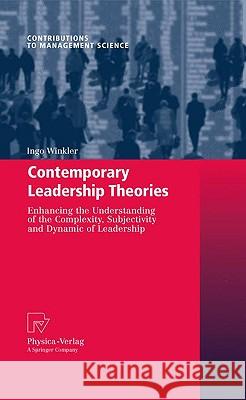
Contemporary Leadership Theories: Enhancing the Understanding of the Complexity, Subjectivity and Dynamic of Leadership
ISBN-13: 9783790821574 / Angielski / Twarda / 2009 / 107 str.
(netto: 536,72 VAT: 5%)
Najniższa cena z 30 dni: 539,74
ok. 22 dni roboczych
Bez gwarancji dostawy przed świętami
Darmowa dostawa!
Asisthecasewithmostbooks, thisbookalsotooksometimetoevolve. Withthe ?rstideasaboutwritingitbeginningin2004, itwasaratherlongandbusyprocess. However, itwasalsoaprocessfullofacquiringnewknowledge, discussingtopics withinterestingpeople, gainingpersonalinsights, and?nallyresultinginpersonal development. Particularly, IwouldliketothankRainhartLang, whocontributedto myunderstandingofleadershipandtheorybyprovidingmanysuggestionsandalot ofadvice. Furthermore, IwouldliketothankthestudentsatChemnitzUniversityof Technologywhopatientlytookpartinmycoursesoncontemporaryleadership theory. FromthemIlearnedhownewcomerstothesubjectunderstandwhatIhave writteninselectedchaptersandwhatshouldbeconsequentlyamended. Additi- ally, ElisabethSchumannandJuliaHeiberdidagreatjobwithproofreadingthe bookandadvancingtheleveloflanguage. AsEnglishisnotmy?rstlanguageitwas sometimesnecessarytoremindmethatexpressingsomethinginEnglishisrather differentfromtellingitinGerman. Finally, Iamalsogratefultothepeopleat Springer, whohelpedmepublishingthisbook. v Contents 1 AimsandOutlineoftheBook . . . . . . . . . . . . . . . . . . . . . . . . . . . . . . . . . . . . . . . . . . . . . . 1 2 CharacteristicsofContemporaryTheoreticalApproaches inLeadershipResearch. . . . . . . . . . . . . . . . . . . . . . . . . . . . . . . . . . . . . . . . . . . . . . . . . . . . . . 5 3 AttributionTheoryinLeadershipResearch. . . . . . . . . . . . . . . . . . . . . . . . . . . . . . . 9 IntroductionandBackground. . . . . . . . . . . . . . . . . . . . . . . . . . . . . . . . . . . . . . . . . . . . . . . . . 9 LeadershipasAttributedQuality . . . . . . . . . . . . . . . . . . . . . . . . . . . . . . . . . . . . . . . . . . . . 10 Leader sAttributionsBasedonObservedBehavior . . . . . . . . . . . . . . . . . . . . . . . . 15 StageofDiagnosis . . . . . . . . . . . . . . . . . . . . . . . . . . . . . . . . . . . . . . . . . . . . . . . . . . . . . . . . 16 StageofDecision. . . . . . . . . . . . . . . . . . . . . . . . . . . . . . . . . . . . . . . . . . . . . . . . . . . . . . . . . . 19 AnInteractiveModeloftheLeader/MemberAttributionProcess. . . . . . . . . . 20 SelectedProsandCons . . . . . . . . . . . . . . . . . . . . . . . . . . . . . . . . . . . . . . . . . . . . . . . . . . . . . . 22 4 PsychodynamicLeadershipApproach . . . . . . . . . . . . . . . . . . . . . . . . . . . . . . . . . . . . 23 IntroductionandBackground. . . . . . . . . . . . . . . . . . . . . . . . . . . . . . . . . . . . . . . . . . . . . . . . 23 BasicConcepts. . . . . . . . . . . . . . . . . . . . . . . . . . . . . . . . . . . . . . . . . . . . . . . . . . . . . . . . . . . . . . . 23 FamilyofOrigin . . . . . . . . . . . . . . . . . . . . . . . . . . . . . . . . . . . . . . . . . . . . . . . . . . . . . . . . . . 24 ProcessofMaturationandIndividualization . . . . . . . . . . . . . . . . . . . . . . . . . . . . . 24 DependenceandIndependence . . . . . . . . . . . . . . . . . . . . . . . . . . . . . . . . . . . . . . . . . . . 25 Regression. . . . . . . . . . . . . . . . . . . . . . . . . . . . . . . . . . . . . . . . . . . . . . . . . . . . . . . . . . . . . . . . . 25 SuppressionandShadowoftheEgo. . . . . . . . . . . . . . . . . . . . . . . . . . . . . . . . . . . . . . 25 Identi?cationandtheEmergenceofLeadership . . . . . . . . . . . . . . . . . . . . . . . . . . . . 26 AnalysisofLeadershipRelations. . . . . . . . . . . . . . . . . . . . . . . . . . . . . . . . . . . . . . . . . . . . 27 TypesofLeaders. . . . . . . . . . . . . . . . . . . . . . . . . . . . . . . . . . . . . . . . . . . . . . . . . . . . . . . . . . . . . 28 SelectedProsandCons . . . . . . . . . . . . . . . . . . . . . . . . . . . . . . . . . . . . . . . . . . . . . . . . . . . . . . 30 5 NeocharismaticLeadership . . . . . . . . . . . . . . . . . . . . . . . . . . . . . . . . . . . . . . . . . . . . . . . . 31 IntroductionandBackground. . . . . . . . . . . . . . . . . . . . . . . . . . . . . . . . . . . . . . . . . . . . . . . . 31 MaxWeber: CharismaandLegitimatedAuthority. . . . . . . . . . . . . . . . . . . . . . . . . . 32 CharismaticLeadership . . . . . . . . . . . . . . . . . . . . . . . . . . . . . . . . . . . . . . . . . . . . . . . . . . . . . . 32 vii viii Contents TheEarlyConcept . . . . . . . . . . . . . . . . . . . . . . . . . . . . . . . . . . . . . . . . . . . . . . . . . . . . . . . . 32 CharismaasAttribution. . . . . . . . . . . . . . . . . . . . . . . . . . . . . . . . . . . . . . . . . . . . . . . . . . . 33 Self-Concept-BasedTheoryofCharisma. . . . . . . . . . . . . . . . . . . . . . . . . . . . . . . . . 34 CharismaasFire . . . . . . . . . . . . . . . . . . . . . . . . . . . . . . . . . . . . . . . . . . . . . . . . . . . . . . . . . . 34 Value-BasedLeadership . . . . . . . . . . . . . . . . . . . . . . . . . . . . . . . . . . . . . . . . . . . . . . . . . . 36 BacktotheFollowers. . . . . . . . . . . . . . . . . . . . . . . . . . . . . . . . . . . . . . . . . . . . . . . . . . . . . 36 TheGLOBEResearchProgram . . . . . . . . . . . . . . . . . . . . . . . . . . . . . . . . . . . . . . . . . . 37 TransformationalLeadership . . . . . . . . . . . . . . . . . . . . . . . . . . . . . . . . . . . . . . . . . . . . . . . . 40 FactorsofTransformationalLeadership. . . . . . . . . . . . . . . . . . . . . . . . . . . . . . . . . . 41 FactorsofTransactionalLeadership. . . . . . . . . . . . . . . . . . . . . . . . . . . . . . . . . . . . . . 42 Non-leadership . . . . . . . . . . . . . . . . . . . . . . . . . . . . . . . . . . . . . . . . . . . . . . . . . . . . . . . . . . . . 43 SimilaritiesintheApproaches. . . . . . . . . . . . . . . . . . . . . . . . . . . . . . . . . . . . . . . . . . . . 44 SelectedProsandCons . . . . . . . . . . . . . . . . . . . . . . . . . . . . . . . . . . . . . . . . . . . . . . . . . . . . . . 45 6 Leader?memberExchangeTheory . . . . . . . . . . . . . . . . . . . . . . . . . . . . . . . . . . . . . . . . 47 IntroductionandBackground. . . . . . . . . . . . . . . . . . . . . . . . . .




Czytaj nas na:
KrainaKsiazek.PL - Księgarnia Internetowa


